


Posted by Kerrieanne Lischka

Body oiling involves applying oils to the skin to enhance hydration and improve its appearance. It can improve moisture, elasticity, and give a natural glow. This ancient technique is revered in India's Ayurvedic tradition and even mentioned in the Bible. This article explores the benefits, top oils for various skin types, and provides tips on incorporating body oil into your skincare routine.
Key Takeaways
-
Body oiling provides deep hydration and contributes to a radiant, youthful appearance, making it an effective alternative to heavy lotions.
-
Choosing the right body oil for your skin type is essential; oils can cater to various needs, from hydration to a more youthful look.
-
Incorporating body oils into your skincare routine can be simple and rewarding, especially when using techniques like applying immediately after a shower.
Understanding Body Oiling

Body oiling is a skincare technique that involves applying oils to nourish the skin. Unlike heavy lotions, oils provide a lighter and often more effective alternative for moisturizing and caring for the body. The practice of body oiling not only leaves the skin feeling soft and supple but also contributes to a radiant and youthful appearance. Additionally, body oiling hydrates the skin, the body's largest organ. Incorporating body oils into your skincare routine offers the luxury of smoother, healthier skin every day.
Different types of oils are used in body oiling, each with unique properties that cater to various skin needs. From essential oils to carrier oils, the spectrum of choices allows you to tailor your oiling experience to your personal preferences and skin type.
Whether you have dry, oily, or sensitive skin, there's a body oil out there that's perfect for you. Understanding the basics of body oiling and how it complements your skincare regimen is essential.
Key Benefits of Body Oiling
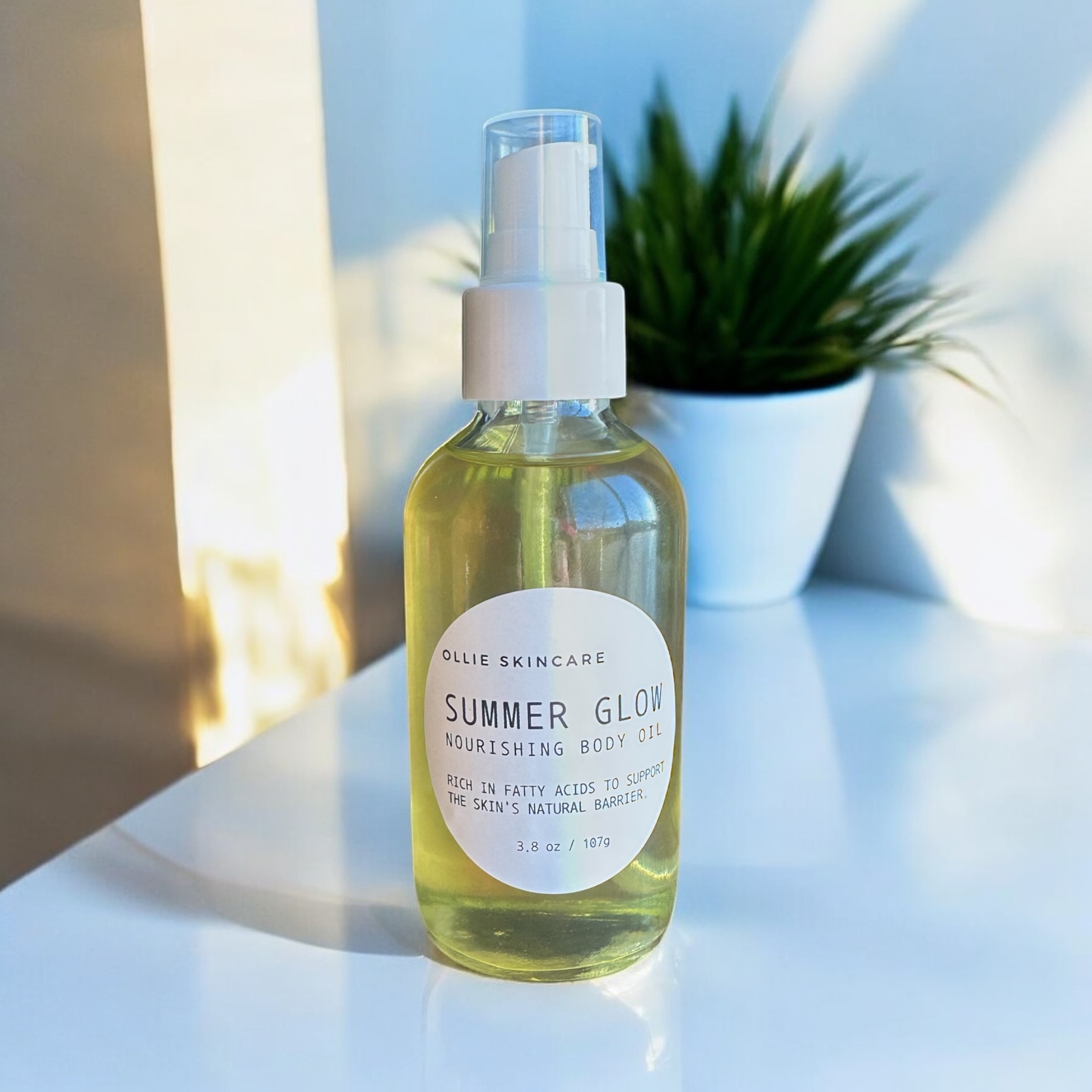
The benefits of body oiling are as vast as they are impressive:
-
Natural body oils contain essential fatty acids that deeply hydrate the skin, leaving it feeling soft, supple, and nourished.
-
This deep hydration provides long-lasting moisture, supporting healthy skin throughout the year.
-
Regular application of body oils can improve skin texture and reduce visible signs of aging, making your skin look younger and more vibrant.
Beyond hydration, body oiling is a lovely moment of self care. The scent of essential oils used in body oiling can make it feel like giving yourself a mini spa treatment every time you practice body oiling, and the slow massage is a relaxing way to end the day.
Whether you're looking to hydrate, glow, or simply relax, whole-body oiling offers a holistic approach to skincare.
Choosing the Right Body Oil for Your Skin Type
Choosing the right body oil is essential to suit your skin type and maximize the benefits. Almost anyone can use body oils, regardless of their skin type, including men who may require extra hydration. For those with dry skin, body oils can lock in moisture and replace the oils that their skin may struggle to produce. Grapeseed oil, with its light feel and high antioxidant content, is particularly beneficial for sensitive skin.
If you have mature skin, consider using thicker oils, such as sweet almond oil, but in smaller amounts to avoid a greasy feel. A base of jojoba oil can enhance skin softness and help skin hold onto moisture, making it an excellent choice for overall younger-looking skin health. Many people worry that body oils will stain their clothes. Still, high-quality oils are specifically designed to penetrate the skin, minimizing this risk and helping to combat dullness while promoting a smooth appearance.
Another common myth is that body oil shouldn't be applied to the face, but with proper selection, it can be suitable for facial use too. Choosing the appropriate oil based on your skin type ensures that your skin stays hydrated, soft, and youthful. So, whether you have dry, sensitive, or mature skin, there's a perfect body oil out there waiting for you.
Essential Oils in Body Oiling
Essential oils play a crucial role in the practice of body oiling, offering a range of benefits from aromatherapy to skin nourishment. The use of essential oils in body care has historical roots in ancient traditions, such as Ayurveda, which dates back over 3,000 years and emphasizes the use of herbal oils in daily self-care. Similarly, in China, practices like Tui Na incorporate oils into massage.
Body oils and essential oils are not the same; it's crucial to differentiate them. Essential oils are concentrated extracts intended for use in aromatherapy, while body oils are formulated for direct application to the skin. When blended into body oils, essential oils can provide powerful ingredients that enhance the overall benefits of oiling, from a smoother skin feel to adding a heavenly scent. Organic essential oils, in particular, are favored for their purity and natural benefits.
How to Incorporate Body Oiling into Your Skincare Routine
Incorporating body oiling into your skincare routine is simpler than you might think. Apply body oil on clean, damp skin after a shower for maximum effectiveness. This helps the oil absorb better and provides long-lasting hydration. If you prefer, you can also use body oil before bathing to create a protective barrier that minimizes moisture loss during cleansing.
Body oils can be used in place of or in conjunction with moisturizers for enhanced hydration. When applying body oil post-bath, follow these steps for optimal results:
-
Pay extra attention to drier areas such as elbows and knees.
-
Massage the oil from your feet up to the décolleté and shoulders.
-
Use the warmth of your hands to melt the oil for better absorption.
Despite common beliefs, using body oils doesn't require a lot of time and can be a quick and enjoyable process, blending with just a few drops.
Techniques for Effective Body Oiling
Applying oils using effective techniques is key to fully benefiting from body oiling. Different methods can significantly enhance the absorption and effectiveness of body oils. Applying oil when the skin is warm, using gentle circular motions, and massaging the oil into the skin are all key techniques.
The following subsections will delve into pre-bath and post-bath applications, as well as self-massage techniques.
Pre-Bath Application
Applying body oil before a bath can significantly enhance the absorption of moisture into the skin. Key benefits include:
-
Massaging oil into dry areas, such as elbows and knees, before bathing targets and nourishes specific skin concerns.
-
This method creates a protective barrier that minimizes moisture loss during the bathing process.
-
Using body oil before a hot shower can mitigate the drying effects of water and heat on the skin.
-
Oils contain occlusive agents that enhance hydration by creating a barrier against water evaporation.
Safety measures, such as using a bath mat, are recommended when applying oil before a shower to prevent slipping. This pre-bath application not only preps your skin for hydration but also offers a luxurious self-care experience that can transform your daily routine. After applying the oil, you can gently rub it into your skin for better absorption.
Post-Bath Application
Applying body oil immediately after a bath or shower allows the oil to absorb better, maximizing hydration. For the best hydration, follow these steps:
-
Apply body oil within 15 minutes after bathing while the skin is still damp.
-
This practice locks in moisture and prevents water loss, enhancing the overall efficacy of the body oil application.
-
Start with a small amount of body oil, like a dime-sized portion.
-
Adjust the amount as needed for optimal hydration.
Using body oil on slightly damp skin after showering helps seal in hydration for a longer-lasting effect. This method is particularly beneficial in modern times, where our skin is constantly exposed to environmental stressors. Incorporating post-bath oiling into your routine ensures deep hydration and a glowing complexion that lasts all day.
Self-Massage Techniques
Incorporating self-massage with body oil can leave skin looking smoother and more toned. Gentle circular pressure during self-massage feels wonderful and helps work the oil into your skin. Self-massage during body oiling is also a relaxing ritual.
Some believe body oils are only meant for spas, but self-massage with oils can be done at home and has been a traditional practice for centuries. By practicing self-massage, you not only improve your skin's appearance but also give yourself a relaxing moment of self care.
Popular Body Oils and Their Benefits
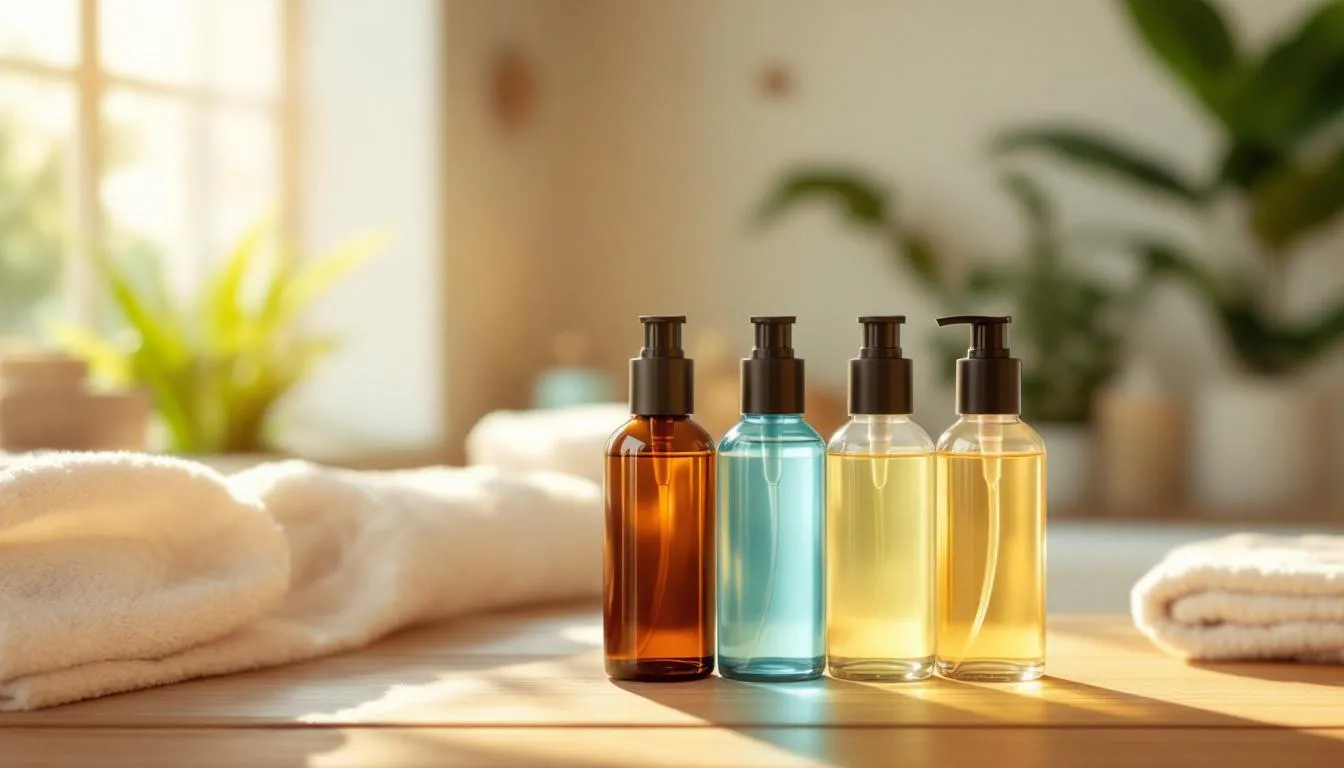
Coconut oil is renowned for its quick absorption and beneficial properties, including vitamins E and K. Selecting body oils with plant-based key ingredients, such as jojoba, helps support the skin's natural moisture balance. Plant-based oils, such as jojoba and almond, mimic the natural lipids found in skin. Olive oil, rich in vitamins A, D, E, and K, is renowned for its moisturizing properties, making it a lovely choice for mature skin. Additionally, using products with natural ingredients can further support skin health.
Sunflower seed oil is rich in vitamin E and recognized for its ability to penetrate the skin effectively, providing deep moisturization. Rose hip seed oil is a favorite for helping skin look more even and radiant. For dry skin, oils containing squalene can enhance hydration and skin softness, while oils like calendula and chamomile are popular for sensitive skin types.
Individuals with acne-prone skin should opt for non-comedogenic oils and avoid heavier options. Acne-prone individuals should also avoid oils like coconut oil, which can clog pores. By selecting the ideal body oil for your skin type, you can achieve healthy, radiant skin that feels as good as it looks. Each oil has its unique set of benefits, making it easy to find one that suits your specific needs.
DIY Body Oil Blends
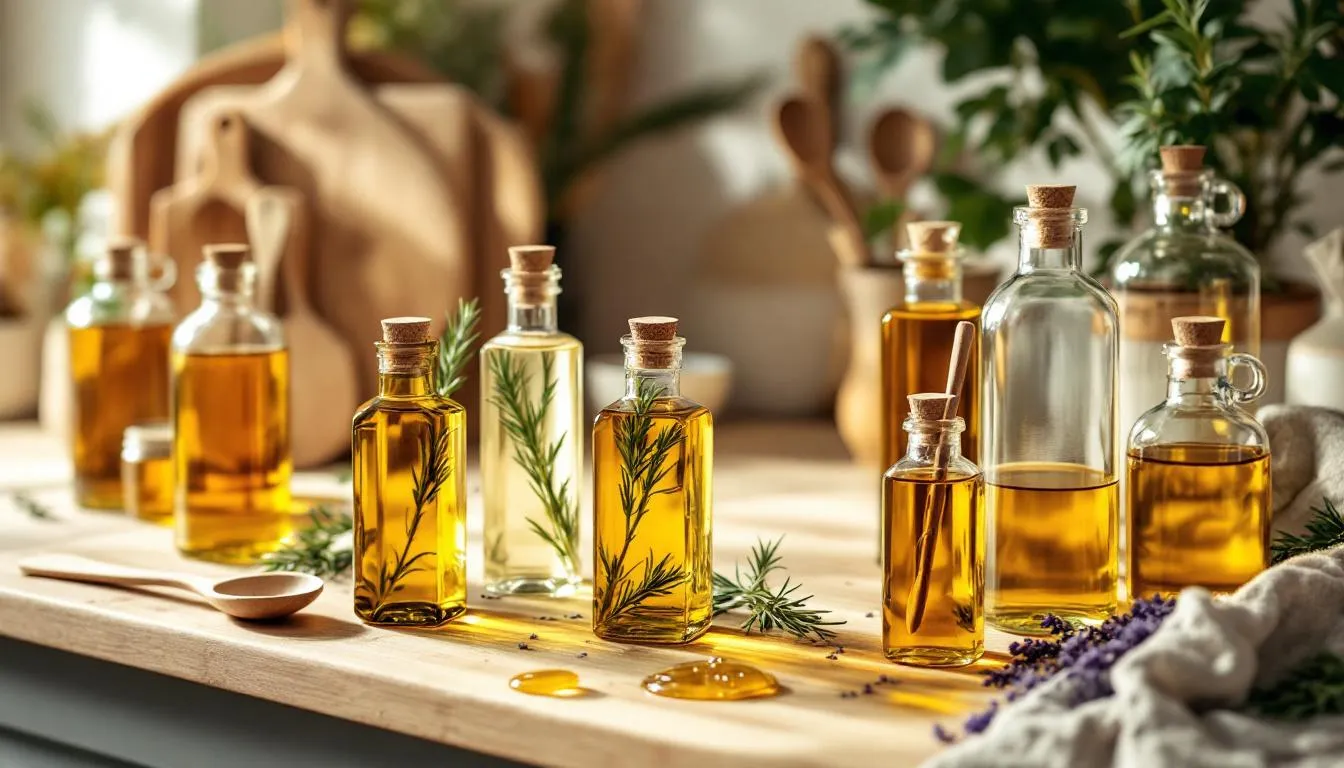
Creating your body oil blends at home can be both fun and rewarding. Using base oils as a foundation is essential in creating effective body oil blends. Common base oils include: jojoba oil, grapeseed oil, and sweet almond oil. These oils provide a solid foundation that can be customized with essential oils for added benefits and fragrances. Butters like shea and cocoa can also offer intensive moisturization and nourishment for the skin, making them excellent additions to homemade blends.
-
jojoba oil
-
grapeseed oil
-
Sweet almond oil. These oils provide a solid foundation that can be customized with essential oils for added benefits and fragrances.
Essential oils can be included for fragrance, but caution is needed as some can react negatively to sun exposure. Combining essential oils can create various scent profiles, such as rosemary, floral, soothing, and revitalizing. Experimenting with different combinations enables you to create a personalized body oil tailored to your specific needs and preferences.
Seasonal Body Oiling Tips
Seasonal changes can significantly impact skin health, making it essential to adjust your body oiling routine accordingly. During the cold winter months, the air tends to strip moisture from the skin, making it necessary to use deeply hydrating body oils. In contrast, the spring season can cause skin irritation due to fluctuating temperatures and allergens, making lightweight oils ideal for maintaining hydration. Many body oils contain essential fatty acids to maintain healthy skin barrier function, which is especially beneficial during seasonal transitions.
In the summer, sweating can lead to dehydration; it's important to use lightweight body oils that incorporate SPF for protection. As fall approaches and humidity drops, using deeply moisturizing oils can help protect the skin's hydrated barrier and combat dryness, which often requires special attention.
Adjusting your body oiling routine to the seasons keeps your skin healthy and hydrated year-round.
Common Myths About Body Oiling
There are several myths surrounding body oiling that need to be debunked. A prevalent myth is that body oils are greasy and do not absorb into the skin; however, many fast-absorbing oils are non-comedogenic and can be easily absorbed by the skin.
Another misconception is that body oils smell bad, but in reality, many are infused with pleasant fragrances that make your routine more enjoyable. Some assume body oils can't be used alongside lotions, but oils can be mixed with moisturizers to boost hydration, especially for those with dry skin.
Understanding the truth behind these myths can help you make informed decisions about incorporating body oils into your skincare routine.
Summary
Body oiling is a practice rooted in both tradition and science, offering numerous benefits for achieving and maintaining healthy, glowing skin. By understanding the principles of body oiling, selecting the right oils for your skin type, and incorporating effective application techniques, you can transform your skincare routine into a luxurious self-care ritual. Body oiling can also help keep skin supple and soften the look of early signs of aging. Whether you're aiming to hydrate, glow, or simply relax, body oiling offers a holistic approach to skin care.
As you embark on your body oiling journey, remember to adjust your routine to suit seasonal changes and debunk common myths that may deter you from experiencing its full benefits. Embrace the art of body oiling and enjoy the radiant, youthful skin that comes with it. Your skin will thank you!
Frequently Asked Questions
Can body oils be used on oily skin?
Absolutely, you can use body oils on oily skin! Choose non-comedogenic options, such as grapeseed oil, to keep your pores clear and healthy.
How often should I practice body oiling?
You should practice body oiling daily, especially after a shower on damp skin, to really moisturize. It's a great way to keep your skin hydrated and feeling soft!
Can body oils stain clothes?
Yes, body oils can stain clothes if not entirely absorbed. It's a good idea to wait until the oil on your skin has dried before getting dressed.
Are body oils safe for sensitive skin?
Absolutely, body oils like grapeseed and jojoba are great for sensitive skin because they're gentle. Just make sure to do a patch test first to be safe!
Can I use body oils on my face?
Absolutely, you can use body oils on your face if you pick the right ones. Opt for options like jojoba or rosehip oil to reap the best benefits for your skin.


