


Posted by Kerrieanne Lischka

New to bar soap? Read our Bar Soap Guide for quick answers about lye, germs and choosing the right bar.
At Ollie Skincare, we believe that good soapmaking starts with precise math, not guesswork. Every bar we create goes through a careful validation process before we ever pour a test batch, and the soapcalc calculator sits at the center of that workflow.
What Is SoapCalc and Why Ollie Skincare Uses It
SoapCalc launched in 2001 as one of the first free online lye calculator tools available to soap makers, and it remains a trusted resource in 2026 for both hobbyists and professionals. The tool converts your selected oil, butter, and wax list into exact sodium hydroxide (NaOH) or potassium hydroxide (KOH) amounts, plus water amounts, using laboratory-derived SAP values.
We rely on this soap calculator for every formulation we develop. Accurate calculations aren’t optional extras—they’re essential for skin safety and consistent performance. Throughout this post, we’ll show you how SoapCalc works, how to read its soap qualities, and how we use these numbers to design gentle, effective products.
The Chemistry Behind Soap Making
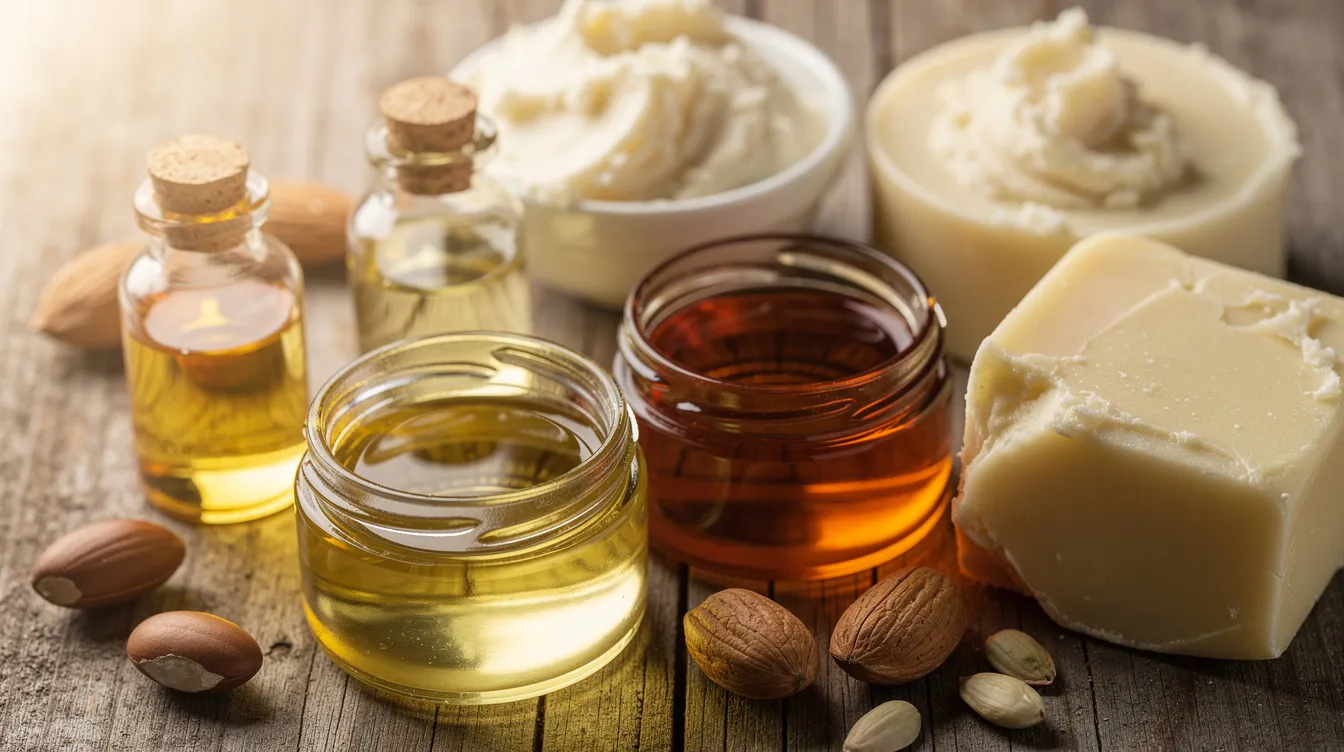
Saponification is the chemical process where triglycerides in fats and oils react with strong alkali to produce soap plus glycerin. When you combine olive oil with NaOH, you’re not just mixing—you’re creating an entirely new substance through alkaline hydrolysis, and the choice of base oils mirrors the decisions you make when evaluating skincare ingredients and their skin impact.
Every oil has a unique SAP value: the grams of lye needed to saponify one gram of that specific oil. Coconut oil’s NaOH SAP sits around 0.190, while olive oil runs closer to 0.135. These lab-derived values power the calculator’s algorithms.
NaOH produces hard bar soaps, while KOH creates softer or liquid soap formulations, and their differences in feel, pH, and usage are covered in our guide to bar and liquid soap. Dual-lye recipes blend both for cream soaps or shaving products. At Ollie Skincare, we never eyeball lye measurements. Even a 2-3% error can leave free caustic alkali that burns skin or produce an under-saponified bar prone to rancidity.
Why Every Recipe Must Go Through a Soap Calculator
The core risk is straightforward: too much lye causes chemical burns on skin, while too little yields soft, bacteria-prone, or slimy bars that won’t perform properly.
We run every prototype batch through SoapCalc before a test pour. When we developed olive-coconut-shea blends between 2024 and 2026, each variation went through the lye calculator first, especially for our cold process soap making workflow.
Core benefits of using SoapCalc:
-
Precise lye weight calculated to the gram
-
Controlled superfat for intentional mildness
-
Predictable water content for consistent trace
-
Automatic fatty acids profiling and quality range tracking
-
INS and iodine values for stability predictions
If you share a recipe with us, our first step is running it through a calculator to verify the lye ratio and SAP assumptions. Never make a batch without this step.
How to Use SoapCalc Step by Step
The SoapCalc page follows a logical sequence that becomes intuitive after one or two uses. Here’s how we approach it:
-
Choose your lye type first. Select NaOH for cold process bar soap, KOH for liquid soap, or dual-lye for cream and shave formulations.
-
Set your total weight of oils. Enter the batch size in grams or ounces based on your mold capacity. We often start with a 1000g test for new recipes.
-
Select oils from the database. SoapCalc includes over 150 choices. Click each entry to view single-oil properties before adding it to your recipe.
-
Assign percentages. Your oil percentages must total exactly 100%. The calculator won’t work correctly otherwise.
-
Set super fat and water. We recommend starting with 5% superfat and around 33% lye concentration as safe baselines.
-
Calculate and view results. The display shows lye weight, water amount, and quality predictions including hardness, cleansing, and conditioning values.
Save or print your results before making soap. We archive digital copies of every tested formulation.
Interpreting SoapCalc’s Soap Quality Numbers
SoapCalc generates several quality metrics that predict how your finished bar will perform. Here’s what each means and what range we target:
|
Metric |
Good Range |
What It Measures |
|---|---|---|
|
Hardness |
29-54 |
Bar durability from stearic/myristic acids |
|
Cleansing |
12-22 |
Lauric acid content; higher strips more oil |
|
Conditioning |
44-69 |
Oleic acid content; skin-softening feel |
|
Bubbly lather |
14-46 |
Quick, airy foam production |
|
Creamy lather |
16-48 |
Dense, stable bubble quality |
|
Iodine |
41-70 |
Unsaturation level; under 70 for firmness |
|
INS |
136-165 |
Overall balance; ~160 is ideal |
|
Higher cleansing values correspond to more lauric and myristic fatty acids, typically from coconut oil. We cap cleansing at 16-18 to minimize drying. When formulating, we adjust shea butter up or coconut down until conditioning and lather look balanced. |
|
|
Working With 150+ Oils, Butters, and Fats
SoapCalc's database includes a wide library with preloaded SAP values and fatty acid profiles for each entry. You don’t need to research individual oil properties—the calculator knows them already.
Oils we commonly use at Ollie Skincare:
-
Olive oil: High oleic content, excellent conditioning
-
Coconut oil 76°: Lauric-rich for bubbly lather
-
Shea butter: Stearic acids for creamy hardness
-
Castor oil: Ricinoleic acid for stable foam
-
Babassu: Palm-alternative with similar lather properties that also appears in our broader skincare glossary of ingredients and terms
Specialty butters like murumuru or kokum can be added with confidence because SoapCalc already contains their values. Always choose the exact oil variant listed—coconut 76° versus 92° have different SAP numbers. Waxes like beeswax also appear in the database for those who use them.
Superfat, Lye Discount, and Water Settings
Superfat and lye discount refer to the same concept: intentionally leaving unsaponified oils in your finished soap by reducing calculated lye. This creates milder, more conditioning bars.
Typical superfat ranges:
-
3-5% for general body bars
-
5-8% for facial bars or extra conditioning
-
Above 8% risks rancidity in some recipes, which can be especially important when you’re formulating for specific skin conditions and sensitivities
Water settings affect trace speed and cure time. More water slows trace and extends curing. A water discount speeds unmolding but can cause fast trace that catches beginners off guard.
We baseline at 5% superfat and 33% lye concentration for safety. These values vary based on your specific formula goals, but changing them should be deliberate—never random. Small adjustments amplify how lye-heavy or soft your final bar becomes, especially when you adjust the mix of oils for soap making.
Using SoapCalc for Different Soap Making Methods
The same SoapCalc numbers apply across different soapmaking approaches:
-
Cold process: Mix oils and lye solution at 38-43°C, pour into mold, cure 4-6 weeks. We rely on quality predictions to estimate hardness post-cure.
-
Hot process: Cook the soap until saponification completes (zap test passes). Same calculator numbers, usable soap in days rather than weeks.
-
Liquid soap: Use KOH instead of NaOH with higher water ratios. SoapCalc provides exact KOH amounts for clarity and pH targets around 9-10, and both formats can be equally effective when you compare bar soap vs. liquid soap for germs and skin.
One calculator underpins all three methods. The lye math doesn’t change—only your process and timing do.
From Hobby Formula to Ollie Skincare Standard
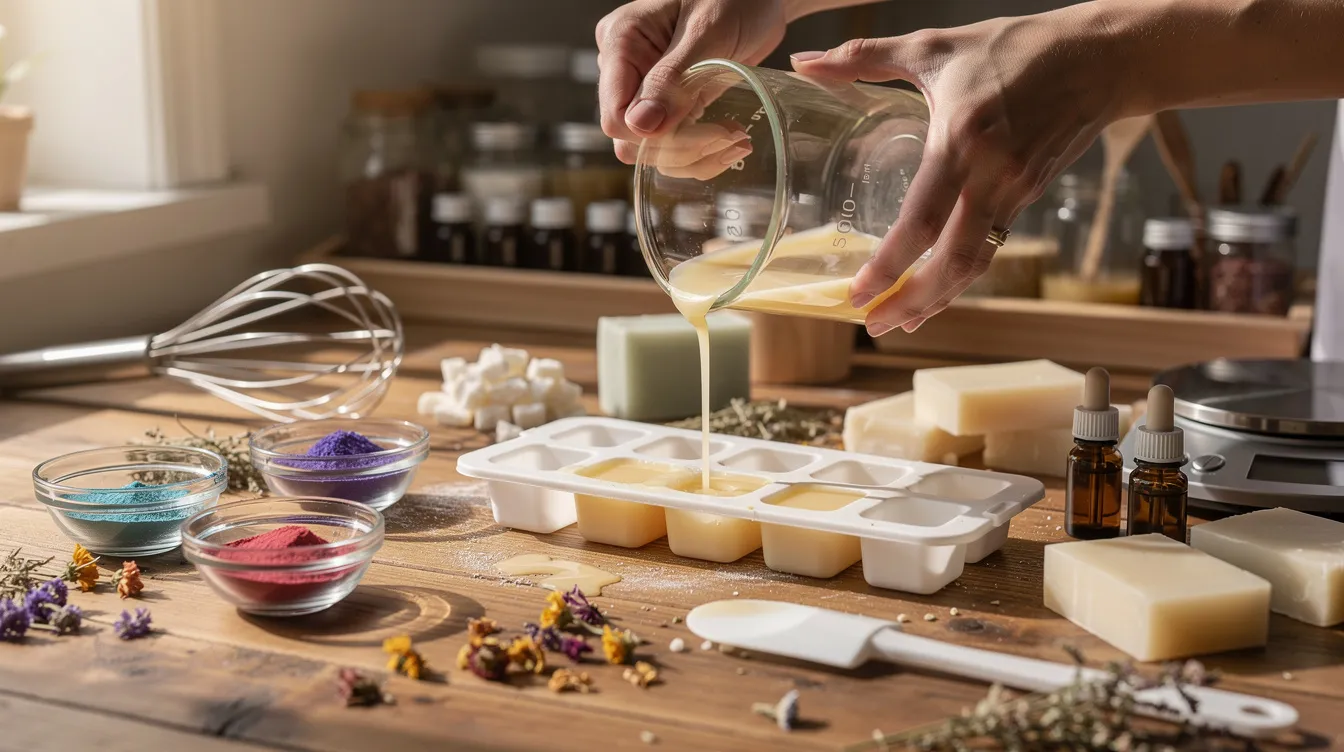
We might start with a simple hobby recipe—say, 40% olive, 30% coconut, 20% shea, 10% castor oil—and run it through SoapCalc to see where it lands. If cleansing shows above 20, we reduce coconut. If conditioning sits below 50, we boost shea or olive.
This isn’t just about the numbers. After SoapCalc validation, we conduct physical tests: trace time, hardness after 24-48 hours, cure performance at four weeks, and pH measurements around 9.5, particularly for gentle formulations like our goat milk eucalyptus and aloe bar soap.
The loop works like this: calculate → pour 100g test batch → evaluate → tweak formula → recalculate. This data-driven process connects a free online tool with professional-grade outcomes, which we apply across our handmade soap collection at Ollie Skincare. There’s no future guesswork when you build recipes this way.
If You Share a Recipe: How We Check It With a Calculator
When customers or collaborators send us recipes, we re-enter all oils and percentages into soap calc rather than trusting handwritten lye notes. We verify the lye type, check NaOH purity assumptions (typically 100%), and recalculate to confirm suggested amounts.
We review predicted qualities. Extreme cleansing values or very low conditioning get flagged, and we suggest gentler adjustments, especially when we’re debunking common myths about soap and skincare. We won’t endorse or replicate a formula until it passes these calculations.
You can mirror this process yourself: always double-check any recipe you find online through SoapCalc before you pour.
Practical Tips and Common Mistakes With SoapCalc
Common errors to watch for:
-
Forgetting to switch between KOH and NaOH for your method
-
Mixing up grams and ounces (display settings matter)
-
Oil percentages not totaling exactly 100%
-
Not saving the recipe page before making soap
Best practices we follow:
-
Note any additives like fragrance load (fo at 3-5% of oils), colorants, or citric acid alongside SoapCalc output
-
Archive digital summaries for reproducibility
-
Account for real-world SAP variations with sensible superfat margins
-
Comment on any adjustments made post-calculation
SoapCalc assumes standard SAP values. Different olive harvests or supplier batches vary slightly, which is why we build in 5% superfat as a buffer. These small variations justify the margin, not worry you unnecessarily.
Bug fixes and app updates have improved similar tools over the years, but the web-based SoapCalc remains reliable and ad-free for the community. You can print or save your results without creating an account while also using it to plan zero waste soap options and routines.
Conclusion: Let SoapCalc Handle the Math, You Focus on the Formulation
SoapCalc has been a cornerstone tool since the early 2000s and remains part of our formulation workflow in 2026. Every new or borrowed recipe should pass through a soap calculator before you make a batch—no matter how experienced you become.
The idea isn’t to remove creativity from soapmaking. It’s to pair numerical guidance with your sensory testing and skincare goals. We balance mildness, lather, and conditioning using both the calculator’s predictions and hands-on evaluation.
Approach soap making as applied chemistry. Tools like SoapCalc aren’t optional extras—they’re the scientific foundation beneath every safe bar and bottle. Let the calculator handle the math so you can focus on creating something that truly nourishes skin. Run your next recipe through SoapCalc before you pour, and you’ll understand exactly why we never skip this step.


