

Key Takeaways
-
Rosehip oil is a simple, nutrient-dense botanical that brightens skin, delivers deep hydration, and supports skin barrier repair for a natural, healthy glow.
-
As the formulator at Ollie Skincare (trained with Formula Botanica), I favor pure rosehip seed oil because it provides visible radiance using minimal, skin loving nutrients.
-
The key actives—vitamin a derivatives, vitamin c, and essential fatty acids—are gentle enough for sensitive skin, dry skin, and mature skin types.
-
Rosehip oil layers beautifully with our goat milk soaps and body oils to create a calm, minimalist skincare routine.
-
Good-quality, cold pressed rosehip oil can be used daily for glow, as long as you do a patch test first and wear sun protection.
What Is Rosehip Oil & Why Formulators Love It
Rosehip oil comes from cold-pressing the fruit and seeds of wild rose species, most commonly Rosa canina, grown in places like Chile and Eastern Europe. The rose plant produces small, vibrant fruits after the rose petals fall—and those fruits hold remarkable nourishing properties for skin health.
What makes rosehip oil so special? It’s naturally rich in fatty acids: omega-3 (linolenic acid at 30-40%), omega-6 (linoleic acid at 40-50%), and omega-9 (oleic acid at 15-20%). Add provitamin a compounds like beta carotene and trace amounts of trans retinoic acid, plus vitamin e and antioxidants, and you have a complete skin regeneration powerhouse.
Rosehip oil is considered a dry oil—light, easily absorbed, and suitable for most skin types including combination and sensitive skin. This is exactly why I reach for it in my formulations at Ollie Skincare. We favor minimal, high-quality plant oils over complicated, heavily fragranced formulas.
Quality matters tremendously. Look for unrefined, cold pressed, organic rosehip oil with a rich golden-orange hue, stored in dark glass to protect its delicate compounds from light damage.

How Rosehip Oil Creates a Natural, Healthy Glow
What exactly creates that “glow” we all want? Dermatologically speaking, it’s a combination of optimal hydration, smooth texture, and even skin tone—all areas where the benefits of rosehip become clear.
The oil’s lightweight texture helps soften rough patches and smooth micro-flakiness, allowing light to reflect more evenly from your skin’s surface. Carotenoids (including beta carotene) give rosehip face oil its warm color and act as gentle antioxidants, enhancing a subtle, lit-from-within radiance over time rather than an instant shimmer.
Clinical research shows a 20-30% reduction in transepidermal water loss after four weeks of twice-daily application. When used regularly for 6-8 weeks, rosehip oil can visibly improve dullness—especially in dry or wind-chapped skin common in colder climates like our Wisconsin winters.
From a formulation standpoint, pairing rosehip oil with gentle cleansing (like our creamy goat milk facial bars) prevents over-stripping and helps that glow last throughout the day.
Deep Hydration & Barrier Support for Sensitive, Dry Skin
When your skin barrier is compromised, it loses moisture quickly and becomes tight, itchy, and reactive. Harsh cleansers can strip 30-50% of natural lipids, leading to significantly higher water loss, which is why understanding how to treat dry skin and restore moisture is so important.
Rosehip oil is abundant in linoleic and linolenic acid, which help reinforce the lipid layer of skin cells, reducing transepidermal water loss and supporting long-lasting moisture. Studies on eczema-prone skin show a 22% reduction in water loss with consistent use.
Here’s my favorite application method: press a few drops of rosehip oil over damp skin after cleansing. This helps seal in hydration and softens tight, flaky areas on cheeks, around the nose, and along the jawline.
For very sensitive or eczema-prone skin, I recommend, alongside broader tips to care for sensitive skin:
-
Cleanse with an unscented goat milk soap
-
Pat skin until just damp
-
Press (don’t rub) the oil gently into skin
-
Allow full absorption before layering
At Ollie Skincare, we keep rosehip blends fragrance-free to avoid disrupting sensitive barriers while still delivering comforting deep hydration.
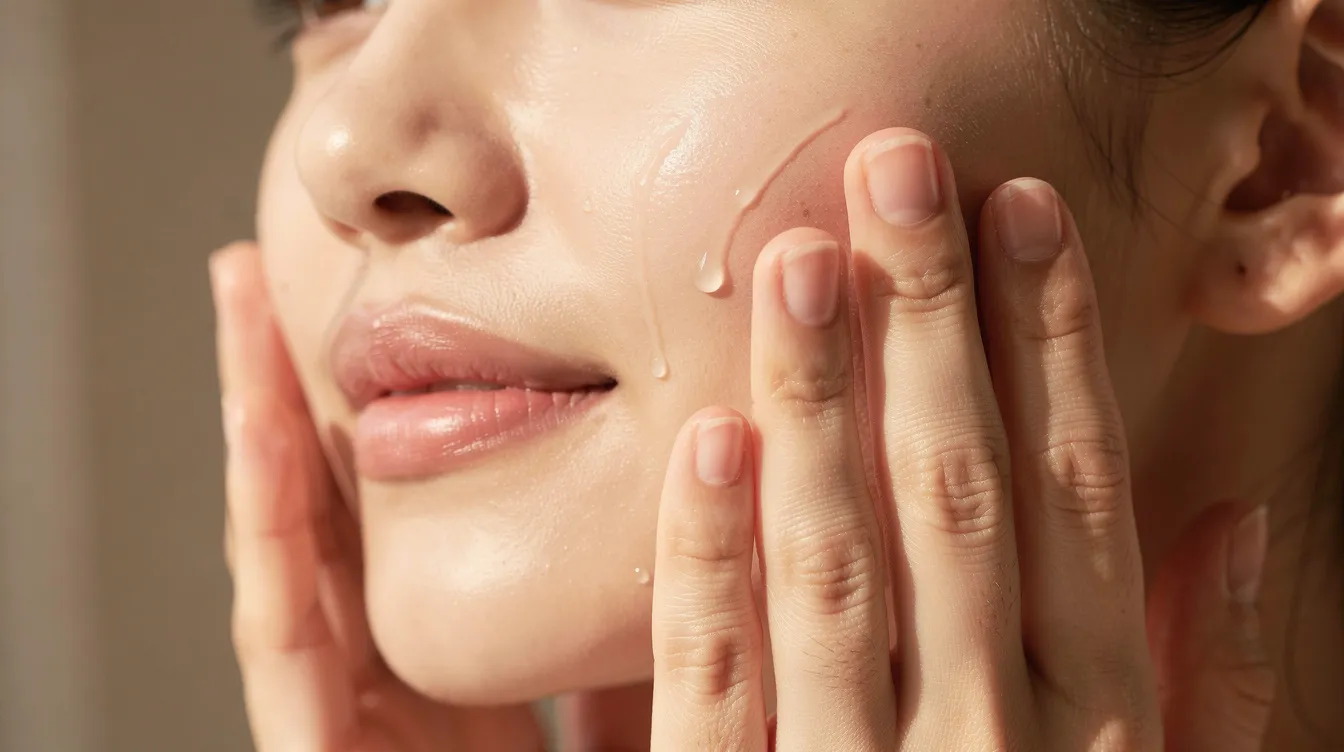
Brightening, Evening Tone & Fading the Look of Marks
Rosehip oil supports a more even complexion by encouraging gentle cell turnover and supplying protective antioxidants. If you’re curious about related actives like retinol or vitamin C, our skincare ingredient glossary breaks down how they work alongside botanicals. The natural vitamin a derivatives (like trans retinoic acid in small, naturally occurring amounts) help soften the appearance of acne scars, sun damage, and uneven skin tone over consistent use.
The vitamin c content—while more delicate than lab-stabilized forms—still brightens skin and provides antioxidant protection. Research indicates it can inhibit tyrosinase, reducing melanin production that causes dark spots.
Changes in hyperpigmentation are gradual. Think 8-12 weeks of nightly use to see significant improvements in tone rather than overnight fading. This patience pays off: studies show 60% of users notice clearer glow after three months.
Always pair rosehip oil with daily mineral SPF in the morning. Protecting skin from uv rays and uv exposure is crucial for maintaining brightening results, as UV can re-pigment skin 40% faster without protection.
Fine Lines, Early Aging & Skin Resilience
At Ollie Skincare, we prefer a gentler “skin-support” approach over aggressive anti aging routines. Rosehip oil smooths fine lines and the appearance of fine lines by improving skin suppleness and skin elasticity through its omega fatty acids and antioxidant profile.
The naturally occurring vitamin a compounds in rosehip are far milder than strong synthetic retinoids, which irritate up to 50% of users. Research shows rosehip can boost collagen production by 25% and improve elasticity measurements by 15%—without purging or irritation.
Using rosehip oil regularly around areas prone to expression lines (forehead, crow’s feet, smile lines) keeps skin feeling smoother and bouncier. It addresses visible signs of premature aging without a heavy, occlusive feel.
Practical application tip: Press 2-3 drops into slightly damp skin at night. In colder months, optionally layer a richer balm or tallow-based salve over the top for extra comfort and skin repair support.
Soothing Redness, Blemish-Prone & Reactive Skin
Many people with breakouts or redness feel nervous about face oils. But well-formulated rosehip oil can actually help rather than harm prone skin.
Rosehip oil has a light, dry oil texture and a fatty acid profile (especially linoleic acid) that supports balanced sebum production. Studies show it can reduce sebum by 15-20%, making it less likely to congest pores compared to heavier, oleic-rich oils.
Anti inflammatory phytochemicals help reduce inflammation and calm visual redness—supporting conditions like occasional breakouts or windburned cheeks. The oil’s wound healing properties also aid skin recovery.
For blemish prone skin:
-
Start with 1-2 drops over a non-stripping cleanser at night
-
Begin 2-3 times per week
-
Increase frequency as tolerated
-
Focus on drier areas, avoiding oiliest T-zone spots
Persistent or cystic acne should still be evaluated by a dermatologist to rule out hormonal or medical causes.
How to Use Rosehip Oil in a Simple Ollie Skincare Routine
As a small-batch formulator, I aim to make routines simple: cleanse gently, hydrate, then seal with a targeted oil like rosehip, using Ollie Skincare’s products to keep each step effective but minimal.
Evening Routine:
-
Cleanse with gentle goat milk soap or creamy facial cleanser
-
Mist or pat on water-based hydration
-
Press 2-4 drops of a nourishing facial oil to promote a radiant glow into face, neck, and décolletage
Morning Routine:
-
Rinse with lukewarm water or mild cleanser
-
Apply light facial oil blend on damp skin
-
Finish with mineral SPF
Rosehip oil can also be mixed: add a drop to your favorite moisturizer or to an herbal salve when you want extra glow without changing your entire routine, or pair it with a nourishing body oil for all-over radiance. You can even use it as a carrier oil for other beneficial ingredients.
Start with a small amount daily in the evening, adjusting based on your skin’s response—especially for very reactive complexions.
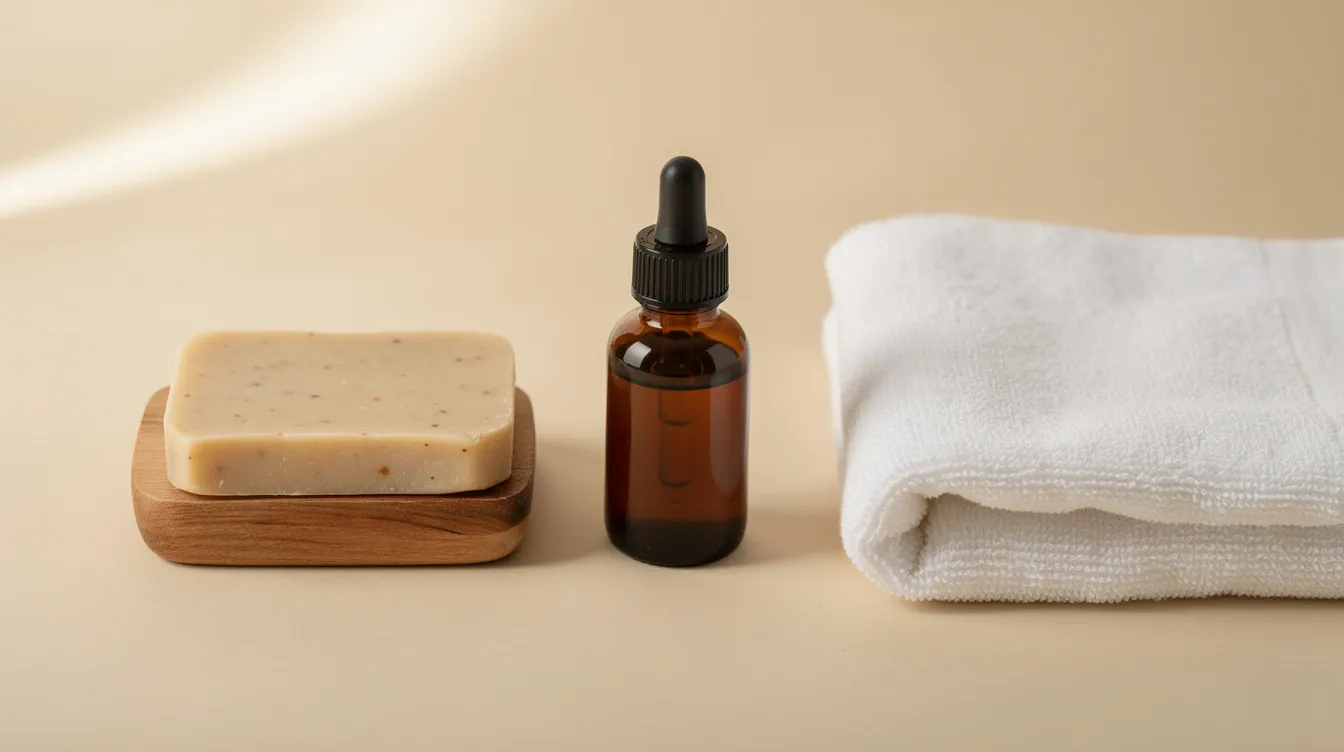
Choosing a Good Rosehip Oil: What to Look For
Not all rosehip oils deliver the same results. Quality affects both effectiveness and the risk of irritation or oxidation, so understanding key skincare ingredients and how they behave can help you read labels with confidence.
What to look for: A light, natural earthy or nutty aroma is normal. Avoid products with strong synthetic fragrance, added colors, or mineral oils—these are unnecessary and problematic for healthy skin.
At Ollie Skincare, our approach emphasizes small-batch production, fresh-bottling, and minimalist ingredient lists. We focus on all the benefits of rosehip oil good for your skin rather than filler components.
Store rosehip oil away from heat and direct sunlight. Use within 6-12 months of opening for optimal potency and cell longevity support.
Frequently Asked Questions About Rosehip Oil
Can I use rosehip oil every day on sensitive skin?
Most people with sensitive skin can use rosehip oil daily, especially if it’s pure rosehip seed oil that’s cold pressed and fragrance-free. Start 2-3 evenings per week and do a patch test on a small area of your jaw or neck. Gradually increase to nightly use as long as no irritation occurs. Pairing it with gentle cleansing reduces over-drying and improves tolerance.
Should I apply rosehip oil before or after my moisturizer?
The simple guideline: water-based products first, then moisturizer (if using), then rosehip oil as the final step to lock everything in. For very dry skin, try mixing a drop or two directly into a cream or balm before applying. In humid climates or for oilier skin, rosehip oil alone over damp skin may be enough.
Can I use rosehip oil under makeup for extra glow?
Yes! Use a very small amount (1-2 drops) and allow it to absorb fully before applying foundation—about 5 minutes. Those with oily or combination skin may prefer evening-only use. Makeup tends to sit more smoothly on well-hydrated, lightly oiled skin, creating a more luminous finish.
Is rosehip oil safe during pregnancy?
Pure rosehip seed oil is generally considered gentle, and many use it during pregnancy to support skin elasticity and help with stretch marks. Although its vitamin A content is naturally low compared to prescription retinoids, consult your healthcare provider before adding new products. Choose simple, low-fragrance formulas during this time.
Will rosehip oil clog my pores or cause breakouts?
Rosehip oil is classified as relatively low-comedogenic and is often well-tolerated by normal, dry, and combination skin types. Individual responses vary—some very acne-prone skins may prefer using it only a few nights per week. Standardized rose hip powder and rose oil are different products with different properties, so ensure you’re using actual rosehip seed oil. Introduce slowly, keep your routine simple, and observe for 3-4 weeks. Post surgical scars treated with rosehip oil also show scar reduction benefits in research.
Rosehip oil represents everything we love about simple, intentional skincare at Ollie Skincare. It delivers real results—glow, hydration, softened lines—without complicated routines or synthetic additives. Give your skin what it truly needs, and let it do what it does best.


