


Posted by Kerrieanne Lischka

Quick answer
Goat milk soap can be a comfortable everyday cleanser for rosacea-prone skin because it's creamy and has a short ingredient list. Choose an unscented bar, wash with lukewarm water, rinse well, pat dry and moisturize. It's a gentle cleanser, not a rosacea treatment, so keep working with your dermatologist. Our unscented bar is Beauty Bare.
Key Takeaways
-
Goat milk soap contains naturally occurring lactic acid and creamy milk fats, so it cleans gently without leaving skin feeling tight, which makes it a good fit for sensitive, rosacea-prone skin.
-
Like all true soap, goat milk soap is naturally alkaline, so rinsing well and following up with a moisturizer helps skin feel comfortable after washing.
-
Triple-milled, unscented goat milk soaps with minimal ingredients are a good fit for rosacea-prone skin, as they avoid common triggers such as synthetic fragrances and harsh sulfates.
-
Goat milk naturally contains fatty acids such as caprylic acid, plus vitamins A and D and selenium, and its milk fats give soap a creamy lather that leaves skin feeling soft and moisturized.
-
Rosacea is a chronic skin condition that a dermatologist can diagnose and treat. A gentle soap is part of a comfortable daily routine, not a treatment.
Understanding Rosacea and Its Impact on Daily Life
If you’re among the 16 million Americans living with Rosacea, you know the daily struggle of managing persistent facial redness, burning sensations, and unpredictable flare-ups. This frustrating skin condition affects primarily adults aged 30-60 with fair skin, creating not just physical discomfort but significant psychological challenges that impact quality of life.
Rosacea manifests in four distinct subtypes, each presenting unique challenges for those seeking effective skincare solutions. Erythematotelangiectatic Rosacea causes persistent central facial redness with visible blood vessels, while papulopustular Rosacea adds inflammatory bumps resembling acne. Phymatous Rosacea leads to skin thickening, particularly around the nose, and ocular Rosacea affects the eyes, causing symptoms such as swollen eyes, dryness, and irritation.

The triggers for rosacea symptoms are numerous and often unavoidable in daily life. UV exposure remains the most common culprit, followed by stress, spicy foods, alcohol, hot drinks, and perhaps most frustratingly for skincare enthusiasts, harsh chemicals and fragrances found in conventional skincare products. These triggers can cause immediate vasodilation, leading to increased redness and inflammation that may persist for days or weeks.
Beyond the physical symptoms, many people with rosacea experience decreased self-confidence and social withdrawal. The unpredictable nature of flare-ups creates anxiety around social situations, work presentations, and even simple daily activities like grocery shopping. This psychological impact often proves more challenging than the visible symptoms themselves, making a gentle daily routine and a dermatologist's care important for both comfort and emotional well-being.
Understanding your specific rosacea subtype and trigger patterns becomes crucial for developing an effective management strategy. While no permanent cure exists, a dermatologist can help with treatment, and choosing gentle cleansing options that don't leave skin feeling stripped can make your daily routine more comfortable.
Why Conventional Soaps Worsen Rosacea Symptoms
Most commercial soaps contain ingredients specifically designed to remove dirt and oil efficiently; however, these same properties can be particularly harmful for delicate skin affected by Rosacea. Understanding why conventional cleansers exacerbate rosacea symptoms helps explain why choosing the right soap matters so much for anyone with this common skin condition.
Harsh surfactants, such as sodium lauryl sulfate (SLS), form the backbone of most commercial soaps, creating rich lather while stripping away not only dirt but also the natural protective oils essential for maintaining healthy skin. These aggressive cleansing agents disrupt the skin barrier function, leaving rosacea-prone skin even more vulnerable to environmental triggers and bacterial overgrowth. For those already dealing with compromised barrier function, this additional assault can trigger immediate inflammation and prolonged irritation.
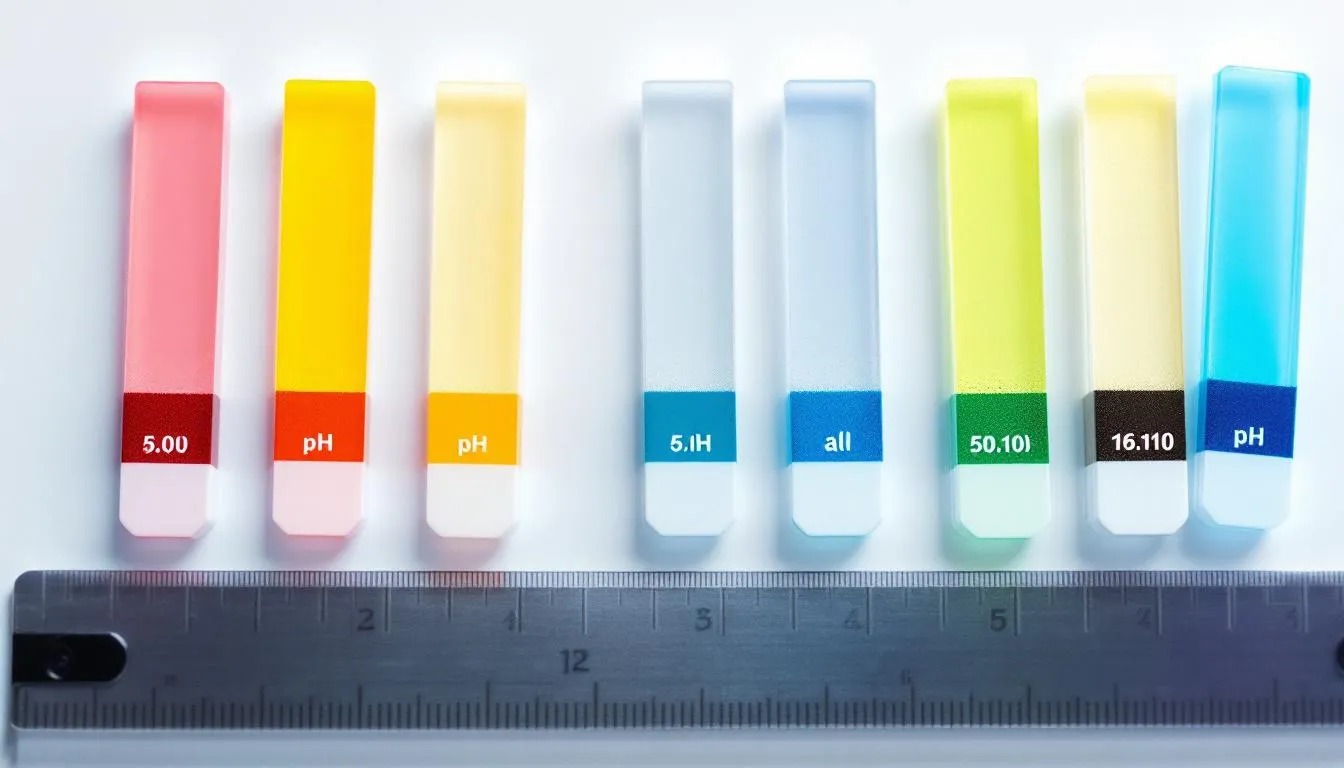
The alkaline pH levels found in regular soaps, typically ranging from 9 to 10, create another significant problem for sensitive skin. Human skin naturally maintains a slightly acidic pH of around 5.5, known as the acid mantle, which helps prevent the proliferation of harmful bacteria while supporting the growth of beneficial microorganisms. When alkaline soaps disrupt this delicate balance, they create an environment that allows harmful bacteria to thrive, potentially worsening rosacea symptoms and causing irritated skin.
Synthetic fragrances present the most insidious threat to those managing Rosacea. These complex chemical mixtures can contain over 3,000 potential allergens, many of which specifically target and irritate sensitive skin. Even products labeled as “lightly scented” often contain sufficient fragrance compounds to trigger contact dermatitis in individuals with Rosacea, leading to increased redness, burning sensations, and prolonged recovery periods. Many people with sensitive skin prefer soaps that are free from sulfates and parabens.
Artificial colors and preservatives, such as parabens, add another layer of potential irritation. While these ingredients serve essential functions in commercial soap production, they can often cause allergic reactions and exacerbate skin sensitivity in individuals who already experience chronic inflammation. Antibacterial agents, such as triclosan, while marketed as beneficial, actually eliminate the beneficial skin microbiome that helps maintain natural defense mechanisms against harmful bacteria and environmental stressors.
The cumulative effect of these harsh ingredients creates a cycle in which harsh conventional soaps can leave rosacea-prone skin feeling more irritated. This explains why many individuals with Rosacea find their skin condition deteriorating despite maintaining what they believe to be good hygiene practices with readily available commercial products.
What Makes Goat Milk Soap Gentle for Rosacea-Prone Skin
The appeal of goat milk soap for rosacea-prone skin lies in its creamy composition and gentle cleansing feel. Unlike harsh soaps that can leave skin feeling stripped, a well-made goat milk soap cleans while leaving skin feeling soft and comfortable. Goat milk contains approximately 87% water, 4.1% fat, and 3.4% protein, along with vitamins and minerals. It is a cleanser, not a rosacea treatment, so it works best alongside the care plan your dermatologist recommends. Here are my steps for a cleaner, softer face with goat milk soap.
Goat milk has smaller fat globules than cow milk, which is one reason goat milk soap feels so creamy. You can read more about the beneficial compounds in goat milk soap and why they make a bar feel so moisturizing.
Natural Lactic Acid: Gentle Exfoliation
Goat milk naturally contains lactic acid, a mild alpha hydroxy acid known in skincare for gentle exfoliation, which helps skin feel smoother and look brighter.
Synthetic alpha hydroxy acids, such as glycolic acid, can sting sensitive skin, so many people with rosacea-prone skin prefer a gentler cleanser. A creamy goat milk bar is a softer choice than strong chemical exfoliants.
The key is a gentle, simple approach that doesn't overwhelm already sensitive skin.
Essential Fatty Acids: Moisture and Softness
Goat milk naturally contains caprylic acid (C8:0) and capric acid (C10:0), medium-chain fatty acids that give goat milk soap its creamy feel and help leave skin feeling moisturized.
Rosacea-prone skin often feels dry and tight, so a cleanser that doesn't leave skin feeling stripped, followed by a good moisturizer, can make your routine more comfortable.
The fats in goat milk soap help skin keep its feeling of hydration, so skin feels less dry and looks less flaky after washing.
pH: What to Know About Soap and Your Skin
Your skin naturally sits at a slightly acidic pH of around 5.5. Like all true soap, goat milk soap is naturally alkaline, so it's the creamy milk fats and simple ingredients, not a skin-matching pH, that make it feel gentle. Rinsing well and moisturizing afterward helps skin feel comfortable.
If your skin stings with any cleanser, stop using it and check with your dermatologist.
Keeping your routine simple, with gentle cleansing and moisturizing, is a kind approach for sensitive skin.
Naturally Occurring Milk Proteins and Minerals
Goat milk naturally contains proteins such as lactoferrin and immunoglobulins, and it gives soap a creamy, mild feel. A goat milk bar isn't a substitute for prescription care; your dermatologist is the right person to help with redness.
Goat milk also contains selenium and vitamins. Daily broad-spectrum sunscreen is still an important everyday habit, since sun exposure is one of the most common rosacea triggers.
Selecting the Best Goat Milk Soap for Your Rosacea Type
Not all goat milk soaps are created equal, and choosing the proper formulation can mean the difference between skin that feels comfortable and continued frustration. Understanding key factors in product selection empowers you to make informed decisions that suit your skin.
The ideal goat milk soap for Rosacea contains a maximum of 4-6 ingredients, focusing on simplicity rather than exotic additions that might trigger sensitivities. Look for formulations that list raw goat milk or a fresh goat milk product as the primary ingredient, followed by natural oils such as olive oil, coconut oil, or castor oil for saponification.
The manufacturing process has a significant impact on the quality of the final product. Cold-process soaps retain more of the beneficial vitamins and proteins found in goat milk compared to melt-and-pour or triple-milled methods that may involve higher temperatures. However, triple-milled castile goat milk soap can offer superior longevity and consistent lather, making it worth considering for daily use despite potentially reduced vitamin content.

When evaluating products, look for certifications such as USDA Organic, Leaping Bunny cruelty-free, and dermatologist-tested labels. These certifications provide additional assurance about ingredient quality and testing protocols, though they don’t guarantee compatibility with your specific skin needs.
A price comparison reveals significant variation in the market, with artisanal soaps typically ranging from $8 to $15 per bar, while commercial brands range from $3 to $6. The higher cost of artisan products often reflects superior ingredient quality, smaller batch production that preserves nutrients, and more meticulous attention to formulation details, which benefit sensitive skin.
Unscented Formulations: A Good Starting Point for Sensitive Skin
For individuals with Rosacea, unscented goat milk soap formulations are a good starting point. Fragrance, including essential oils, is a common trigger for sensitive skin, making fragrance-free products a smart choice for many people with rosacea.
Recommended brands specializing in unscented formulations include Bend Soap Company, Beekman 1802, and Nubian Heritage, all of which offer unscented lines. These manufacturers focus on preserving the natural benefits of goat milk without adding potentially irritating aromatics or botanicals.
Before incorporating any new soap into your skincare routine, perform patch testing on your inner forearm for 48-72 hours. Apply a small amount of lather, rinse thoroughly, and monitor for any signs of irritation, including redness, stinging, or increased sensitivity. This simple precaution can prevent full-facial reactions that might set back your progress for weeks.
Proper storage maintains soap quality and prevents rancidity, which can irritate sensitive skin. Store goat milk soap in a dry, cool location, away from direct sunlight. Use a soap dish that allows for air circulation to prevent moisture accumulation, which can promote bacterial growth.
Gentle Scented Options: Natural Additions for Scent Lovers
If you prefer scented products and have established tolerance for specific ingredients, certain gentle additions may work for you. Chamomile-infused goat milk soaps offer a subtle, pleasant scent.
Oatmeal and honey combinations in goat milk soap add gentle physical exfoliation from oatmeal and a touch of honey for a cozy bar that leaves skin feeling soft. Ingredients such as oatmeal, shea butter, aloe, and chamomile are popular in gentle skincare for sensitive skin.
Lavender essential oil, when used at very low concentrations (0.5% or less), has a scent many people enjoy. However, even natural essential oils can cause reactions in individuals who are highly sensitive to them.
Watch for warning signs of sensitivity, including immediate stinging, increased redness that persists longer than usual, or burning sensations during or after use. These reactions indicate that the product contains triggers for your specific skin and should be discontinued immediately to prevent worsening symptoms.
Proper Application Techniques for Maximum Benefit
The way you use goat milk soap can be just as important as the soap itself. Proper application techniques help you get the most from your soap while minimizing the risk of inadvertent irritation that could trigger rosacea flare-ups.
Water temperature plays a crucial role in preventing vasodilation that worsens redness. Use lukewarm water, which is between 85°F and 90°F, feeling neither hot nor cold to the touch. Hot water increases blood flow to facial vessels, immediately intensifying the redness and inflammation characteristic of Rosacea, while cold water can cause uncomfortable tightness in already sensitive skin.
Apply goat milk soap using only your fingertips, avoiding washcloths, exfoliating tools, or rough towels that can cause micro-trauma to delicate skin. Create a gentle lather in your palms first, then apply using light circular motions, allowing the soap to remain in contact with your skin for 30-60 seconds. To use goat milk soap effectively, wash your face with lukewarm water, lather gently, and rinse thoroughly without scrubbing. This duration provides sufficient cleansing action without over-drying or stripping the skin of essential oils.
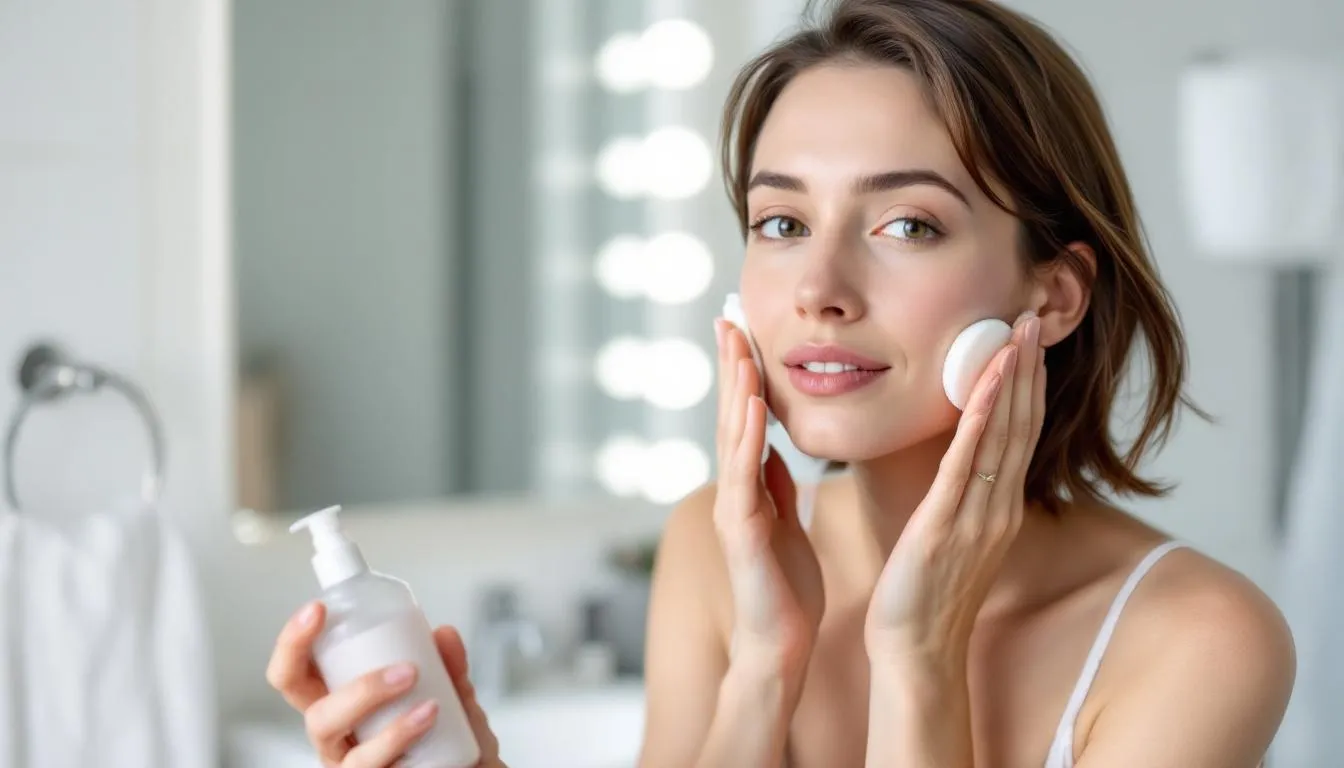
Immediately after cleansing, pat dry with a clean, soft towel using gentle pressing motions rather than rubbing. Apply moisturizer within 3 minutes of washing to help lock in moisture. This timing takes advantage of the skin’s increased permeability immediately post-cleansing.
Morning vs. Evening Routines: Timing Considerations
Your morning skincare routine should focus on protection and preparation for the daily environmental challenges you face. Use goat milk soap once, followed immediately by a broad-spectrum SPF 30+ sunscreen, to prevent UV-triggered flare-ups. The gentle cleansing action removes overnight oil accumulation without leaving skin feeling stripped.
Evening routines can accommodate more intensive cleansing if needed, particularly if you wear makeup or sunscreen that requires thorough removal. Consider a double cleanse approach using an oil-based cleanser first to dissolve makeup and sunscreen, followed by goat milk soap to remove any remaining impurities.
Most people do well with once- or twice-daily cleansing. Monitor your skin's response and adjust accordingly, as over-cleansing can trigger increased sensitivity even with gentle products.
Seasonal adjustments help maintain optimal results throughout the year. During the winter months, increased moisturizing and reduced cleansing frequency may be necessary to prevent over-drying in low-humidity environments. Summer humidity might allow for slightly more frequent cleansing, but maintain gentle techniques regardless of seasonal variations.
Using Goat Milk Soap Alongside Your Dermatologist’s Plan
If you use prescription rosacea treatments, ask your dermatologist how and when to fit cleansing into your routine.
Combining multiple active ingredients can overwhelm sensitive skin, so check with your dermatologist before adding exfoliating products.
Talk with a dermatologist before making significant changes to your skincare routine, especially if your rosacea is moderate or severe. Goat milk soap is a gentle cleanser, not a treatment.
Keeping photos and notes on how your skin looks and feels can help you and your healthcare provider see what is working in your overall plan.
Comprehensive Goat Milk Skincare Regimen for Rosacea
Building an effective skincare routine extends beyond choosing the best soap to include coordinated products that work together for comfortable, rosacea-prone skin. A comprehensive approach addresses cleansing, hydration, and sun protection using goat milk products and complementary formulations.
Budget considerations for a comprehensive goat milk skincare regimen typically range from $45 to $80 monthly for quality products. This covers cleanser, toner, serum, moisturizer, and sunscreen chosen for sensitive, rosacea-prone skin.
Give any new routine a few weeks so you can see how your skin looks and feels. A gentle cleanser won't treat rosacea, but a comfortable routine you can stick with is a good foundation.
Progress tracking methods include weekly photo documentation using consistent lighting and angles, as well as daily symptom severity scoring on a 1-10 scale for redness, burning, and overall comfort. This systematic approach helps identify patterns, trigger avoidance strategies, and optimal product combinations for your individual needs.
Goat Milk Moisturizers and Serums
Goat milk lotion, formulated with hyaluronic acid, provides lightweight daytime hydration without the greasiness that can trap heat and exacerbate rosacea symptoms. Look for products containing 2-3% hyaluronic acid combined with goat milk proteins for optimal moisture retention without pore-clogging ingredients.
Rich nighttime creams containing ceramides and peptides leave skin feeling soft and moisturized by morning. These formulations should feel more substantial than daytime products.
Goat milk serums with niacinamide are another option; niacinamide is popular in skincare for helping skin look more even and less red.
Application techniques for goat milk products involve gentle upward massage using fingertips, avoiding the delicate eye area and any zones of active inflammation. Allow each product to absorb fully before applying the next layer, typically waiting 2-3 minutes between applications to prevent product interference.
Weekly Pampering Options
Goat milk bath soaks are a relaxing full-body option. Add 1 cup of powdered goat milk to warm bath water and soak for 15-20 minutes for skin that feels soft, plus a little time to unwind.
DIY goat milk masks, which combine fresh goat milk with oatmeal and honey, make a simple at-home pampering ritual. Patch test first, apply the mixture for 10-15 minutes once weekly, then rinse. The combination provides gentle exfoliation and leaves skin feeling hydrated.
Professional treatments, including goat milk facials, are increasingly available at dermatology clinics and medical spas that specialize in sensitive skin conditions. These treatments often combine goat milk with other gentle ingredients under the guidance of a professional.
For these pampering rituals, avoid masks or prolonged contact during active flare-ups or when open lesions are present. They're best saved for a stable period so they don't overwhelm already irritated skin. They should be discontinued if any increase in sensitivity occurs.
Common Mistakes and How to Avoid Them
Even with the gentlest products, improper use can sabotage your efforts to manage rosacea symptoms effectively. Understanding common mistakes helps you avoid setbacks and maintain steady progress toward more comfortable skin.
Over-cleansing represents one of the most frequent errors, even with gentle soap formulations. While goat milk soap is significantly less harsh than conventional options, using it more than twice daily can still compromise barrier function and increase sensitivity. Stick to using the product once or twice daily, regardless of how gentle it feels.
Using hot water remains tempting, especially during cold weather, but temperatures above 90°F cause immediate vasodilation, which worsens redness and can trigger prolonged flare-ups. Train yourself to test water temperature with your wrist before washing your face, ensuring it feels neutral rather than warm.
Aggressive scrubbing or the use of exfoliating tools can damage compromised skin and cause micro-trauma, leading to increased inflammation. Even with the natural exfoliating properties of lactic acid in goat milk soap, physical manipulation should remain gentle and brief. Harsh physical exfoliants, such as scrubs with crushed nut shells, can cause microtears and inflammation, making them unsuitable for rosacea-prone skin.

Mixing too many new products simultaneously makes it impossible to identify which ingredients help and which might trigger adverse reactions. Introduce one new product at a time, allowing 2-3 weeks to evaluate its effects before adding additional items to your routine.
Give a new product a few weeks before deciding whether it's right for you, unless it causes irritation, in which case stop right away.
Recognizing and Managing the Initial Adjustment Period
Some people notice mild tingling or slight dryness when switching cleansers. If it doesn't settle quickly, or gets worse, stop using the product.
Warning signs requiring immediate discontinuation include severe burning, blistering, or spreading rash that extends beyond the application area. These reactions indicate true sensitivity or allergy and require immediate cessation of use followed by gentle care using only products you know to be well-tolerated.
Gradual introduction protocols help minimize adjustment reactions while allowing your skin to adapt slowly. Start with every-other-day use for the first week, then progress to daily use as tolerance builds. This approach is particularly suitable for individuals with sensitive skin or a history of allergic reactions to skincare products.
Emergency care for acute reactions includes immediate application of cool compresses and the use of fragrance-free moisturizer to help skin feel more comfortable. Avoid using any additional active ingredients until the reaction has completely subsided. Consider consulting a dermatologist if symptoms persist for more than 48 hours or worsen despite discontinuing the product.
FAQ
How long should I try goat milk soap if I have Rosacea?
Give a new cleanser a few weeks of consistent use to see how your skin feels. Goat milk soap is a gentle cleanser, not a rosacea treatment, so it won't replace care from a dermatologist. If you notice stinging or more redness, stop using it.
Can I use goat milk soap if I have both Rosacea and acne?
Many people with both concerns use goat milk soap as a gentle cleanser. Gentle exfoliation from lactic acid can help skin feel smoother, but goat milk soap isn't an acne or rosacea treatment. Avoid combining it with harsh acne products, such as benzoyl peroxide or salicylic acid, without checking with your dermatologist, as this combination may over-dry sensitive skin.
Is goat milk soap safe during pregnancy and breastfeeding?
Goat milk soap is a simple cleanser, but hormonal changes during pregnancy can increase skin sensitivity, so patch testing becomes even more critical. Consult your healthcare provider if you have concerns about any skincare changes during pregnancy, especially if you’re also using prescription rosacea treatments.
What’s the difference between fresh goat milk soap and powdered goat milk soap for Rosacea?
Fresh goat milk soap typically retains higher levels of vitamins, enzymes, and proteins that give the bar a creamy feel, as these nutrients can be degraded during the processing of powdered milk. However, powdered goat milk soap offers a longer shelf life and a more consistent formulation. Both make a gentle bar for sensitive skin, and fresh goat milk formulations may feel especially creamy and moisturizing.
Can children with Rosacea safely use goat milk soap?
While Rosacea is uncommon in children, those who do develop it may be able to use a gentle goat milk soap under the guidance of a pediatric dermatologist. Children’s skin tends to be more sensitive than adult skin, so start with very gentle application every other day and monitor carefully for any signs of irritation. Always consult a pediatric dermatologist for proper diagnosis and treatment recommendations before beginning any new skincare regimen for children.
This article is for general information and isn't medical advice. For a skin condition, talk with a dermatologist or your doctor.


