

With an overwhelming number of skincare products flooding the market, finding the most effective ingredients for healthy skin can feel impossible. Marketing claims promise miraculous results, but which ingredients actually deliver? A groundbreaking 2023 Northwestern University study surveyed 80 dermatologists to identify the top-performing skincare ingredients backed by scientific evidence. The results reveal a clear consensus among experts about which actives truly transform skin.
Understanding the best skin ingredients isn’t just about following trends—it’s about investing in proven formulations that address your specific concerns safely and effectively. Expert advice from dermatologists helps everyday users understand which skincare ingredients deserve a place in their routine and which ones might make things worse for their particular skin type.
The Most Effective Skin Ingredients According to Dermatologists
The Northwestern University Feinberg School study represents the most comprehensive analysis of dermatologist preferences to date. After surveying dermatologists across the country, researchers identified 23 recommended ingredients that consistently deliver results across multiple skin concerns. The senior study author notes that evidence-based ingredients significantly outperformed trendy alternatives with limited clinical research.
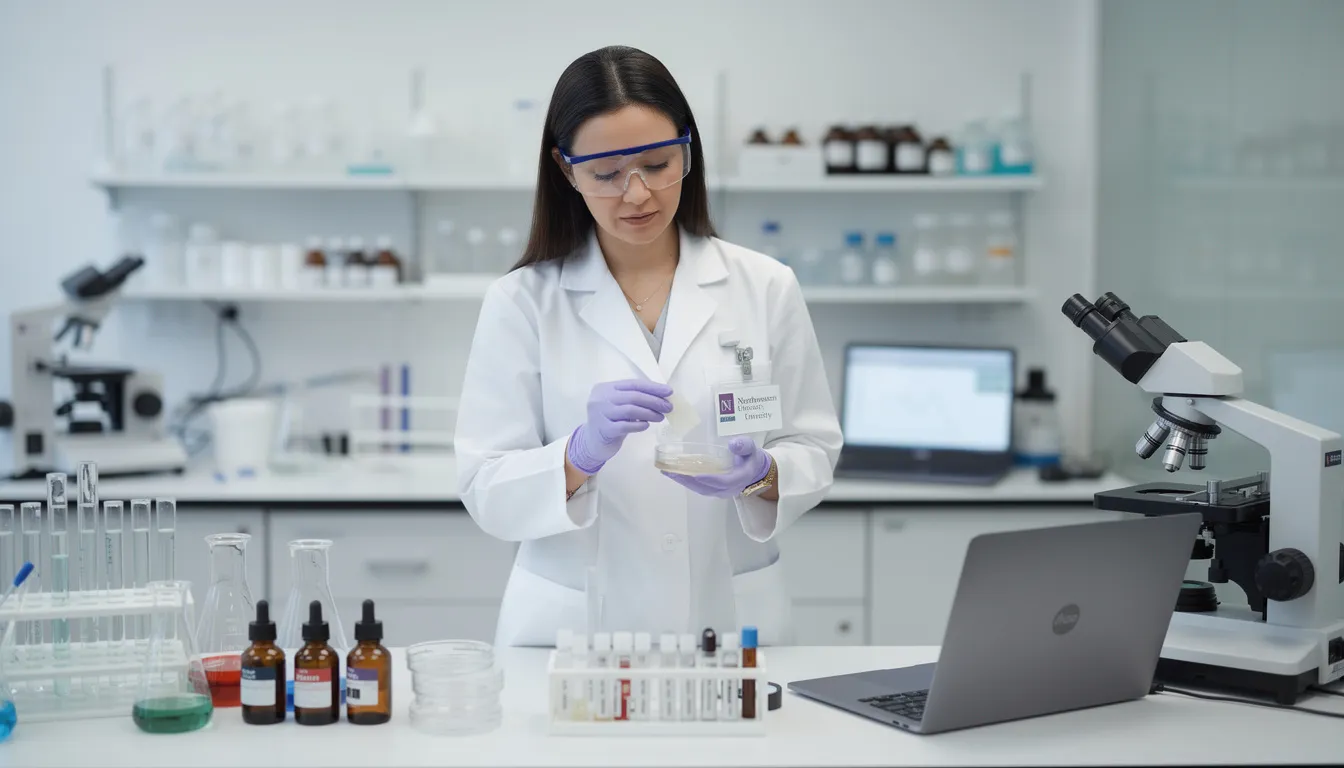
Retinoids and niacinamide emerged as the most universally recommended ingredients, with dermatologists agreeing on their effectiveness for aging skin, acne, and overall skin texture improvement. The study revealed that effective ingredients share common characteristics: robust clinical trial data, established safety profiles, and consistent results across diverse skin types.
Hyaluronic acid, vitamin C, and salicylic acid rounded out the top five most effective ingredients, each receiving high approval ratings from participating dermatologists. A northwestern medicine dermatologist explains that these ingredients work through well-understood mechanisms, making their effects predictable and reliable for everyday users.
The top 5 dermatologist-approved ingredients based on effectiveness ratings:
-
Retinoids (Retinol/Tretinoin) - 94% dermatologist approval
-
Niacinamide - 91% dermatologist approval
-
Hyaluronic Acid - 89% dermatologist approval
-
Vitamin C - 87% dermatologist approval
-
Salicylic Acid - 85% dermatologist approval
These rankings reflect both clinical efficacy and real-world patient satisfaction, providing a reliable foundation for building an effective skin care routine.
Anti-Aging Powerhouse Ingredients
Anti aging ingredients focus on stimulating collagen production, reducing fine lines and wrinkles, and improving overall skin firmness. The most powerful anti-aging actives work by accelerating cellular turnover and supporting the skin’s natural repair mechanisms.
Retinoids: The Gold Standard for Aging Skin
Retinoids, derivatives of vitamin A, represent the most scientifically validated anti aging ingredients available. These compounds work by binding to specific receptors in skin cells, triggering increased collagen production and accelerated cell turnover. Retinol, a form of vitamin A, is commonly found in many over-the-counter anti-aging skincare products. Fine lines and wrinkles visibly improve with consistent use, typically showing results within 8-12 weeks.
Prescription tretinoin offers the highest potency, while over-the-counter retinol provides gentler but still effective results. Topical retinoids, such as retinol and adapalene, are widely available over the counter and have been shown to significantly improve fine wrinkles. Start with lower concentrations to minimize skin irritation, gradually building tolerance over several weeks. Apply retinoids only at night, as sun exposure can reduce their effectiveness and increase frequency of adverse reactions.
Alpha Hydroxy Acids: Texture Transformers
Glycolic acid and lactic acid, the most common alpha hydroxy acids, work by dissolving bonds between dead skin cells on the top layer of skin. This gentle exfoliation reveals smoother, brighter skin underneath while stimulating collagen production in deeper layers.
Glycolic acid offers the strongest exfoliating power due to its small molecular size, making it ideal for improving wrinkles and fine lines. Lactic acid provides similar benefits with less potential for irritation, making it suitable for sensitive skin types. Both ingredients help skin retain moisture while improving overall texture.
Vitamin C: Collagen Support and Protection
L-ascorbic acid, the most potent form of vitamin C, stimulates collagen synthesis while providing powerful antioxidants protection against environmental damage. This dual action makes vitamin C essential for preventing new signs of aging while addressing existing concerns. Additionally, vitamin C can improve skin tone and assist with tissue repair, further enhancing its anti-aging benefits.
However, vitamin C’s instability can limit its effectiveness in many skincare products. Look for stabilized forms like magnesium ascorbyl phosphate or sodium ascorbyl phosphate for more reliable results. Apply vitamin C serums in the morning before sunscreen for maximum protective benefits.

Hydration Heroes for All Skin Types
Proper skin hydration forms the foundation of healthy skin, regardless of whether you have dry skin, oily skin, or sensitive skin. The best hydrating ingredients work by attracting moisture to the skin and preventing water loss through the skin barrier.
Hyaluronic Acid: The Ultimate Moisture Magnet
Hyaluronic acid can hold up to 1,000 times its weight in water, making it exceptionally effective for maintaining skin hydrated throughout the day. This naturally occurring substance decreases with age, making supplementation through skincare products crucial for maintaining skin firmness and plumpness. It also aids in boosting hydration and helps the skin stretch and flex, contributing to a more youthful appearance.
Unlike heavier moisturizers that can clog pores, hyaluronic acid provides intense hydration without contributing to breakouts, making it suitable for all skin types including acne-prone skin. Apply to damp skin for maximum absorption, then seal with a moisturizer to lock in the hydrating benefits.
Ceramides: Barrier Strengthening Essentials
Ceramides are fatty molecules that make up nearly 50% of the skin’s barrier function. These lipids help skin retain moisture while protecting against environmental irritants that can trigger inflammation or sensitivity reactions.
Depleted ceramide levels contribute to dry skin, sensitivity, and accelerated aging. Skincare products containing ceramides help restore barrier function, reducing water loss and improving the skin’s ability to protect itself from external stressors.
Glycerin: Time-Tested Hydration
Glycerin, a humectant present in countless skincare formulations, draws moisture from the environment into the skin. This ingredient has been used safely for decades, with extensive research supporting its role in maintaining healthy skin hydration levels.
Unlike some newer hydrating ingredients, glycerin works effectively across different climates and skin types. It’s particularly beneficial for those with compromised skin barriers or chronic dry skin conditions.
Squalane: Lightweight Oil Balance
Squalane mimics the skin’s natural oil production without clogging pores or causing breakouts. This lightweight oil provides lasting hydration while supporting the skin barrier’s natural function, making it suitable even for oily skin types.
Derived from plants rather than sharks, modern squalane offers sustainable hydration that absorbs quickly without leaving a greasy residue. It works particularly well for those seeking oil-based hydration without the weight of traditional face oils.
Acne-Fighting and Pore-Clearing Ingredients
Effective acne treatment requires ingredients that address multiple factors: excess oil production, clogged pores, bacterial overgrowth, and inflammation. The most successful acne-fighting ingredients target these issues without over-drying or irritating the skin.
Salicylic Acid: The Pore Penetrator
Salicylic acid, a beta hydroxy acid, uniquely penetrates oil-filled pores to clear blockages from within. Unlike alpha hydroxy acids that work on the skin surface, salicylic acid dissolves the keratin plugs that contribute to blackheads and whiteheads.
This ingredient also provides anti inflammatory properties, reducing the redness and swelling associated with active breakouts. Start with 0.5-1% concentrations to assess tolerance, gradually increasing to 2% for more stubborn acne concerns.
Benzoyl Peroxide: Bacterial Control
Benzoyl peroxide kills the Propionibacterium acnes bacteria responsible for inflammatory acne lesions. This ingredient also helps reduce oil production and provides mild exfoliation, making it highly effective for preventing future breakouts.
Available in concentrations from 2.5% to 10%, lower strengths often provide similar effectiveness with less potential for dryness and irritation. Use benzoyl peroxide in the morning and avoid combining with retinoids to prevent excessive skin irritation.
Niacinamide: Multi-Benefit Regulation
Niacinamide excels at regulating oil production without stripping the skin, making it ideal for those with oily skin who want to maintain hydration. This ingredient also reduces the appearance of large pores and provides anti inflammatory properties that calm active breakouts.
Research shows 5% niacinamide concentrations produce optimal results for oil control and pore refinement. Unlike more aggressive acne treatments, niacinamide rarely causes skin irritation and can be used twice daily.
Azelaic Acid: Gentle but Effective
Azelaic acid offers antibacterial and anti-inflammatory benefits with minimal irritation risk, making it suitable for sensitive skin prone to breakouts. This ingredient also helps reduce dark spots left behind by acne lesions, providing dual benefits for clearer, more even-toned skin.
Available in both prescription and over-the-counter formulations, azelaic acid can be used long-term without developing bacterial resistance, unlike some antibiotic treatments.
Brightening and Dark Spot Correcting Ingredients
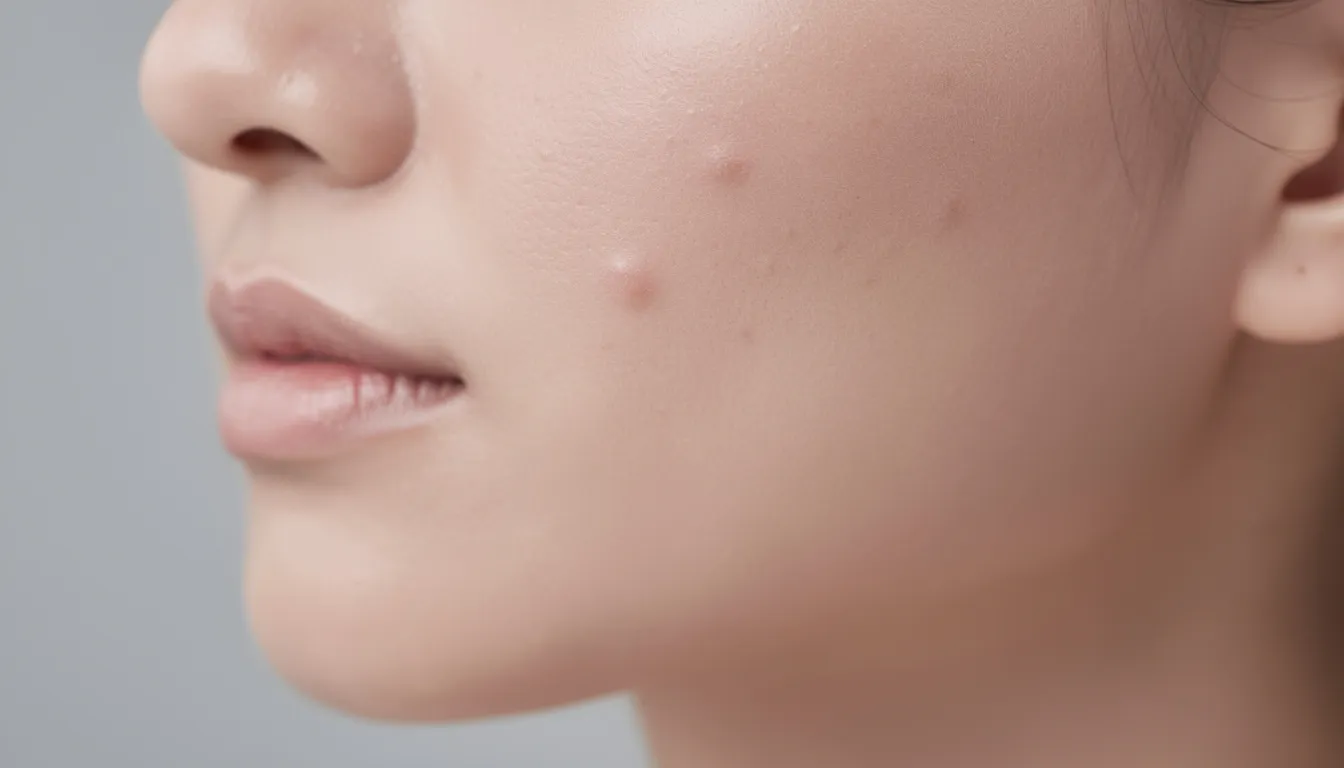
Hyperpigmentation, age spots, and uneven skin tone affect most adults at some point, making brightening ingredients essential components of comprehensive skin care routines. The most effective brightening actives work by inhibiting melanin production or accelerating cell turnover to reveal fresher, more even-toned skin.
Hydroquinone: The Clinical Gold Standard
Hydroquinone remains the most clinically validated ingredient for treating dark spots and melasma. This ingredient works by inhibiting tyrosinase, the enzyme responsible for melanin production, leading to gradual lightening of existing pigmentation.
Available in 2% concentrations over-the-counter and higher strengths by prescription, hydroquinone typically shows results within 6-12 weeks of consistent use. However, long-term use requires dermatologist supervision due to potential side effects with prolonged application.
Kojic Acid: Natural Alternative
Kojic acid, derived from fungi, offers gentler brightening action than hydroquinone while still providing effective results for mild to moderate dark spots. This ingredient works through similar tyrosinase inhibition but with lower risk of irritation or sensitivity reactions.
Particularly effective for post-acne marks and sun damage, kojic acid can be used long-term under dermatologist guidance. Concentrations typically range from 1-4%, with higher percentages requiring professional supervision.
Arbutin: Plant-Derived Brightening
Both alpha arbutin and beta arbutin provide melanin inhibition through natural plant compounds, offering effective brightening with minimal side effects. Alpha arbutin demonstrates superior stability and potency compared to beta arbutin, making it preferable for serious pigmentation concerns.
These ingredients work well in combination with vitamin C and gentle exfoliants to enhance overall brightening effects. Results typically appear after 6-8 weeks of consistent application.
Critical Sun Protection Requirements
All brightening treatments increase photosensitivity, making daily mineral sunscreen application absolutely essential. Sun exposure during brightening treatments can worsen existing dark spots and create new pigmentation, undermining treatment progress.
Dermatologists agree that combining brightening ingredients with inadequate sun protection often makes things worse rather than better. Use broad-spectrum SPF 30 or higher daily, regardless of weather conditions or indoor activities.
Gentle Ingredients for Sensitive Skin
Sensitive skin requires carefully selected ingredients that provide benefits without triggering irritation, redness, or inflammatory reactions. The most effective gentle ingredients offer therapeutic benefits while actively soothing and protecting compromised skin barriers.
Aloe Vera: Natural Anti-Inflammatory Relief
Aloe vera provides immediate soothing relief for irritated or inflamed skin while supporting natural healing processes. This plant extract contains polysaccharides and glycoproteins that reduce redness and promote skin repair without clogging pores.
Particularly beneficial after sun exposure or aggressive treatments, aloe vera can be used multiple times daily without building tolerance or losing effectiveness. Look for products containing at least 95% pure aloe vera for maximum therapeutic benefit.
Colloidal Oatmeal: FDA-Approved Skin Protection
Colloidal oatmeal holds FDA recognition as a skin protectant, providing clinical validation for its soothing and barrier-supporting properties. This ingredient contains beta-glucans and avenanthramides that reduce inflammation while strengthening the skin’s natural protective function.
Effective for conditions like eczema, dermatitis, and general sensitivity, colloidal oatmeal provides both immediate relief and long-term barrier improvement. It’s particularly valuable for those whose sensitive skin prevents use of more active ingredients.
Centella Asiatica: Asian Beauty Wisdom
Centella asiatica, also known as tiger grass, has gained recognition for its powerful anti inflammatory properties and ability to accelerate skin healing. This ingredient contains madecassoside and asiaticoside compounds that calm irritation while promoting healthy cell regeneration.
Originally popularized in Korean skincare, centella asiatica now appears in many Western formulations designed for sensitive skin types. It works well in combination with other gentle ingredients without increasing irritation risk.
Panthenol: Pro-Vitamin B5 Benefits
Panthenol converts to vitamin B5 in the skin, providing both humectant properties and anti-inflammatory benefits. This ingredient helps skin retain moisture while reducing irritation from other active ingredients or environmental stressors.
Particularly valuable for those building tolerance to stronger actives like retinoids or alpha hydroxy acids, panthenol can be used throughout the day to maintain comfort and hydration.
Antioxidant Protectors
Environmental stressors including UV radiation, pollution, and free radicals accelerate skin aging and contribute to various skin concerns. Powerful antioxidants provide protective benefits that prevent damage while supporting the skin’s natural repair mechanisms. Sunscreen provides broad-spectrum UV protection, which is the most effective way to prevent premature skin aging and skin cancer, making it an essential part of any skincare routine.
Vitamin E: Fat-Soluble Protection
Vitamin E works synergistically with vitamin C to provide comprehensive antioxidant protection against UV damage and environmental pollutants. This fat-soluble vitamin integrates into cell membranes, providing sustained protection against lipid peroxidation.
Most effective when combined with other antioxidants, vitamin E enhances the stability and effectiveness of vitamin C while providing its own protective benefits. Look for tocopherol or mixed tocopherols in ingredient lists for optimal potency.
Green Tea Extract: Polyphenol Power
Green tea extract contains high concentrations of epigallocatechin gallate (EGCG) and other polyphenols that protect against both UV damage and pollution-induced skin stress. These compounds also provide anti inflammatory properties that calm existing irritation.
Research shows green tea extract can help prevent collagen breakdown while supporting healthy cellular function. It’s particularly beneficial for those living in urban environments with high pollution exposure.
Resveratrol: Anti-Aging Protection
Found naturally in grapes and berries, resveratrol provides potent antioxidant activity that supports cellular longevity and reduces signs of aging. This compound works at the cellular level to protect DNA and support healthy cell division.
Particularly effective for mature skin, resveratrol works well in evening formulations combined with retinoids or other anti aging ingredients. Its anti inflammatory properties also make it suitable for sensitive skin types.
Ferulic Acid: Stability Enhancement
Ferulic acid not only provides antioxidant protection but also stabilizes vitamin C, making combined formulations more effective and longer-lasting. This ingredient offers photoprotective benefits while enhancing the efficacy of other antioxidants.
Most commonly found in vitamin C serums, ferulic acid helps prevent oxidation while providing its own protective benefits. This makes it valuable for those seeking maximum antioxidant protection from their skincare products.
How to Choose the Right Ingredients for Your Skin
Selecting the best skincare ingredients requires honest assessment of your primary skin concern and understanding how different actives work together. Rather than trying to address every issue simultaneously, focus on your most pressing need first, then gradually expand your routine.
Assess Your Primary Skin Concerns
Identify whether acne, aging, dryness, or sensitivity represents your main challenge. This determines which category of ingredients should form the foundation of your skin care routine. For combination concerns, prioritize the issue that affects your quality of life most significantly.
Common skin concerns and their primary ingredient solutions:
-
Acne/Oily Skin: Salicylic acid, benzoyl peroxide, niacinamide
-
Aging/Fine Lines: Retinoids, vitamin C, alpha hydroxy acids
-
Dry Skin: Hyaluronic acid, ceramides, glycerin
-
Dark Spots: Hydroquinone, kojic acid, arbutin
-
Sensitive Skin: Aloe vera, centella asiatica, niacinamide
Start with Single Actives
Introduce one new active ingredient at a time to assess tolerance and effectiveness. This approach prevents overwhelming your skin while allowing you to identify which ingredients provide the most benefit for your specific concerns.
Begin with 2-3 times per week application, gradually increasing frequency as your skin adapts. This methodical approach prevents the irritation that can occur when multiple new ingredients are introduced simultaneously.
Consider Your Skin Type
Your skin type influences both ingredient selection and formulation preferences. Oily skin typically tolerates higher concentrations of active ingredients, while dry skin may require more gentle formulations with additional hydrating components.
Key considerations by skin type:
-
Oily: Focus on gel or serum formulations; can handle higher active concentrations
-
Dry: Prefer cream or oil-based products; need additional moisturizing ingredients
-
Combination: Use different products on different areas; start with lower concentrations
-
Sensitive: Prioritize fragrance-free, minimal ingredient formulations
Understand Ingredient Interactions
Some ingredient combinations enhance effectiveness while others can cause irritation or reduced potency. Understanding these interactions helps you build a more effective skincare routine while avoiding problematic combinations.
Beneficial combinations:
-
Vitamin C + Vitamin E + Ferulic Acid
-
Retinoids + Hyaluronic Acid + Ceramides
-
Niacinamide + Salicylic Acid
Combinations to avoid:
-
Retinoids + Alpha Hydroxy Acids (same application)
-
Vitamin C + Retinoids (can reduce stability)
-
Multiple exfoliating acids simultaneously
Patch Testing Protocol
Before incorporating any new ingredient into your routine, perform a patch test on a small area of skin for 48-72 hours. This simple step can prevent widespread irritation from ingredients that don’t suit your particular skin chemistry.
Apply a small amount to your inner forearm or behind your ear, areas where skin sensitivity is similar to facial skin but reactions won’t be as visible. Look for redness, itching, burning, or other signs of adverse reactions before proceeding with facial application.
When to Consult a Dermatologist
Certain skin concerns require professional evaluation and prescription-strength ingredients for optimal results. Don’t hesitate to seek expert support when over-the-counter options haven’t provided adequate improvement after 12 weeks of consistent use.
Professional consultation becomes essential for:
-
Severe or cystic acne
-
Extensive hyperpigmentation or melasma
-
Signs of skin cancer or unusual growths
-
Persistent sensitivity or barrier damage
-
Desire for prescription-strength retinoids
A dermatologist can provide personalized ingredient recommendations based on your specific skin concerns, medical history, and lifestyle factors. They can also prescribe higher concentrations of proven ingredients like tretinoin or hydroquinone when appropriate.
The journey to healthier skin requires patience, consistency, and evidence-based ingredient selection. By focusing on scientifically validated ingredients and introducing them systematically, everyday users can achieve meaningful improvements in their skin’s appearance and health. Remember that the most effective ingredients work gradually, with visible results typically appearing after 6-12 weeks of consistent use.
Building an effective skincare routine isn’t about following trends or using the most expensive products—it’s about understanding which ingredients address your specific concerns and using them consistently. Start with the proven basics, add complexity gradually, and always prioritize sun protection to maintain your results long-term.


