


Introduction to Shower Oils
Shower oils are redefining what it means to cleanse and care for your skin. Unlike traditional soap or shower gel, these innovative cleansing products combine the power of nourishing oils—such as sweet almond and sunflower seed oils—with gentle cleansing agents to deliver a truly hydrating experience. As you massage a shower oil into your skin during your shower routine, you’ll notice how the formula transforms, washing away sweat, sebum, and daily impurities while leaving your skin feeling soft, supple, and deeply conditioned.
What sets shower oils apart is their ability to cleanse without stripping away your skin’s natural moisture. Thanks to their blend of sweet almond, sunflower seed oils, and other nourishing ingredients, these products not only remove dirt but also infuse your skin with lasting hydration. The result? Skin that feels noticeably smoother and softer after every shower—no tightness, no dryness, just a healthy, radiant glow.
Incorporating a shower oil into your daily routine is a simple way to elevate your self-care and achieve your softest skin yet. Whether you’re looking to soothe dry patches, maintain a healthy skin barrier, or enjoy a more luxurious shower experience, shower oils are a must-have for anyone seeking a gentler, more hydrating approach to body cleansing.
Key Takeaways
-
Shower oils cleanse while delivering intense hydration, transforming from oil to milky lather without stripping natural moisture.
-
Best for dry, sensitive, or eczema-prone skin during the winter months when traditional cleansers cause tightness
-
Key ingredients include sweet almond oil, jojoba oil, glycerin, and ceramides for maximum skin conditioning.
-
It's also important to consider other ingredients in shower oils, such as niacinamide or hyaluronic acid, which can provide extra skin benefits like calming and hydration, or, in some cases, may cause irritation for sensitive skin.
-
Can replace both body wash and moisturizer in your routine, saving time while delivering superior hydration
-
Available in liquid, solid, and dual-phase formulas to suit different preferences and skin needs
If your skin feels tight, dry, or irritated after every shower, your current cleansing product might be doing more harm than good. Traditional soap and body wash formulas often contain harsh chemicals that strip away your skin’s natural protective oils, leaving you reaching for body lotion immediately after toweling off. Enter shower oil – a revolutionary approach to body cleansing that combines the effectiveness of soap with the nourishing power of body oil.
This comprehensive guide will walk you through everything you need to know about shower oils, from understanding how they work to choosing the perfect formula for your specific skin type. Whether you’re dealing with winter dryness, sensitive skin, or want to upgrade your shower routine to something more luxurious, you’ll discover why dermatologists increasingly recommend these hydrating cleansers as a gentler alternative to conventional products.
What is Shower Oil and Why Your Skin Needs It
Shower oil represents a fundamental shift in how we think about cleansing. Unlike traditional body wash that relies heavily on surfactants to create foam and remove dirt, shower oil starts as a rich, nourishing oil that transforms into a gentle cleansing emulsion when it meets warm water. This unique formula transforms, allowing the product to cleanse effectively while simultaneously delivering intense moisture to your skin.

The primary benefit of shower oil lies in its ability to respect your skin’s natural barrier. While conventional soap can disrupt the acid mantle and strip away essential fatty acids, leaving skin feeling tight and uncomfortable, shower oil maintains the delicate pH balance your skin needs to stay healthy. This makes it particularly valuable for people with dry or sensitive skin, or those with conditions like eczema, where the skin barrier is already compromised.
Dermatologists have increasingly embraced shower oils since recognizing that many skin problems stem from over-cleansing and moisture loss. Research shows that harsh detergents can increase transepidermal water loss by up to 40%, while oil-based cleansers actually help improve barrier function over time. The growing popularity of these products reflects a broader understanding that healthy skin starts with gentle, nourishing cleansing.
The beauty of shower oil lies in its simplicity and effectiveness. Rather than fighting against your skin’s natural protective mechanisms, it works with them to remove impurities while simultaneously replenishing moisture. This approach can transform your shower routine from a necessary chore that leaves your skin dry and irritated into a luxurious, spa-like experience that leaves your skin soft, smooth, and hydrated.
How Shower Oils Work: The Science Behind Oil-to-Foam Technology
Understanding how shower oil works requires appreciating the elegant chemistry behind emulsification. When you apply pure oil to wet skin and begin massaging, the product's special emulsifiers allow the oil and water phases to blend, creating a milky, creamy texture that effectively cleanses while maintaining the oil’s moisturizing properties. As the oil emulsifies, it often releases pleasant aromas that enhance a more enjoyable, luxurious shower.
The magic happens at the molecular level. The oils in the formula – whether sweet almond oil, jojoba, or other nourishing ingredients – dissolve oil-based impurities, makeup residue, and sebum through the principle that “like dissolves like.” Meanwhile, the gentle surfactants work to lift away water-soluble dirt and debris. This dual-action approach means you get thorough cleansing without the aggressive stripping action of traditional detergents.
What sets high-quality shower oils apart is their formulation with mild, non-ionic surfactants rather than harsh sulfates found in most body wash products. These gentler cleansing agents create a silky foam that rinses cleanly, leaving no residue. At the same time, the oil component penetrates the upper layers of the stratum corneum, delivering immediate and lasting hydration.
The penetration mechanism is vital for understanding why shower oils are so effective for dry skin. The fatty acids in oils like sweet almond and sunflower seed oils have molecular structures similar to the lipids naturally found in healthy skin. This means they can integrate into the skin barrier, helping to repair damage and prevent moisture loss throughout the day.
Temperature plays a crucial role in this process. Warm water helps the emulsification process work more effectively, but water that’s too hot can actually counteract the moisturizing benefits by causing additional moisture loss. The ideal temperature allows the oils to spread easily and penetrate effectively while the gentle cleansing agents do their work.
Types of Shower Oil Formulas
Liquid Oil Cleansers
Traditional liquid shower oils represent the most popular and widely available format in this category. Products like Ollie Skincare shower oil exemplify this category, offering a pourable consistency that spreads easily across wet skin. These formulas typically contain a carefully balanced blend of nourishing oils, emulsifiers, and often include a subtle almond scent or other fragrance to enhance the sensory experience.
Liquid formulations excel in terms of ease of use and even distribution across large areas of the body. They work particularly well for daily use, as you can easily control the amount dispensed and adjust application based on your skin’s needs. The viscosity can range from light and flowing to rich and luxurious, with thicker formulas generally providing more intensive moisturization.
The advantage of liquid shower oils lies in their immediate availability for use – no warming or melting required. They typically come in pump or squeeze bottles, making dispensing hygienic and convenient, especially important in humid shower environments where bacteria can thrive.
Solid Oil Cleansers
Solid shower oil cleansers represent an innovative approach to oil cleansing, concentrated into a convenient solid format. These products, sometimes called cleansing pebbles or solid oil bars, contain higher concentrations of nourishing oils and typically require the warmth of your skin and running water to transform into their cleansing state.
The concentrated nature of solid formulas goes a long way. They’re particularly travel-friendly, as they won’t leak or spill, and many people find the ritual of warming the product in their hands before application adds to the luxurious experience. Solid oils often contain ingredients like shea butter or coconut oil that remain solid at room temperature but melt beautifully on warm skin.
These formulas are ideal for people who want intensive moisture treatment or who prefer a more sustainable option, as solid products typically require less packaging and last longer than their liquid counterparts. They’re especially beneficial during winter months when skin needs extra nourishment to combat dry air from heating systems.
Dual-Phase Formulas
Dual-phase shower oils represent the most advanced formulations in this category, featuring separate oil and water phases that activate when shaken or mixed. These products offer both immediate cleansing action and deep hydration in one sophisticated formula that adapts to different skin needs.
The innovation behind dual-phase formulas lies in their ability to provide gentle cleansing from the water phase and intensive conditioning from the oil phase. When you shake the bottle, the two phases temporarily combine, but they separate again at rest, maintaining the stability and effectiveness of each component.
These advanced formulations often include additional beneficial ingredients, such as vitamin E, essential oils, or plant extracts, that enhance overall skin benefits. They’re particularly effective for people who want the convenience of one product that can serve multiple functions in their shower routine.
Choosing the Right Shower Oil for Your Skin Type

When choosing the right shower oil for your skin type, it's essential to consider not just the ingredients and hydration level, but also how it smells. The scent can play a significant role in your selection, as preferences and sensitivities to fragrance vary widely.
Dry and Dehydrated Skin
If you struggle with dry skin that feels tight after showering, you’ll want to look for shower oils rich in occlusive and emollient ingredients. Sweet almond oil stands out as an exceptional choice for dry skin due to its high levels of oleic acid and vitamin E, which help repair the skin barrier and provide long-lasting hydration.
Formulas containing shea butter, avocado oil, or argan oil provide additional nourishment for severely dry skin. These ingredients are particularly effective because they contain ceramides and fatty acids that mimic your skin’s natural lipid structure, enabling better penetration and barrier repair. Avoid any products containing sulfates, alcohol, or synthetic fragrances, as these can further compromise already-damaged skin.
Look for fragrance-free options if your dry skin is also sensitive, as compromised skin barriers can react to even mild scents. The goal is to choose products that will leave your skin feeling soft and comfortable for hours after your shower, potentially eliminating the need for additional body lotion.
Sensitive and Eczema-Prone Skin
Sensitive skin requires the gentlest possible cleansing approach, making shower oil an excellent choice when formulated correctly. Look specifically for fragrance-free products that contain soothing ingredients like oat kernel oil or thermal spring water. The National Eczema Association recommends oil-based cleansers for people with atopic dermatitis because they’re less likely to trigger flares than traditional soap.
Ingredients to seek out include glycerin for its humectant properties, ceramides for barrier repair, and anti-inflammatory compounds like bisabolol or allantoin. These ingredients work together to cleanse without irritating while actively supporting the skin’s healing process. Products containing prebiotics or probiotics can also help maintain a healthy skin microbiome.
Before committing to any new product, perform a patch test on a small area of skin and wait 24-48 hours to check for any reaction. Even gentle shower oils can cause reactions in highly sensitive individuals, so this precaution is essential to avoid widespread irritation.
Acne-Prone and Oily Skin
While it might seem counterintuitive, people with oily or acne-prone skin can benefit significantly from shower oils when the correct formulation is chosen. The key is selecting non-comedogenic oils that won’t clog pores while still providing the barrier support that even oily skin needs. Jojoba oil is technically a wax ester that closely mimics skin’s natural sebum, making it an excellent choice for this skin type.
Grape seed oil and sunflower seed oils are other excellent options for acne-prone skin, as they’re lightweight, absorb quickly, and contain linoleic acid, which can help balance sebum production. Avoid coconut oil, which, despite its popularity, can be comedogenic for many people and may exacerbate acne.
Look for formulas that include salicylic acid or niacinamide, which can provide gentle exfoliation and anti-inflammatory benefits while you cleanse. These ingredients help prevent clogged pores while the oils support overall skin health. Remember that even oily skin needs moisture – often, excessive oil production is the skin’s response to being stripped of its natural oils by harsh cleansers.
Key Ingredients to Look For in Quality Shower Oils
Nourishing Base Oils
The foundation of any excellent shower oil lies in its base oil blend. Sweet almond oil deserves particular attention for its exceptional skin-softening properties and rich vitamin E content, which provides antioxidant protection while deeply moisturizing. Its molecular structure allows for excellent penetration without leaving a heavy, greasy feeling, making it suitable for most skin types.
Jojoba oil, technically a liquid wax, offers unique benefits because it so closely resembles human sebum. This similarity means it absorbs beautifully into skin without clogging pores, making it valuable even for those with combination or slightly oily skin. It also has natural antimicrobial properties that can help maintain skin health.
Sunflower seed oils offer powerful antioxidant protection through their high vitamin E content and provide gentle cleansing action. These oils are particularly beneficial for mature skin because they support collagen production and help protect against environmental damage. Argan oil, when included, adds intensive anti-aging benefits through its unique combination of fatty acids and fat-soluble vitamins.
The quality and processing of these oils matter significantly. Cold-pressed, unrefined oils retain more of their beneficial compounds compared to heavily processed alternatives. Look for products that specify their oil sources and processing methods, as this transparency usually indicates higher quality formulations.
Skin-Supporting Actives
Beyond base oils, the most effective shower oils incorporate skin-supporting active ingredients that provide additional benefits. Glycerin functions as a humectant, drawing moisture from the environment and binding it to your skin, creating longer-lasting hydration that extends well beyond your shower.
Ceramides have become increasingly popular in body care formulations because they’re identical to the lipids naturally found in healthy skin barriers. When included in shower oils, they help repair damaged barriers and prevent future moisture loss, making them particularly valuable for people with dry or sensitive skin conditions.
Niacinamide (vitamin B3) offers anti-inflammatory benefits that can soothe irritation while improving skin texture over time. It’s particularly beneficial for people with sensitive skin or those prone to ingrown hairs, as it helps calm inflammation and supports healthy cell turnover.
When properly stabilized in oil formulations, Vitamin C provides brightening benefits and additional antioxidant protection. While more commonly found in facial products, vitamin C in body oils can help improve overall skin radiance and protect against environmental stressors.
Gentle Cleansing Agents
The surfactants used in shower oils make the difference between a product that cleanses gently and one that strips your skin. Look for natural surfactants derived from coconut and palm that provide effective cleansing without the harshness of sulfates. These plant-based cleansing agents create a rich, creamy lather that feels luxurious while respecting your skin’s natural pH.
pH-balanced systems are crucial for maintaining your skin’s acid mantle, which protects against harmful bacteria and maintains optimal barrier function. High-quality shower oils are formulated to match your skin’s natural pH of approximately 5.5, supporting rather than disrupting your skin’s protective mechanisms.
The preservation system also matters for both product safety and skin compatibility. Look for products that use mild preservatives in minimal concentrations, as these are less likely to irritate while still ensuring the product remains safe throughout its shelf life.
How to Use Shower Oil: Step-by-Step Application Guide
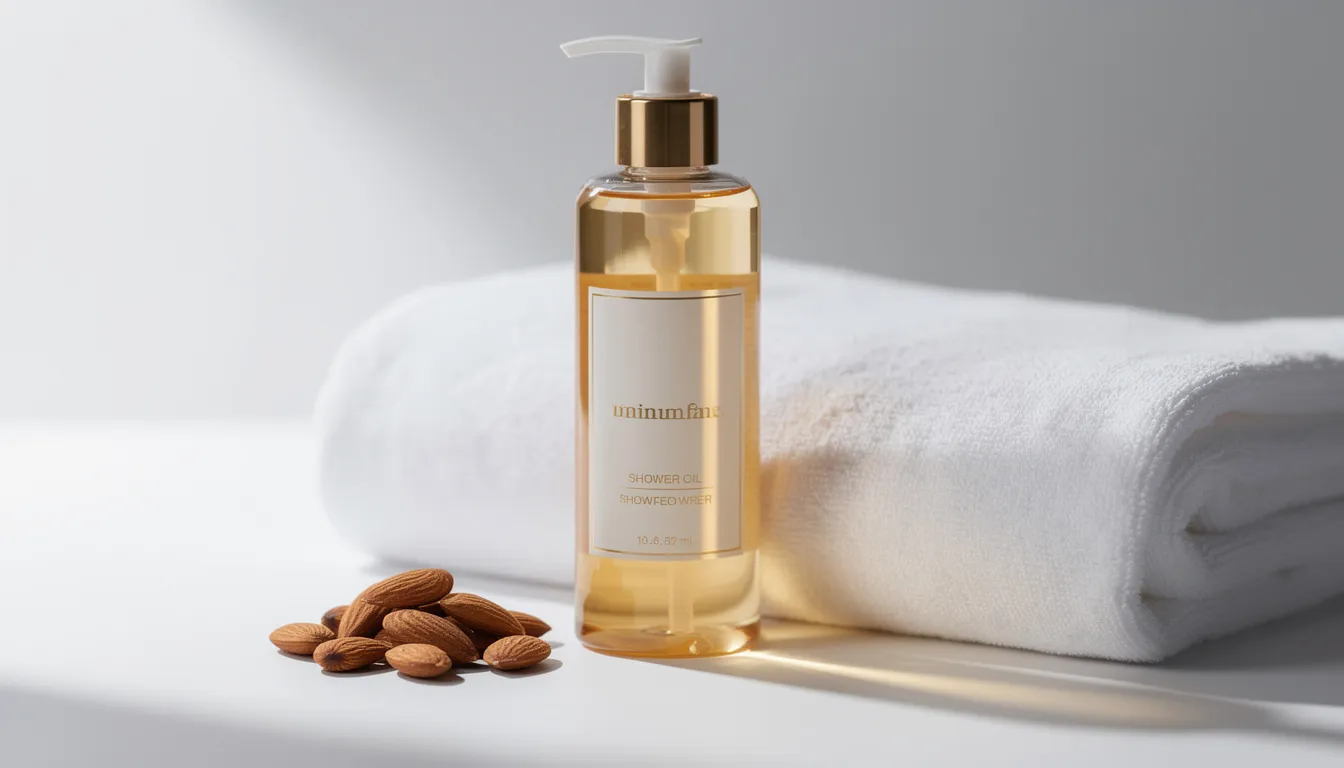
Proper application technique can significantly impact the effectiveness of your shower oil, so it’s worth taking time to master the process. Start by stepping into your shower and letting warm water lightly dampen your skin. The goal is to have skin that’s moist but not completely saturated, as this allows for better emulsification of the oil.
Dispense 1-2 pumps of shower oil into your palm, then massage it onto your skin in circular motions. Start with your arms and work your way across your entire body, paying special attention to drier areas, such as elbows, knees, and heels. The massage should be gentle but thorough, allowing time for the oils to penetrate and the cleansing agents to work.
As you massage, gradually add small amounts of warm water to your skin. You’ll notice the formula transform from pure oil into a milky emulsion – this is the emulsification process working perfectly. The running water helps this transformation while ensuring the product will rinse cleanly without leaving residue.
Continue massaging for 30-60 seconds to allow the nourishing ingredients to penetrate your skin thoroughly. This contact time is crucial for receiving the maximum moisturizing benefits. Unlike traditional soap, which works immediately, shower oil benefits from a slightly longer application time.
Rinse thoroughly with lukewarm water, using your hands to help ensure all the product is removed. The water temperature is important – too hot, and you’ll undo some of the moisturizing benefits; too cool, and the product won’t rinse as effectively. After rinsing, pat your skin dry with a clean towel rather than rubbing vigorously.
After drying, assess whether your skin needs additional moisturizer. Many people find that shower oil provides sufficient hydration on its own, particularly during milder weather. However, during winter months or in arid climates, you might still benefit from a light application of body lotion to the driest areas.
Benefits of Incorporating Shower Oil into Your Routine
The most immediate and noticeable benefit of using shower oil is the dramatic improvement in skin hydration that can last 12-24 hours after your shower. Unlike traditional cleansers, which can leave skin feeling tight within hours, shower oil provides sustained moisture, keeping skin soft and comfortable throughout the day.
This enhanced hydration often eliminates or significantly reduces the need for separate body lotion, streamlining your routine while saving both time and money. For busy individuals, this combination of cleansing and moisturizing in a single step can be a game-changer, particularly in the morning when time is limited.
Within 1-2 weeks of consistent use, most people notice improvements in overall skin texture and appearance. The gentle cleansing action and regular oil treatment help repair minor barrier damage, leading to smoother, more supple skin. This is particularly noticeable in rough or dry areas, such as elbows, knees, and heels.
Shower oil provides excellent protection against environmental stressors that can damage skin throughout the day. The protective film left by the oils helps shield skin from pollution, wind, and dry air, making it particularly valuable for people who spend time outdoors or live in harsh climates.
Regular use supports enhanced skin barrier function over time, creating a positive cycle where healthier skin better retains moisture and resists irritation. This is especially beneficial for people with conditions like eczema, where barrier dysfunction contributes to ongoing skin problems.
Beyond the physical benefits, many people find that shower oil transforms their daily routine into a luxurious, spa-like experience. The rich textures, often enhanced with warm vanilla or lavender scent, can provide aromatherapy benefits that help reduce stress and promote relaxation.
Luxury Shower Oils
For those who crave a truly indulgent shower routine, luxury shower oils offer an unparalleled sensory experience. These premium formulas are crafted with the finest nourishing oils—think sweet almond oil, grape seed, and essential oils—blended to create a decadent almond or warm vanilla aroma that envelops your senses. The best shower oils in this category, such as the iconic L’Oréal Paris almond shower oil, are renowned for their silky foam and rich, transformative textures that leave your skin feeling soft, pampered, and deeply moisturized.
Luxury shower oils often feature subtle almond, lavender, or even hints of jasmine, turning your daily cleanse into a spa-like ritual. The mouth-watering fragrances and lush, oil-to-milk formulas make every shower feel like a treat, while the high concentration of fatty acids and vitamin E leave your skin radiant and nourished. These products are perfect for anyone who wants to elevate their beauty routine and enjoy noticeable results, especially during the winter months when skin needs extra care.
From beautifully designed bottles to the smooth, creamy lather that glides effortlessly over your body, luxury shower oils transform the ordinary into the extraordinary. If you’re seeking the best shower experience and want your skin to feel deeply moisturized and soft, investing in a high-end body oil cleanser is a decision your skin will thank you for.
Budget-Friendly Shower Oils
You don’t have to spend a fortune to enjoy the hydrating benefits of shower oils. There are plenty of budget-friendly options that deliver gentle cleansing and skin-softening results for all skin types. These affordable shower oils often feature plant-based formulas with nourishing ingredients like sunflower seed oil, sweet almond oil, and glycerin, ensuring your skin stays moisturized without irritation.
When shopping for a wallet-friendly shower oil, look for fragrance-free or lightly scented options, which are ideal for sensitive skin. Many drugstore brands now offer in-shower moisturizer options that rival more expensive counterparts, providing a smooth, creamy texture and a gentle lather that rinses clean. These formulas are often free from harsh chemicals, making them suitable for daily use—even for those with dry or easily irritated skin.
Budget shower oils can be a great way to introduce your skin to the benefits of oil-based cleansing without a big commitment. With consistent use, you’ll notice your skin feeling softer, more hydrated, and less prone to dryness, proving that you don’t need to splurge to achieve beautiful, healthy skin.
Common Mistakes to Avoid When Using Shower Oils
One of the most frequent mistakes people make when first using shower oil is applying too much product, thinking that more will provide better results. However, shower oils are highly concentrated, and using excessive amounts can leave a residue that feels uncomfortable and may not rinse thoroughly. Start with less than you think you need and gradually increase if necessary.
Applying shower oil to dehydrated skin is another standard error that can impact effectiveness. The emulsification process works best when skin is already slightly damp, allowing the oil and water to blend properly. Dry application can cause the oil to sit on the skin rather than transform into the cleansing emulsion.
Using water that’s too hot is a mistake that can counteract many of the shower oil's moisturizing benefits. While warm water helps with emulsification, excessive heat strips natural oils from the skin and increases transepidermal water loss, working against the hydrating effects you’re trying to achieve.
Not allowing sufficient contact time is another issue that prevents people from experiencing the full benefits of shower oil. Unlike traditional soap, which works immediately, shower oils need 30-60 seconds of massage time to allow the nourishing oils to penetrate and deliver maximum benefit.
For people with acne-prone skin, choosing products containing comedogenic ingredients like coconut oil can exacerbate acne rather than improve it. It’s essential to research ingredients and choose formulations appropriate for your specific skin type rather than assuming all shower oils are the same.
Switching products too frequently without allowing an adjustment period can prevent you from seeing the actual benefits of shower oil. Your skin needs time to adapt to new products and repair existing damage. Give any new shower oil at least 2-3 weeks of consistent use before determining its effectiveness.
When to Use Shower Oil vs Traditional Cleansers
The winter months offer ideal conditions for incorporating shower oil into your routine, as indoor heating systems significantly reduce humidity, leaving skin more prone to dryness and irritation. During these months, the extra moisture and barrier protection provided by shower oil can prevent the uncomfortable tightness and flaking that many people experience.
After sun exposure or swimming in chlorinated pools, shower oil provides superior restoration compared to traditional cleansers. UV radiation and chlorine both damage the skin barrier, and the nourishing ingredients in shower oil can help repair this damage while providing the moisture skin desperately needs after these exposures.
Hormonal changes that affect skin moisture levels, such as menopause or pregnancy, create situations where shower oil can provide significant benefits over traditional cleansers. These hormonal fluctuations can disrupt normal oil production and barrier function, making the gentle, nourishing approach of shower oil particularly valuable.
Certain medications, particularly acne medications, blood pressure medications, and antihistamines, can cause significant skin dryness as a side effect. When dealing with medication-induced dry skin, shower oil can help counteract these effects while providing the gentle cleansing that compromised skin needs.
Post-shaving care is another area where shower oil excels over traditional products. The combination of moisture and gentle cleansing helps prevent irritation and ingrown hairs while soothing skin that’s been sensitized by shaving. This makes shower oil an excellent choice for people who regularly shave their legs, underarms, or other body areas.
As part of an evening routine focused on intensive skin repair, shower oil provides the perfect foundation for overnight skin recovery. The nourishing ingredients continue working while you sleep, supporting the skin’s natural repair processes, which are most active during rest.
FAQ
Can shower oils clog drains?
High-quality shower oils are specifically formulated with emulsifiers that allow them to rinse cleanly and shouldn’t clog drains when used as directed. The oils transform into a milky emulsion that flows effortlessly down the drain. However, using excessive amounts or very thick formulations can lead to buildup over time, so it’s essential to use the recommended amount and ensure thorough rinsing.
Are shower oils suitable for all ages?
Most shower oils are safe for adults and children over 3 years old, but baby-specific formulas are designed for infants with more delicate skin. Products from brands like Mustela create specialized formulations for babies, but always consult with pediatricians before using any new products on babies under 6 months old, as their skin barrier is still developing.
Can I use shower oil on my face?
Some gentle shower oils, particularly those that are fragrance-free and formulated with non-comedogenic ingredients, can be safe for face and body use. Still, you should always check the product label first. Most shower oils are formulated specifically for body use and may be too rich for facial skin, which has different needs and sensitivities than body skin.
How long does a bottle of shower oil typically last?
A standard 200ml bottle typically lasts 4-6 weeks with daily use, as you need significantly less product compared to traditional body wash – usually just 1-2 pumps per shower. Larger 500ml bottles can last 2-3 months with regular use. The concentrated nature of these products means they offer good value despite often having higher upfront costs than conventional cleansers.
Will shower oil interfere with my fake tan?
Oil-based cleansers can fade self-tanning products faster than gel cleansers because oils can break down the tanning agents. If you regularly use fake tan, opt for gentle, tan-extending formulas or use shower oil sparingly during tan maintenance periods. Alternatively, you can use shower oil between tanning applications to keep your skin in optimal condition for better tan application and longevity.
Conclusion / Final Thoughts
Switching to a shower oil is one of the simplest ways to transform your daily shower routine into a moment of proper self-care. With their blend of nourishing oils, hydrating ingredients, and gentle cleansing action, shower oils deliver noticeable results—leaving your skin soft, radiant, and beautifully moisturized. Whether you opt for a luxurious formula with a decadent almond or warm vanilla scent, or a budget-friendly, fragrance-free option, there’s a shower oil out there for every skin type and preference.
Embrace the beauty of a cleansing product that not only washes away the day but also infuses your skin with lasting moisture and comfort. Say goodbye to tight, dry skin and hello to a new level of softness and glow. Your best shower—and your best skin—are just a bottle away.


