


Key Takeaways
-
Slugging is a skincare technique that involves applying petroleum jelly or similar occlusive ointment as the final step in your nighttime routine to lock in moisture
-
The method creates a protective layer that prevents transepidermal water loss and helps repair damaged skin barriers, making it especially beneficial for dry skin and sensitive skin
-
While generally safe and non-comedogenic, slugging may not be suitable for acne prone skin types due to potential pore-clogging concerns
-
Best results are achieved when using pure petroleum jelly products like Vaseline, CeraVe Healing Ointment, or Aquaphor 1-3 times per week
-
Slugging is typically recommended 1-2 times a week, especially during dry winter months, when skin tends to lose more moisture
-
The technique gained popularity through K beauty trends and social media platforms like TikTok and Reddit, and is now considered one of the most popular skincare trends, with many people incorporating slugging into their routines as a trending practice, though dermatologists have long recommended similar occlusive treatments
What Is Slugging?
Slugging is a viral skincare trend that involves applying a thin layer of occlusive ointment, typically petroleum jelly, over your moisturizer before bed. The name comes from the shiny, slug-like appearance your skin takes on after application - hence the somewhat unflattering but memorable moniker. This shiny effect is often referred to as the "slime" factor, adding to the trend's quirky appeal.
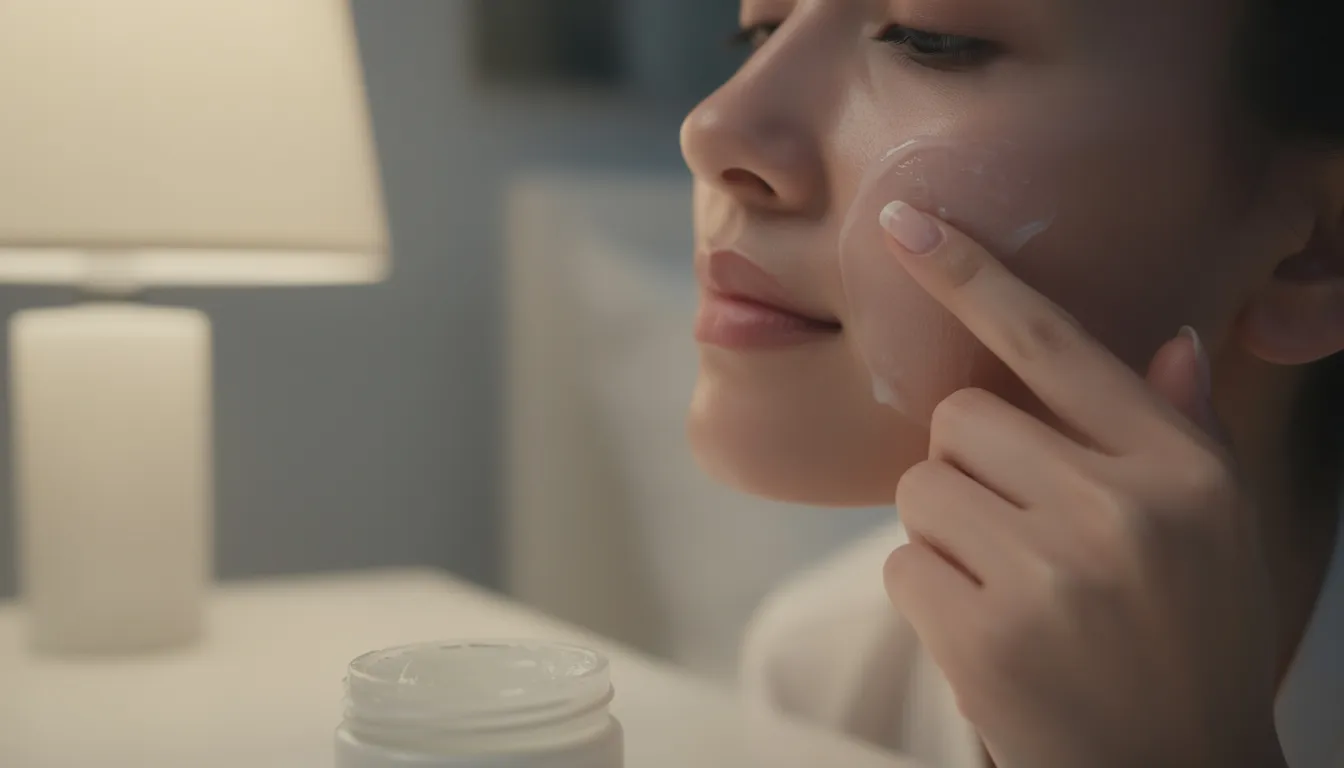
While this skincare technique may seem like a recent internet phenomenon, it actually has deep roots in dermatology. Board certified dermatologist recommendations for petrolatum-based treatments date back decades, but the practice gained viral status through K beauty influences and social media platforms since 2014. Slugging is now recognized as one of the most notable recent skincare trends, with many people incorporating it into their routines to keep up with the latest in skincare. The technique promises to help achieve that coveted “glass skin” appearance - the smooth, dewy, translucent look that’s become synonymous with healthy skin.
The goal of slugging skincare is simple: create an impermeable barrier that locks in moisture and allows your skin barrier to repair itself overnight. During sleep, when your skin’s natural regeneration process is most active, this protective layer helps maintain optimal hydration levels and enhances the effectiveness of your entire skincare routine.
How Does Slugging Work?
The science behind slugging centers on preventing transepidermal water loss - basically, stopping moisture from escaping your skin. When you apply an occlusive like plain Vaseline or another petrolatum based occlusive, you’re creating a seal over your skin’s surface that can reduce water loss by up to 99% according to research cited by the Cleveland Clinic.
This protective barrier works differently than regular moisturizers. While humectants like hyaluronic acid draw moisture to your skin and emollients smooth its texture, occlusives physically block water from evaporating. Think of it as wrapping your entire face in an invisible moisture-preserving film that works while you sleep.
The process enhances your skin’s natural repair mechanisms. During nighttime, your skin increases cell turnover and collagen production. By maintaining optimal hydration levels, slugging creates the ideal environment for these healing processes to occur. The occlusive ointment also helps seal in any active ingredients from skincare products you’ve applied underneath, potentially boosting their effectiveness.
For people with compromised skin barriers - whether from environmental damage, harsh skincare products, or conditions like eczema - this technique provides the consistent moisture needed for proper healing. Slugging can help break the cycle of skin barrier damage and repair by supporting the restoration of the skin's protective functions, especially after practices like exfoliation that may break the barrier and lead to dryness or irritation. The barrier function improves over time, leading to healthier, more resilient skin.
Benefits of Slugging for Your Skin
The immediate benefits of slugging are often noticeable after just one night. Your skin feels softer, looks plumper, and maintains hydration for up to 24 hours. This instant gratification explains why the technique has become such a popular skincare trend on social media platforms.
Long-term benefits include significant improvements in skin barrier function. For those with really dry skin, regular slugging can help restore the skin’s natural protective mechanisms. The consistent moisture creates optimal conditions for dead skin cells to shed properly, revealing smoother skin underneath. Many people notice improved skin texture, reduced flakiness, and a more even complexion after incorporating slugging into their skincare routine.
Slugging is not just for the face—it can also be used on the body. Applying this technique to areas like the hands, feet, elbows, and knees helps deeply hydrate and repair dry or damaged skin in these regions.
The technique is particularly beneficial during harsh weather conditions. Winter months, dry climates, or environments with air conditioning can strip moisture from your skin faster than your natural barrier can replenish it. Slugging provides an extra layer of protection against these challenging conditions. Conversely, it may be less necessary in humid conditions where the skin retains moisture more effectively.
For individuals dealing with irritation from active ingredients like alpha hydroxy acids or beta hydroxy acids, slugging on alternate nights can provide relief while allowing your skin to recover. The healing ointment creates a buffer that soothes inflammation while supporting the skin’s natural healing process.
Who Should Try Slugging?
Slugging works best for people with dry, dehydrated, or sensitive skin types. If you wake up with tight, flaky skin despite using moisturizer, slugging might be exactly what your skincare routine needs. The technique is particularly helpful for those whose skin barrier has been compromised by harsh products, environmental factors, or medical conditions.
People with eczema, dermatitis, or other inflammatory skin conditions often find relief through slugging. The protective layer helps prevent further irritation while supporting the skin’s natural healing process. Many dermatologists recommend similar occlusive treatments for these conditions, making slugging a accessible at-home version of professional recommendations.
The technique is also beneficial during transitional periods in your skincare routine. When introducing new active ingredients or adjusting to seasonal changes, slugging can provide extra support for your skin barrier. It’s like giving your skin a chance to catch its breath and rebuild its defenses.
Who Should Avoid Slugging?
Unfortunately, slugging isn’t suitable for everyone. People with acne prone skin types should approach this technique with caution. While petroleum jelly itself is non-comedogenic and won’t clog pores, trapping oils and bacteria against acne prone skin can potentially worsen breakouts.
If you’re currently dealing with active acne, especially cystic or inflammatory types, avoid slugging until your skin clears. The occlusive barrier can interfere with your skin’s natural oil production and make it harder for your skin to breathe and heal properly.
Those prone to milia - small white bumps that can form when dead skin cells get trapped - should also be cautious. The heavy occlusive nature of slugging products can sometimes contribute to these formations, particularly around the delicate eye area.
If you’re unsure about your skin type or have persistent skin concerns, consult with a board certified dermatologist before adding slugging to your routine. They can help determine whether this technique aligns with your specific skin needs and current treatment plan.
How to Do Slugging: Step-by-Step Guide
Successful slugging starts with completing your usual evening skincare routine first. Begin with thorough cleansing to remove makeup, sunscreen, and daily impurities. Your skin should be completely clean before applying any additional products. Cleansing ensures that dirt, oil, and makeup are removed, creating a clean base for the occlusive layer to work effectively.
Follow your normal skincare steps: toner, serums, and moisturizer. Allow each product to absorb fully before moving to the next step. This usually takes about 15-20 minutes. The key is ensuring your skin isn’t still damp or tacky when you apply the occlusive layer.
Take a pea sized amount of your chosen slugging product - remember, a little goes a long way. Warm it between your palms if needed to make application easier. Apply the product in a thin, even layer across your entire face, focusing on areas that tend to be particularly dry. Some people prefer to avoid the eye area initially to prevent any potential irritation or difficulty removing the product.
After application, wait at least 30 minutes before lying down. This prevents product transfer to your pillowcase and allows the occlusive to settle properly on your skin. To protect your bedding, consider placing a clean towel over your pillow. To prevent hair from sticking to your skin or pillow during the night, tie your hair back or use a nightcap. Consider placing a clean towel over your pillow or using a silk pillowcase to minimize any potential mess.
In the morning, cleanse your face thoroughly with a gentle foaming cleanser to remove any residual product. Your skin should feel soft and hydrated, ready for your morning skincare routine.
Important Pre-Slugging Considerations
Timing matters when it comes to active ingredients. Avoid using strong actives like retinol, alpha hydroxy acids, beta hydroxy acids, or other exfoliating treatments on nights when you plan to slug. The occlusive barrier can intensify these ingredients, potentially causing irritation or sensitivity.
Instead, focus on hydrating and soothing products underneath your slugging layer. Hyaluronic acid, ceramides, and gentle moisturizers work beautifully as base layers. Think of slugging as the final step that seals in all the good stuff you’ve applied.
Always patch test new products before applying them to your entire face. Apply a small amount to your inner arm or behind your ear and wait 24-48 hours to ensure you don’t have an adverse reaction. This is especially important if you have sensitive skin or a history of product sensitivities.
Best Products for Slugging
Plain Vaseline remains the gold standard for slugging. It’s pure petroleum jelly that’s FDA-regulated and USP-grade, ensuring consistent quality and safety. The simplicity of the formula means minimal risk of reactions, making it suitable for most skin types who can tolerate slugging.
CeraVe Healing Ointment offers an enhanced formula that combines the occlusive benefits of petroleum jelly with additional skin-loving ingredients like ceramides and hyaluronic acid. This option provides extra hydration and barrier support, making it particularly beneficial for compromised skin barriers.
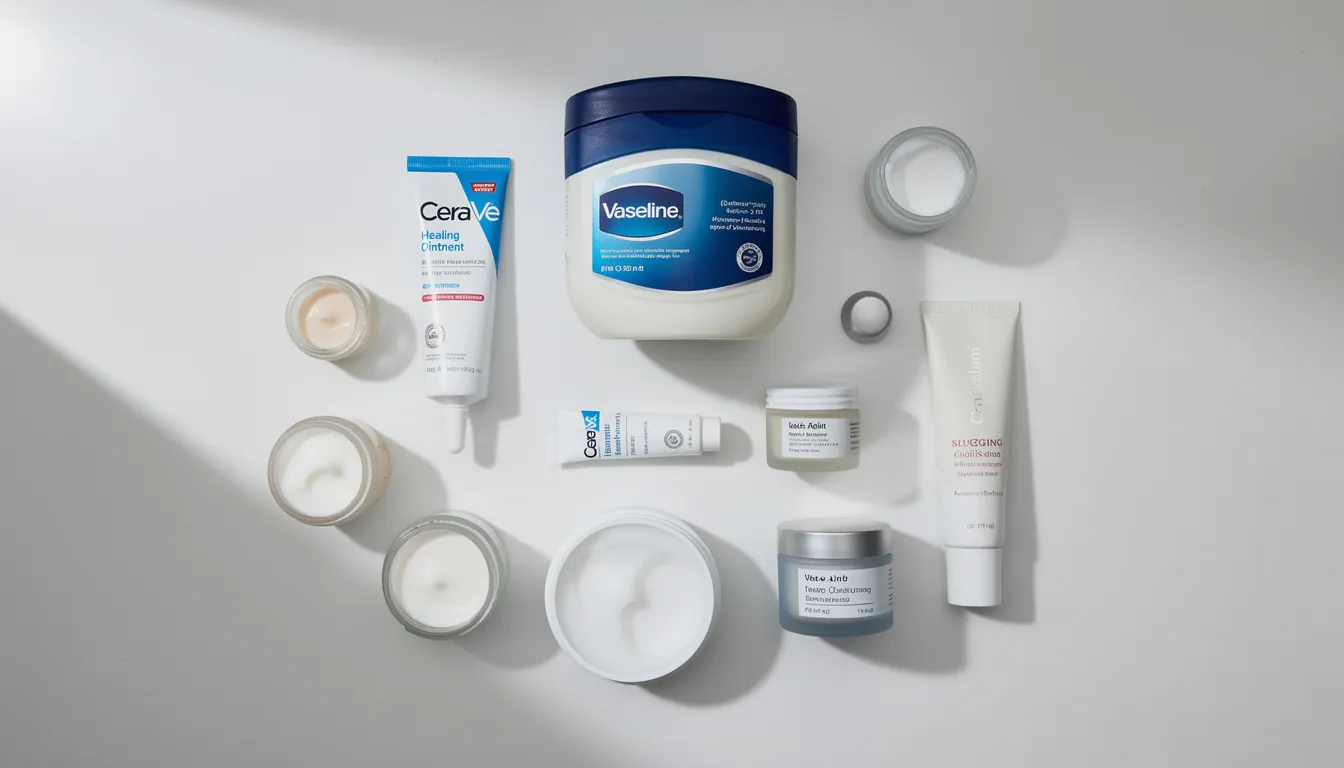
Aquaphor is another popular choice that contains additional skin-conditioning ingredients alongside petrolatum. It’s slightly less heavy than pure petroleum jelly while still providing excellent occlusive properties. Many people find it easier to spread and less likely to feel overly greasy.
When choosing a slugging product, look for formulas that contain 30-100% petrolatum and have FDA regulation as a skin protectant. Avoid products with unnecessary fragrances, colors, or active ingredients that could cause irritation when used in this intensive manner.
For those who prefer to avoid petroleum-based products, alternatives like shea butter can provide some occlusive benefits, though they’re generally less effective at preventing water loss than petroleum jelly. These plant-based options may be more suitable for those with specific ingredient preferences or sensitivities.
How Often Should You Slug?
Most skin types benefit from slugging 1-3 times per week. This frequency provides the moisture boost your skin needs without overwhelming it or potentially causing issues like clogged pores or excessive oil production.
During winter months or periods of particular dryness, you might increase frequency to every other night. People with severely compromised skin barriers might benefit from daily slugging initially, then gradually reducing frequency as their skin improves.
Pay attention to how your skin responds and adjust accordingly. If you notice increased breakouts, milia, or excessive greasiness, reduce the frequency. If your skin feels dry or tight between slugging sessions, you might benefit from more frequent applications.
Consider alternating slugging nights with your regular skincare routine. This approach allows you to maintain the benefits of your active ingredients while giving your skin the intensive moisture treatment it needs. Many people find this balanced approach works best for maintaining healthy skin long-term.
Common Concerns and Side Effects
The most common complaint about slugging is the greasy, sticky texture that can feel uncomfortable during sleep. This sensation typically diminishes as your skin absorbs some of the product, but it can take some getting used to. Starting with very thin applications can help minimize this issue.
Pillow and bedding stains are a practical concern that many people face. The occlusive nature of these products means some transfer is inevitable. Using old pillowcases, placing a towel over your pillow, or investing in dark-colored bedding can help manage this issue.

Some people develop small white bumps (milia) or experience increased breakouts when they first start slugging. This is often a sign that the technique isn’t suitable for their skin type, or they’re using too much product too frequently. If these issues persist after reducing frequency and amount, it’s best to discontinue the practice.
Skin that becomes overly dependent on occlusive treatments can sometimes experience increased sensitivity or dryness when the treatment is stopped. This is why many dermatologists recommend using slugging as a periodic treatment rather than a daily necessity.
Safety and FDA Regulation
Petroleum jelly has an established safety profile dating back to the 1960s, with FDA recognition as an effective skin protectant. The ingredient has been extensively studied and proven safe for use on babies and people with sensitive skin conditions like eczema.
The non-comedogenic properties of petroleum jelly come from its large molecular size, which prevents it from penetrating pores. This scientific fact helps debunk common myths about petroleum jelly causing acne or clogging pores in most people.
Concerns about petroleum jelly contamination or cancer links have been thoroughly investigated and debunked by health authorities. The refined petroleum jelly used in cosmetic and medical applications undergoes strict purification processes that remove any potentially harmful substances.
The Dermatology Association and major medical institutions continue to recommend petrolatum-based treatments for various skin conditions, reinforcing the safety and efficacy of slugging when done appropriately.
Combining Slugging with Other Techniques
We believe that weaving slugging into your skincare routine alongside other gentle techniques can deeply nourish your skin and help you discover what truly healthy skin feels like. For those of you with sensitive skin, we always recommend starting with just a whisper-thin layer of petroleum jelly, letting your skin gently adjust as you gradually use a bit more. This thoughtful approach honors your skin's needs while still giving you that beautiful hydration boost that makes slugging so cherished.
When you're layering slugging with other products you love — maybe your favorite eye cream or that perfect moisturizer — we suggest applying those nourishing treatments first and giving them time to settle in completely. That protective layer of petroleum jelly then becomes like a gentle blanket, wrapping in all the goodness from your routine and helping your skin hold onto moisture in the most natural way. We find this especially wonderful for those dry or thirsty areas that need a little extra love and attention.
Now, we do want to share something important with you — it's best to keep slugging separate from stronger active ingredients like alpha hydroxy acids, beta hydroxy acids, or retinol. Wrapping those actives under that protective layer can make them work a bit too intensely, and we never want your skin to feel overwhelmed or irritated, especially if you have sensitive or breakout-prone skin.
If your skin tends toward breakouts, we've found that using just a small, pea-sized amount of petroleum jelly and dotting it only on specific dry or irritated spots works beautifully, rather than covering your whole face. This gentle, targeted approach keeps your pores happy while still giving you those protective, nourishing benefits that make slugging so special. By listening to your skin and customizing how you use slugging, you can address exactly what your unique skin is asking for and enjoy the deep hydration and barrier support this beloved technique offers.
Maintaining Healthy Skin
We believe that caring for your skin should feel genuine and intentional—it's about creating a thoughtful routine that honors what your skin truly needs. We always start with the heart of skincare: gentle cleansing that respects your skin, followed by a nourishing moisturizer chosen with care for your unique skin. When your skin feels dry, we turn to formulas rich in hyaluronic acid and ceramides—simple, honest ingredients that wrap your skin in moisture and strengthen what protects you. For those with sensitive skin, we cherish fragrance-free, gentle products that won't overwhelm or clog your precious pores.
Slugging can become a beautiful part of this nurturing ritual, especially when you choose a pure, non-comedogenic petroleum jelly like plain Vaseline. Applying just a whisper-thin layer as your final, loving step helps seal in all that goodness and wrap your skin in protection from the world around you, supporting the health your skin deserves. We've learned from trusted sources like the Cleveland Clinic and caring dermatologists that this gentle technique embraces most people safely when done with intention, bringing special comfort to those with dry or compromised skin that needs extra tenderness.
We can't forget how much your skin craves daily protection from the sun's embrace. The Dermatology Association reminds us to wrap our skin in broad-spectrum sunscreen with at least SPF 30 every single day, shielding what we cherish from damage and keeping our skin looking vibrant for years to come. When you weave together these loving skin habits—cleansing, moisturizing, slugging, and protecting—you're nurturing a strong, resilient foundation that lets your natural beauty shine through. If your skin has been whispering concerns or you're seeking guidance that feels personal, we encourage you to connect with a board-certified dermatologist who can craft a routine as unique and special as you are.
FAQ
Can I do slugging during the day? While possible, slugging is primarily designed for nighttime use when skin repair processes are most active. Daytime slugging may interfere with makeup application and sun protection, making it impractical for most people. The heavy, shiny appearance also makes it socially challenging for daily activities.
What’s the difference between slugging and just using a heavy moisturizer? Slugging specifically uses occlusive ingredients that create an impermeable barrier to prevent water loss, while heavy moisturizers typically contain humectants and emollients that hydrate but don’t fully seal the skin surface. The occlusive barrier in slugging can prevent up to 99% of moisture loss, significantly more than traditional moisturizers.
Can I use other oils instead of petroleum jelly for slugging? While some plant-based oils can provide occlusive benefits, they’re generally less effective than petroleum jelly at preventing water loss. Products like shea butter or squalane can be alternatives but may not provide the same level of barrier protection. They also carry higher risks of pore-clogging for sensitive skin types.
How long does it take to see results from slugging? Most people notice immediate improvements in skin hydration and softness after one night of slugging, with more significant barrier repair and texture improvements visible after 1-2 weeks of consistent use. Long-term benefits like improved skin barrier function and reduced sensitivity may take 4-6 weeks to become apparent.
Is slugging the same as the “glass skin” trend? Slugging is one technique that can contribute to achieving “glass skin” - the K beauty ideal of smooth, dewy, translucent-looking skin. However, glass skin typically requires a comprehensive skincare routine that includes gentle cleansing, hydrating toners, essences, and consistent sun protection, with slugging serving as one supporting element rather than a complete solution.


