

handHow Washing Your Hands Stops Colds and Flu Fast
Have you ever wondered if bar soap is really clean, or if it might be covered in germs from previous users? These interesting questions often come up when people think about washing hands to prevent illness, especially during cold and flu season.
Every year, up to 20% of the U.S. population comes down with seasonal flu. That translates to tens of millions of people sick in bed, missing work, and keeping kids home from school. What many people don’t realize is that a significant portion of these infections spread through one surprisingly simple route: contaminated hands.
Regular handwashing with plain bar soap is one of the most effective ways to prevent common colds, flu, and stomach bugs. This isn’t complicated science or expensive medicine—it’s basic hygiene that works. The Centers for Disease Control and Prevention reports that proper hand washing can prevent around 20% of respiratory infections and about 30% of diarrhea-related illnesses.
Handwashing practices in the patient care setting began in the early 19th century and have evolved over the years, highlighting the long-standing importance of this simple act in preventing illness.
Here’s how it happens: You touch a doorknob at the office, grab your phone, push a shopping cart, or hold a subway pole. Influenza viruses and common cold viruses (rhinoviruses, coronaviruses) survive on these surfaces for hours. Your fingers pick them up, and eventually, you rub your eyes, touch your nose, or eat without washing first. Suddenly, those germs have a direct path into your body.
The good news? Bar soap, including goat milk soap, cleans just as effectively as antibacterial soap for everyday use. Both the CDC and FDA confirm this. You don’t need fancy formulas or special additives to protect your family during flu season. Consistent handwashing during peak months (October through March in the U.S.) can mean fewer sick days, less time at the doctor, and more time doing what you actually want to do.
Quick recap:
-
Up to 20% of Americans get seasonal flu each year
-
Handwashing prevents ~20% of respiratory infections and ~30% of diarrhea-related illnesses
-
Plain bar soap works just as well as antibacterial alternatives
-
Viruses spread from surfaces to hands to eyes, nose, and mouth
How Germs Spread From Hands to Your Body
Understanding how germs travel helps explain why hand hygiene matters so much. There’s a difference between respiratory viruses and gastrointestinal germs, though both use your hands as their ticket inside.
Flu viruses and cold viruses typically spread through respiratory droplets when someone coughs or sneezes nearby. But here’s what people miss: those droplets land on surfaces. Touch a classroom desk during back-to-school season, a grocery cart handle during December’s peak flu months, or a subway pole in New York in January, and you’ve just collected whatever the last person left behind. About 80% of infectious diseases transmit via dirty hands, which makes sense when you consider how often we touch pretty much everything around us.
Gastrointestinal germs like norovirus, Salmonella, and E. coli follow a different path called fecal-oral transmission. Invisible traces of feces from toilets, diapers, or raw meat can contaminate hands and later transfer to food, cups, or your face. One gram of human feces can contain up to one trillion germs—a number that reinforces why thorough handwashing after bathroom use and diaper changes is critical for public health.
Just having germs cover your skin doesn’t guarantee you’ll get sick. Infection typically happens when you then touch your eyes, nose, and mouth. That’s the entry point. The virus or bacteria on your fingers means nothing until it finds a way in. This is exactly why avoiding contact between your hands and face—especially with wet hands that spread germs more easily—creates a real barrier against illness.
Key transmission routes:
-
Respiratory droplets landing on surfaces, then picked up by hands
-
Direct contact with contaminated objects (fomites)
-
Fecal contamination from bathrooms, diapers, or raw food
-
Transfer to eyes, nose, and mouth via unwashed fingers
Why Plain Bar Soap Works (and Antibacterial Soap Isn’t Better)
Soap doesn’t kill germs—it removes them. Understanding this distinction changes how you think about what’s actually happening when you wash hands.
Soap molecules are surfactants, meaning they have one end attracted to water and another attracted to oils and fats. When you lather up, these molecules wedge themselves into the oils on your skin where germs hide, essentially rubbing and lifting the microbes away from your hands. The friction from scrubbing, combined with running water, flushes all the germs down the drain. It’s mechanical action, not chemical warfare.
For healthy people in homes, schools, and offices, plain soap cleans hands just as effectively as over-the-counter antibacterial soaps at removing germs that cause colds and flu. The science is clear on this. In 2016, the U.S. FDA banned 19 common antibacterial ingredients (including triclosan and triclocarban) from consumer hand soaps because manufacturers couldn’t prove they worked better than plain soap—and there were concerns about long-term health risks and antibiotic resistance.
CDC handwashing guidelines do not require antibacterial soap for routine handwashing outside of specific healthcare settings. So unless you’re preparing for surgery, you don’t need the “antibacterial” label. What you need is proper technique.
Unlike liquid soap, bar soap offers simplicity. Both formats work when used correctly, but bar soap generates less plastic waste and often costs less per wash. Some people prefer liquid soap for shared spaces, but a well-maintained bar serves families perfectly well.
Key points:
-
Soap’s surfactants physically lift germs so water can rinse them away
-
Antibacterial additives provide no additional benefit for everyday handwashing
-
FDA banned many antibacterial ingredients due to lack of proven effectiveness
-
Special soaps may be appropriate in surgical or healthcare settings, but not at home
Is Bar Soap Really Sanitary?
This question comes up constantly: if bar soap sits out in the open, touched by multiple hands, how can it possibly be clean?
Studies dating back to the 1960s have examined this exact concern. Researchers deliberately contaminated bar soap with bacteria, then had subjects wash with it. The result? The bacteria did not transfer to the users’ hands in harmful amounts. The physical act of lathering and rinsing removes surface contamination from both your hands and the bar itself.
Most microbes found on your bar soap come from your own skin microbiome—the normal resident bacteria that actually help protect you. These aren’t the pathogens causing flu symptoms or diarrhea. They’re part of your body’s natural defense system. When you wash, you’re not picking up someone else’s germs from the bar; you’re removing the transient microbes you collected throughout the day.
Yes, a bar soap sits exposed between uses. Some germs may be present on its surface. But the first few seconds of lathering under running water washes those away before you’ve even started cleaning your hands properly. It’s a self-correcting system.
There are situations where slightly higher risk exists. If multiple people share the same bar and someone has an active skin infection, or if a person has a severely weakened immune system (such as someone undergoing chemotherapy), individual bars might be wise. But for typical households trying to prevent the spread of seasonal colds and flu, shared bar soap is perfectly safe.
Summary:
-
Research confirms bar soap does not transfer harmful bacteria between users
-
Surface microbes on soap are mostly from your own skin and rinse away immediately
-
Bar soap sanitary concerns are largely unfounded for healthy households
-
Immunocompromised individuals or those with skin infections may want personal bars
Gentle Goat Milk Soap: Clean Hands Without Drying Them Out
Frequent handwashing during flu season can leave skin cracked, dry, and uncomfortable. This creates a problematic cycle: rough, damaged skin is not only painful but can actually harbor more bacteria in tiny fissures. That’s where goat milk soap offers a real advantage.
Goat milk soap is a moisturizing bar soap made with goat milk, plant oils (like olive, coconut, or shea butter), and typically minimal additives. The goat milk contains natural fats, lactic acid, and vitamins that support the skin’s acid mantle—the slightly acidic barrier that keeps skin healthy. Scientific evaluations show goat milk soap’s high lipid content, which emulates human sebum, forms a protective barrier that reduces transepidermal water loss by 20-30% compared to synthetic bar soaps.
Maintaining an intact, moisturized skin barrier on your hands isn’t just about comfort. It helps prevent the micro-cuts and fissures where germs can enter and cause infection. Studies show users with eczema or sensitive skin report 40-50% less dryness after switching to goat milk-based products.
Goat milk soap cleans hands as effectively as other plain bar soaps at removing flu viruses and cold-causing germs, even without added antibacterial chemicals. It’s particularly well-suited for families who wash hands frequently during flu season, people with sensitive or eczema-prone skin, and anyone who wants to treat their hands gently while still protecting against illness.

Benefits of goat milk soap:
-
Gentle on skin due to natural fats and lactic acid
-
Suitable for frequent washing without causing dryness
-
Ideal for sensitive, dry, or eczema-prone skin
Exactly When You Should Wash Your Hands to Avoid Colds and Flu
Knowing when to wash hands matters almost as much as knowing how. These are the high-risk moments when handwashing makes the biggest difference in preventing respiratory and stomach illnesses:
After using the restroom: Learn the facts about soap and hygiene to make informed choices.
-
Every single time, no exceptions
-
After helping children with the toilet or changing diapers
Before and during food preparation:
-
Before eating any meal or snack
-
Before, during, and after handling raw meat, poultry, eggs, or seafood
-
After touching garbage
After respiratory contact:
-
After blowing your nose, coughing, or sneezing
-
Especially critical during November through March flu peaks
-
After caring for someone who is sick with a cold, flu, or stomach bug
After public exposure:
-
After returning home from school, work, or public transport
-
After shopping, attending large events, or visiting crowded spaces
-
After touching high-contact surfaces like elevator buttons or payment terminals, it's crucial to wash your hands with soap
During outbreak conditions:
-
When local schools send home notices about flu or norovirus outbreaks
-
When people sick with respiratory illness are in your household
-
After close contact with anyone showing flu symptoms, make sure to wash your hands thoroughly. Consider using nourishing options like goat milk soap for sensitive or irritated skin.
If soap and water aren’t available, an alcohol based hand sanitizer (at least 60% alcohol) works as a good backup until you can wash properly. For more on caring for sensitive skin, keep a small bottle in your bag, car, or desk for situations where sinks aren’t accessible. If you're interested in natural ways to hydrate and care for your skin, learn more about the benefits of beeswax for skin.
High-Risk Situations: When Handwashing Matters Most
We believe that certain moments in our daily lives call for a more thoughtful, intentional approach to hand hygiene—especially when we're caring for the most vulnerable in our community. In healthcare settings, where we hold the sacred responsibility of tending to those who are fighting seasonal flu or other infections, we understand that our hands become vessels that can either spread healing or harm. That's why we embrace the gentle yet powerful ritual of washing our hands with soap and water, treating each cleansing as an act of care. While bar soap, sitting openly and honestly, may seem vulnerable to the world around it, research shows us it remains pure for our everyday needs. However, when we're working in those precious high-risk spaces, we thoughtfully turn to liquid soap or alcohol based hand sanitizer, choosing what best serves those we're privileged to care for.
But our commitment to mindful hygiene extends far beyond hospital walls—it flourishes beautifully in our own homes. When we're preparing nourishing meals for those we hold dear—our little ones, our cherished elders, or family members whose immune systems need extra tenderness—we approach each ingredient with reverence. We wash our hands with soap and water before and after touching raw ingredients, understanding that this simple ritual helps us create safe, loving meals that nourish rather than harm. The same intentional care flows through our daily moments: after visiting the bathroom, before we gather to eat, and after our bodies naturally release through coughing or sneezing—these are all sacred opportunities to pause, cleanse, and protect the ones we love.
We extend this same mindful presence into the spaces where our community gathers. In schools where our children learn and grow, daycare centers where our youngest ones play, and public transportation where we journey together, we understand that many hands have touched what we touch. With so many of us sharing these spaces, especially during flu season, we see regular handwashing with soap—whether the honest simplicity of bar soap or the gentle convenience of liquid—as one of our most powerful gifts to our community. When soap and water aren't available to us, we gratefully reach for alcohol based hand sanitizer, especially after our hands have connected with surfaces that many others have lovingly or necessarily touched.
We're deeply grateful for every opportunity to practice this simple yet profound act of community care. Whether we're serving in healthcare settings, nurturing our families through thoughtful food preparation, or simply moving mindfully through the spaces we share with others, we understand that washing our hands at the right moments is one of the most beautiful ways we can protect and cherish both ourselves and our community. Thank you for joining us in this gentle practice of caring for one another—every mindful wash is a gift we give to the world around us.
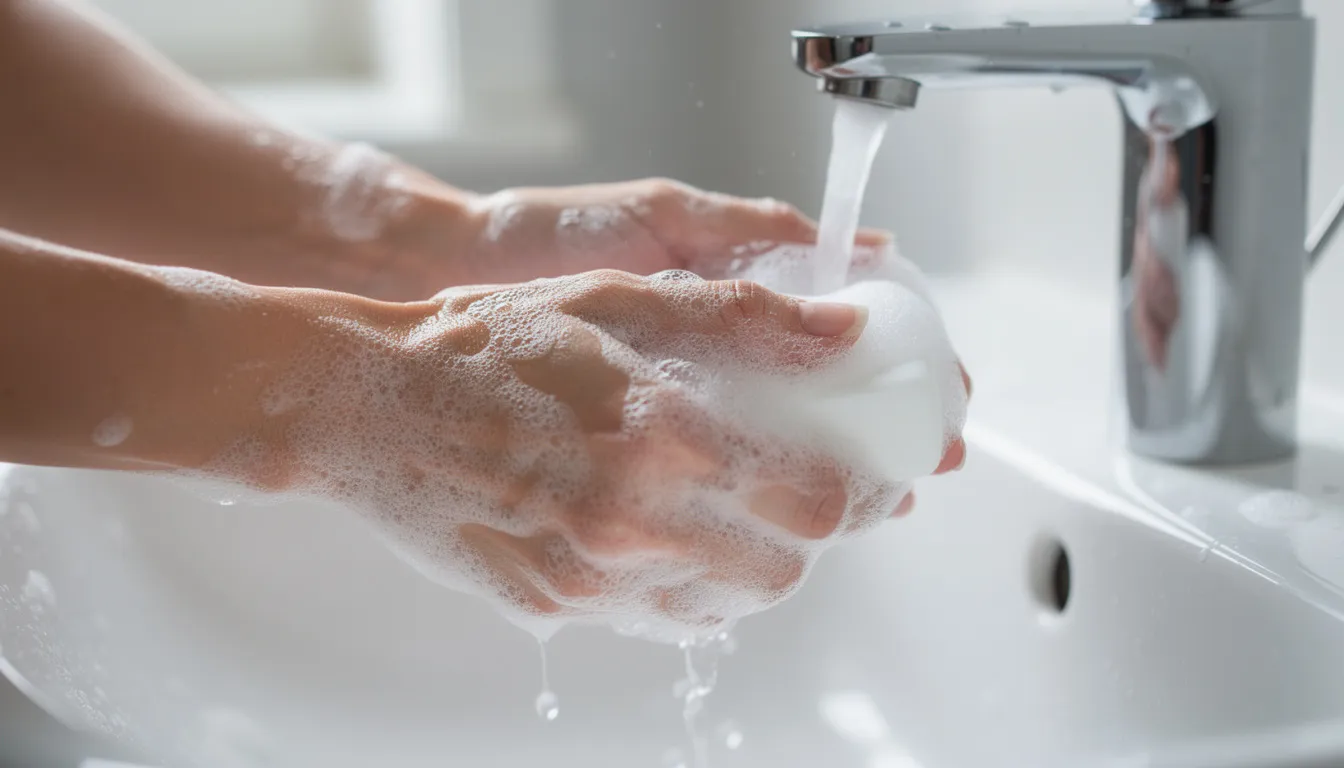
Step-by-Step: How to Wash Hands the Right Way
Proper technique matters more than the type of soap you use. Here’s the CDC-recommended method that removes flu viruses and other pathogens effectively:
-
Wet hands with clean, running water (warm or cold—temperature doesn’t affect germ removal)
-
Turn off the tap to save water
-
Apply bar soap and rub hands together to create lather
-
Scrub hands for at least 20 seconds—cover all surfaces including:
-
Backs of hands
-
Between fingers
-
Around thumbs
-
Under fingernails
-
-
Hum “Happy Birthday” twice to time yourself, or count slowly to 20
-
Rinse hands well under clean, running water
-
Dry completely with a clean towel or air dry
The 20-second scrubbing time is crucial. This duration is what removes viruses like influenza and rhinovirus, not just visible dirt. Shorter washes leave pathogens behind. Evidence from the J Food Prot and other research suggests 15-30 seconds optimizes removal depending on the type of contamination.
Water temperature doesn’t matter for germ removal—use whatever temperature is comfortable so you’ll actually wash long enough. Cold water works just as well as hot.
One often-overlooked detail: wet hands spread germs more easily than dry hands. Hand drying is part of good hygiene. A study in Infect Control Hosp Epidemiol confirmed that proper drying reduces bacterial transfer significantly. Don’t skip this step.

Common Misconceptions About Handwashing
We believe that despite all the wonderful public health efforts out there, some well-meaning myths about handwashing continue to circulate—and honestly, they can work against our shared goal of staying healthy together. One story we hear often is that bar soap isn't clean because it sits openly, gathering all the germs around it. We love sharing what caring experts have taught us: bar soap is beautifully safe for cleansing our bodies, and thoughtful studies show it doesn't pass harmful bacteria between the people who use it. That simple act of creating lather and rinsing with soap and water naturally lifts away germs, making bar soap a trusted companion for hand care.
Another gentle misunderstanding we encounter is the belief that washing hands with water alone removes all the unwelcome guests. While rinsing certainly clears away what we can see, it's the beautiful partnership of soap and water—whether it's simple soap or a nourishing goat milk bar—that breaks down oils and carries away bacteria and viruses, including those flu viruses that bring seasonal illness. When we skip the soap, we're leaving behind many of the tiny troublemakers that can lead to feeling unwell.
Some folks assume that antibacterial soap always works better than plain soap, but the CDC and other caring health authorities have discovered no extra benefit for everyday life. In truth, plain soap works just as beautifully at removing germs that cause illness, and using too many antibacterial products can contribute to antibiotic resistance in our communities.
There's also some confusion about hand sanitizer that we love to clear up. While alcohol based hand sanitizer is a wonderful option when soap and water aren't nearby, it's not a complete replacement—especially if your hands have visible dirt or grease. Hand sanitizer works best on clean hands and is less effective at removing certain types of unwanted germs.
Finally, it's easy to forget that germs cover pretty much everything we touch throughout our days—doorknobs, light switches, countertops, and so much more. When we don't wash hands after touching these surfaces, we increase the chance of spreading infection, especially during flu season when flu viruses are making their rounds in our communities.
By understanding and gently correcting these misconceptions, we can make handwashing a powerful ally in preventing the spread of germs, reducing the risk of complications from illnesses like seasonal flu, and protecting both ourselves and the people we care about. We encourage making it a loving habit to wash hands thoroughly and often—you'll be doing your beautiful part to keep everyone around you healthier and more comfortable.
Keeping Your Bar Soap Clean and Safe
A little maintenance keeps your bar soap in optimal condition between uses:
Before and after washing:
-
Rinse hands under running water before picking up the bar
-
Rinse the bar briefly after use to remove any surface debris
Proper storage:
-
Store soap on a draining soap dish or slotted holder so it dries completely between uses
-
Position the dish outside the direct stream of shower or sink splashing
-
Never let the bar sit in standing water where it becomes slimy and soft
Household considerations:
-
For most families, sharing a bar soap is perfectly fine and sanitary
-
Consider individual bars if someone has an active skin infection
-
Severely immunocompromised individuals (undergoing chemotherapy, etc.) may benefit from personal bars
Related items:
-
Washcloths and loofahs can harbor more germs than bar soap itself
-
Wash these items frequently in hot water
-
Replace loofahs regularly—they’re a seemingly vulnerable spot for bacterial growth
For goat milk soap specifically: If you're wondering how bar soap compares to liquid soap for germ removal and skin health, check out our guide on Bar Soap vs. Liquid Soap: Which Is Better for Germs and Skin Health?
-
Allow the bar to dry fully overnight to maintain firmness
-
A dry bar lasts longer and feels more pleasant to use
-
The weird little sliver that remains at the end can be pressed onto a new bar
Handwashing, Kids, and Global Health
Diarrhea and pneumonia are among the leading causes of death in children under 5 worldwide. Poor hand hygiene is a major contributing factor to both. Each year, approximately 1.8 million children under 5 die from these preventable diseases—a staggering number that simple handwashing with soap could dramatically reduce.
Teaching children to wash hands at critical times protects both them and their caregivers. Kids touch everything: playground equipment, shared toys, classroom desks, and then their faces. They’re vectors for spreading colds, flu, and stomach viruses through entire households. But children who learn proper hand hygiene bring that protection home. School programs that emphasize handwashing have been shown to boost attendance by 29-57% through reduced gastrointestinal absenteeism alone, according to data cited in Environ Res Public Health studies.
Why focus on children:
-
They have frequent hand-to-mouth contact
-
They share spaces with many other children daily
-
They often don’t wash thoroughly without guidance
-
Teaching habits early creates lifelong protection
Key times for kids to wash:
-
After using the bathroom (with supervision for young children)
-
Before eating any meal or snack
-
After playing outside or with shared toys
-
After coughing, sneezing, or blowing their nose
Impact on families and schools:
-
Fewer sick days for children means fewer missed work days for parents
-
Reduced spread of germs within classrooms and homes
-
Simple tools (bar soap and clean water) create significant health improvements
Handwashing and Antibiotic Resistance
Here’s something that makes sense when you think about it: every infection you prevent is an antibiotic prescription you don’t need.
When handwashing prevents about 20% of respiratory infections and around 30% of diarrhea-related illnesses, that translates directly into fewer doctor visits and fewer prescriptions. Many mild viral infections—most colds and many flu cases—don’t require antibiotics at all. But they’re sometimes treated with them unnecessarily, either because patients request them or because symptoms overlap with bacterial infections. This overuse drives antibiotic resistance, creating superbugs that don’t respond to treatment.
Data from the Cochrane Database Syst Rev and Ann Intern Med supports the connection between hand hygiene and reduced healthcare burden. The World Health Organization considers appropriate hand hygiene the single most effective action against infection spread, preventing up to 50% of avoidable healthcare-associated infections.
By washing hands correctly and often, families help slow the rise of antibiotic-resistant bacteria in their community. It’s a public health contribution that costs nothing but a few seconds at the sink.
How handwashing fights resistance:
-
Prevents infections that lead to unnecessary antibiotic prescriptions
-
Reduces overall burden on healthcare systems
-
Decreases exposure to Med Microbiol-documented resistant organisms in community settings
-
Protects the effectiveness of antibiotics for when they’re truly needed
When to Use Hand Sanitizer Instead of Soap
Soap and water remain the gold standard. They’re preferred when hands are visibly dirty, greasy, or after bathroom use, diaper changes, and handling raw meat. But hand sanitizer has its place.
Alcohol based hand sanitizer (at least 60% alcohol) works well for situations where washing isn’t practical:
-
When you’re in transit on a bus, train, or plane with no sink available
-
After touching high-contact surfaces like elevator buttons or payment terminals
-
When entering or leaving medical offices, hospitals, or nursing homes
-
After shaking hands at business meetings or social events
Sanitizers don’t remove all types of germs. They’re less effective against norovirus and certain bacterial spores. They also won’t work well on heavily soiled hands—the dirt creates a barrier that prevents the alcohol from reaching germs. But for quickly inactivating many viruses, including flu, sanitizer delivers when used correctly.
Proper sanitizer technique:
-
Apply enough product to cover all hand surfaces
-
Rub hands together for about 20 seconds
-
Continue until hands are completely dry
-
Don’t wipe off or rinse
|
Situation |
Best Choice |
|---|---|
|
After bathroom use |
Soap and water |
|
Visibly dirty hands |
Soap and water |
|
After handling raw meat |
Soap and water |
|
On public transport |
Hand sanitizer |
|
Entering healthcare setting |
Hand sanitizer |
|
Before eating without sink access |
Hand sanitizer |
The bottom line: drink plenty of water, get your flu vaccine, and keep both soap and sanitizer accessible. They’re complementary tools, not competitors.
Putting It All Together: Simple Habits to Stay Healthy
Washing hands to prevent illness isn’t complicated, but it does require consistency. The science is clear: regular handwashing with plain bar soap—including gentle goat milk soap—significantly reduces the risk of colds, flu, and stomach bugs. Antibacterial labels don’t make everyday soap better at preventing illness in the home. Good technique matters more than marketing claims.
These small habits compound over time. Experts explain that community education programs focusing on handwashing reduce respiratory illnesses by 16-21% in the general population. That’s real impact from a behavior that takes 20 seconds.
Your action steps:
-
Wash hands immediately when returning home from any outing
-
Wash before every meal and after any bathroom visit
-
Wash after blowing your nose, coughing, or sneezing during flu season
-
Use the full 20-second technique with thorough rinsing and drying
Set yourself up for success:
-
Place attractive bar soaps at every sink to make washing more pleasant
-
Choose gentle goat milk soap to avoid dryness from frequent washing
-
Keep a draining soap dish to maintain bar quality
-
Stock alcohol-based sanitizer for on-the-go situations
You don’t need to treat your skin harshly to avoid touching contaminated surfaces or prevent the spread of germs to family members. With complications from flu affecting high risk individuals especially severely, these precautions protect everyone in your household. The bar of soap at your sink—simple, affordable, effective—remains one of the best defenses against the viruses and bacteria that cause illness.
Move through cold and flu season with fewer sick days, healthier skin, and the confidence that comes from knowing you’re doing something that actually works.


