

Key Takeaways
Sweet almond oil is a lightweight, vitamin e–rich oil that has been used for centuries in skincare, haircare, and even low-heat cooking. At Ollie Skincare, we incorporate this nourishing carrier oil into our gentle, small-batch formulations designed specifically for sensitive and dry skin types. Here’s what you need to know before adding this versatile oil to your routine.
-
Unrefined, cold-pressed sweet almond oil retains the highest levels of nutrients and works best for skincare applications. Bitter almond oil is a different variety entirely and is not used in Ollie Skincare products due to safety concerns.
-
Core skin benefits include softening dry patches, reinforcing the moisture barrier, and a low likelihood to clog pores—making it friendly for sensitive, normal, and combination skin types.
-
Common uses range from standalone body and beard oil to facial moisturizer, makeup remover, massage base, and as a key ingredient in goat milk soaps, herbal salves, and body oils.
-
If you have a tree nut allergy, always patch test on a small area or consult a healthcare professional before using any almond-based product.
What Is Almond Oil?
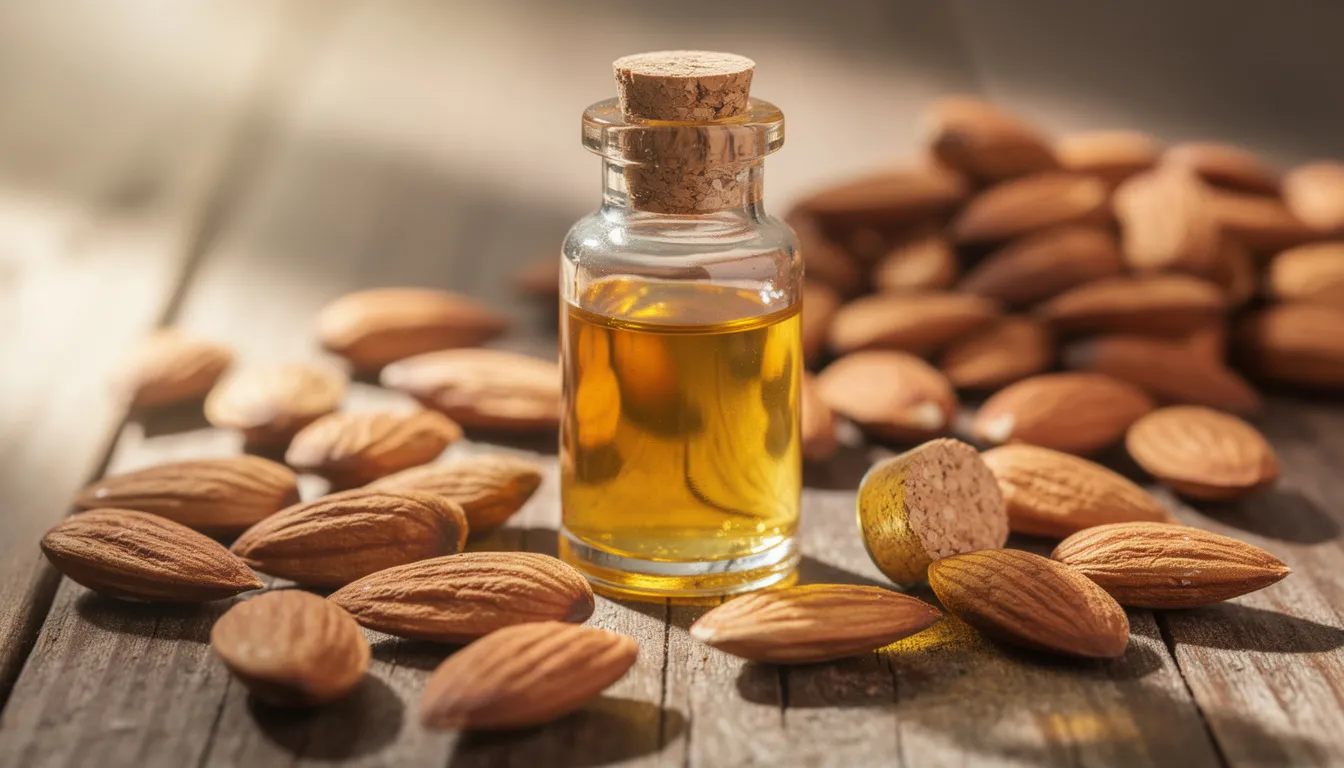
Almond oil is pressed from the edible kernels of the Prunus dulcis tree—the same almonds you might snack on. In the beauty and food worlds, “sweet almond oil” (Prunus Amygdalus Dulcis) is the variety you’ll encounter most often. This natural oil has earned its place in skincare and cooking thanks to its light texture and nutrient-rich profile.
-
Sweet almond oil vs. bitter almond oil: Sweet almond oil comes from non-toxic kernels and is safe for skin and food use. Bitter almond oil, on the other hand, is extracted from kernels containing amygdalin—a compound that can release cyanide. Ollie Skincare uses only cosmetic-grade sweet almond oil in all formulations.
-
Extraction matters: High-quality sweet almond oil is typically cold-pressed, meaning it’s extracted at low temperatures. This process preserves delicate fatty acids, vitamins, and antioxidants. The oil is then lightly filtered for clarity while retaining its beneficial compounds.
-
Basic composition: Sweet almond oil is rich in monounsaturated fats (primarily oleic acid), vitamin E, and plant antioxidants. These components work together to support the skin barrier and keep skin soft without feeling greasy.
-
Refined vs. unrefined: Refined almond oil undergoes additional processing that allows it to tolerate more heat, making it suitable for cooking at higher temperatures. However, this refining process can strip away up to 50% of the oil’s antioxidants—making unrefined or virgin oil the better choice for skincare.
Nutritional & Skin-Loving Components of Almond Oil
The health benefits of almond oil come from its nutrient profile rather than any single “miracle” compound. Understanding what’s inside helps explain why almond oil works so effectively both externally and for nutrition.
|
Component |
What It Does |
|---|---|
|
Vitamin E (Tocopherols) |
Acts as an antioxidant, protecting skin lipids from oxidative stress and supporting a smooth appearance. |
|
Oleic Acid (Omega-9) |
Comprises 62-86% of the oil; mimics natural sebum and helps moisture absorb into skin |
|
Linoleic acid (Omega-6) |
Reinforces the moisture barrier and reduces transepidermal water loss |
|
B Vitamins & Minerals |
Contribute to overall skin resilience, though not primary benefit drivers |
-
Vitamin E content makes this oil particularly effective at defending against environmental stressors. Regular use can help maintain a hydrating, supple feel.
-
Fatty acids like oleic and linoleic acid reinforce your skin’s natural moisture barrier. This means less water loss throughout the day and skin that feels soft rather than tight or greasy.
-
Small amounts of B vitamins, potassium, and magnesium contribute to overall skin comfort, though the fatty acid and vitamin E content drive most of the visible results.
-
Non-comedogenic for most people: Sweet almond oil typically scores around 2/5 on comedogenic scales. This low to moderate rating means it suits normal, dry, and many sensitive skin types without triggering breakouts for most users.
Almond Oil for Skin (Face & Body)
Sweet almond oil is a versatile moisturizer for both face and body—especially if you have dry or sensitive skin and prefer simple, recognizable ingredients. Here’s how to make the most of it.
-
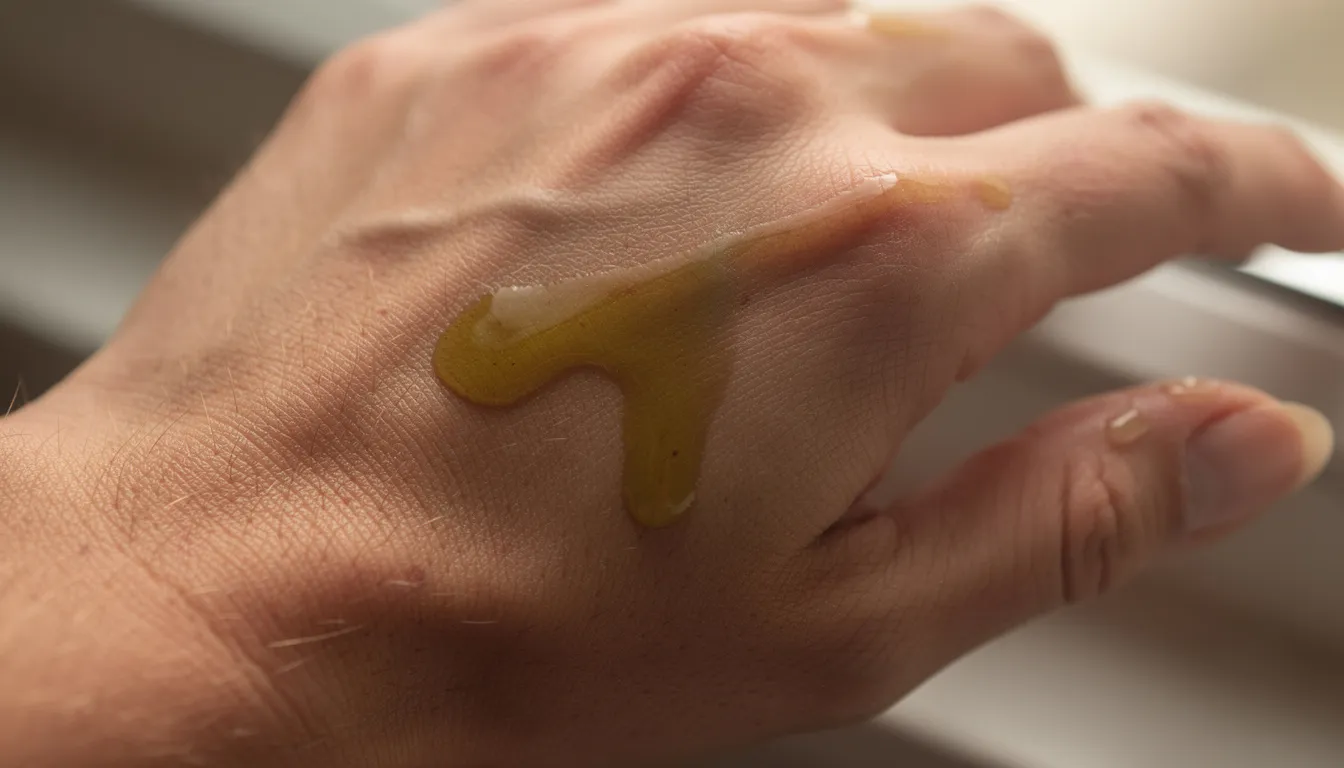
As an emollient, Almond oil excels at softening rough patches, smoothing texture on arms, legs, and hands, and soothing that tight feeling after a shower. Its light texture means it’s absorbed quickly without leaving a heavy residue.
-
For facial use: Apply a few drops to damp skin after cleansing. Press gently into cheeks, forehead, and the delicate under-eye area (avoiding the waterline). This helps lock in moisture and leaves skin soft, without the greasy finish some oils can leave.
-
Why it works for sensitive skin: When minimally processed and free from synthetic fragrance, sweet almond oil delivers nourishing hydration without irritation. At Ollie Skincare, we pair almond oil with goat milk and herbal infusions to keep our formulas gentle enough for reactive skin. For more advice on caring for sensitive skin, check out our top tips.
-
As a massage or body oil: Use alone or layer over freshly cleansed skin after a goat milk soap wash. The oil provides excellent slip for massage while being easily absorbed—leaving behind a soft sheen rather than an oily film.
-
As a makeup remover: Massage a small amount onto dry skin to dissolve sunscreen, foundation, and eye makeup. Follow with a gentle facial cleanser to remove any residue. This oil-cleansing method gently treats the skin while providing a thorough cleanse.
Almond Oil in Hair & Scalp Care
Looking for a lightweight option to tame frizz, add shine, and comfort a dry scalp? Sweet almond oil might be your answer—especially if heavier oils like coconut oil weigh your hair down.
-
Pre-wash treatment: Work a small quantity of almond oil through mid-lengths and ends. Leave on for 20-30 minutes, then shampoo as usual. This helps damaged hair feel smoother and more manageable.
-
As a finishing oil: After styling, rub a single drop between your palms and smooth lightly over ends. This seals split ends, controls flyaways, and adds a soft shine without the greasy look.
-
Scalp comfort: The oil’s emollient and mildly occlusive nature can help calm a tight, flaky scalp. Massage gently into your scalp before washing to deliver soothing relief.
-
A note on fine hair: While almond oil adds softness and protection, it doesn’t permanently change hair structure. Use in moderation if you have very fine or easily weighed-down hair to avoid limpness.
Almond Oil in Food & Nutrition
Food-grade sweet almond oil can be part of a balanced diet, offering both flavor and nutritional value. However, Ollie Skincare products are formulated for external use only—so if you’re interested in culinary applications, source food-grade oil separately.
-
Common culinary uses: Drizzle over roasted vegetables, whisk into salad dressings, or use as a finishing oil for grain bowls. Its delicate, nutty scent enhances dishes without overpowering them.
-
Heat considerations: Unrefined almond oil is best used at low to medium heat or as a finishing oil. Avoid cooking with it at high heat, which can degrade its delicate flavor and vitamin content.
-
Refined vs. unrefined for cooking: Refined almond oil has a higher smoke point, making it suitable for sautéing, but it loses many of the phytonutrients that make unrefined oil so beneficial.
-
Nutritional profile: Almond oil is energy-dense and rich in unsaturated fats. Research suggests that replacing trans fats and some saturated fats with unsaturated alternatives may support healthy levels of high-density lipoproteins while potentially helping manage low-density lipoproteins. That said, it’s not a cure-all—just one component of balanced nutrition.
How Ollie Skincare Uses Almond Oil
At Ollie Skincare, we incorporate sweet almond oil into our small-batch, Wisconsin-made formulas designed for dry, sensitive skin. Here’s where you’ll find it in our lineup:
|
Type: How |
How Almond Oil Helps |
|---|---|
|
Goat Milk Soaps |
Adds conditioning properties, creates a mild creamy lather, and prevents stripping |
|
Body Oils |
Provides silky base, locks in moisture, enhances absorption of botanicals |
|
Facial Cleansers & Cleansing Grains |
Dissolves impurities gently while goat milk and clays cleanse |
|
Herbal Salves |
Carries plant extracts like calendula and chamomile into the outer skin layers |
|
Tallow Skincare |
Blends with animal-derived fats for rich, deeply moisturizing formulas |
-
In goat milk soaps, Almond oil contributes to a gentle, non-stripping cleanse. It helps create the rich, creamy lather our customers love while leaving skin feeling soft, not tight.
-
In body oils: We blend almond oil with other botanicals to create formulas that lock in moisture after a shower or bath. The result? Healthy skin that stays hydrated throughout the day.
-
In facial cleansers and cleansing grains: Almond oil helps dissolve makeup and daily grime while goat milk and natural clays provide gentle, non-foaming cleansing power.
-
In herbal salves and tallow skincare: As a carrier oil, almond oil helps deliver plant extracts like chamomile and calendula deeper into the skin for enhanced comfort and nourishment.
-
Our clean ingredient commitment: Every bottle and bar reflects our focus on simple, recognizable ingredients and eco-friendly packaging. We use recyclable containers and minimal plastic, and almond oil fits perfectly into this low-waste philosophy.
How to Choose & Store Almond Oil
Not all almond oils are created equal. A few label details can make a significant difference in your skin and hair results.
What to look for:
-
Products labeled “sweet almond oil,” preferably cold-pressed or unrefined
-
Formulas free from synthetic fragrance or unnecessary chemicals for sensitive skin
-
Transparent ingredient lists where Prunus Amygdalus Dulcis (Sweet Almond) Oil appears clearly—ideally as one of the first ingredients in moisturizers and body oils
Packaging considerations:
-
Choose opaque or amber glass bottles to protect the oil from light degradation.
-
Ollie Skincare pairs thoughtful packaging with small-batch production to ensure maximum freshness when products reach you.
Storage tips:
-
Keep your bottle in a cool, dry place away from direct sunlight.
-
Use within several months of opening to enjoy the best texture and scent.
-
Watch for any change in aroma (rancid or off-putting smell) or texture—these are signs the oil is past its prime and should be replaced.
Who Should Be Careful With Almond Oil?
While sweet almond oil is gentle for many people, certain situations call for extra caution before adding it to your skin care routine.
-
Tree nut allergies: If you have a known allergy to almonds or other tree nuts, consult a healthcare provider before using any almond-based skincare. Always patch test on a small area first and wait 24-48 hours before wider application.
-
Acne-prone skin: Although almond oil has a relatively low comedogenic rating, those with highly reactive or acne-prone skin should introduce it gradually. Start with spot use to observe how your pores respond before applying to larger areas.
-
Chronic skin conditions: If you have active eczema, psoriasis, or other persistent skin concerns, check with a dermatologist before relying on any single oil—including almond—as a primary treatment.
-
Pregnancy and breastfeeding: While almond oil is considered gentle and natural, pregnant or breastfeeding individuals should discuss any new skincare products with their healthcare provider.
How to Use Almond Oil in a Daily Routine
Adding almond oil to your morning and evening rituals doesn’t have to complicate your routine. Here are practical ways to mix it into your day:
Evening skincare ritual: Learn more about creating an effective evening skincare ritual to promote radiant and healthy skin.
-
Cleanse with a gentle goat milk facial cleanser.
-
Apply a hydrating toner or mist.
-
Press 2-4 drops of almond oil into damp skin as a final step
-
Let it absorb before bed for maximum hydration
Body care after showering:
-
Wash with goat milk soap in lukewarm water.
-
Pat your skin mostly dry with a towel.
-
Massage almond-rich body oil onto damp skin while still in the bathroom
-
Let the steam enhance absorption before getting dressed
Quick hair tip:
-
After air-drying, warm a drop of almond oil between your palms.
-
Smooth lightly over the ends of your hair
-
This tames frizz and adds a soft, natural shine
Weekly self-care:
-
Incorporate an almond-oil-based massage on tired muscles.
-
Apply a targeted salve to dry elbows, knees, or cuticles for extra softness.
-
Consider a 20-minute pre-wash hair treatment for deeper conditioning
FAQ
Is sweet almond oil the same as bitter almond oil?
No, they’re quite different. Sweet almond oil (Prunus Amygdalus Dulcis) is the cosmetic and culinary staple you’ll find in body oils, lotions, and even some foods. It’s safe for skin and ingestion. Bitter almond oil comes from a different variety containing amygdalin, which can release toxic compounds. Bitter almond oil must be heavily processed before any use and is not included in any Ollie Skincare formulations.
Can almond oil replace my regular moisturizer?
For many people with dry or normal skin, yes—almond oil can work as a minimalist moisturiser on its own. Apply it to damp skin to effectively trap moisture. However, you can also layer it over a water-based serum or cream to lock in additional hydration. Many customers find that using both a lightweight lotion and almond oil delivers the best results, especially in dry climates.
Will almond oil clog my pores?
Sweet almond oil is generally considered low to moderately comedogenic (around 2 out of 5). This means it works well for many normal, dry, and combination skin types without causing acne. However, if you’re very breakout-prone, start with a patch test on a small area of your face. Monitor for 48 hours before incorporating it into your full skin care routine.
How long does it take to notice results from using almond oil on the skin?
Most people notice immediate improvements in softness and how smoothly products glide across their skin. More significant changes—like reduced rough patches, improved skin tone, and overall comfort—typically appear after 2-4 weeks of consistent daily application. Patience and regular use are key.
Can I use Ollie Skincare’s almond-containing products if I have a nut allergy?
Anyone with a diagnosed tree nut allergy should consult their allergist or healthcare provider before using any almond-based skincare product. If cleared to try, perform a patch test on a small area (like your inner wrist) and monitor for 24-48 hours before wider use. Safety first—we want everyone to enjoy healthy skin without risk.


