

Key Takeaways
-
Lavender essential oil offers anti-inflammatory, antimicrobial, and antioxidant properties that can help calm irritated, acne-prone, and dry skin when properly diluted.
-
Always mix lavender oil with a carrier oil like jojoba, argan oil, or coconut oil before applying—never use it undiluted on your face or body.
-
Common skin uses include reducing acne breakouts, supporting wound healing, easing eczema patches, soothing insect bites and sunburn, and providing mild anti-ageing support.
-
Perform a patch test before first use, avoid applying to open wounds without medical guidance, never ingest essential oil, and exercise extra caution during pregnancy and with children.
-
Lavender oil works as a complementary skincare ingredient—it can enhance your routine but should not replace prescribed treatments for serious skin conditions.
Introduction: What Is Lavender Oil and Why Use It on Skin?
Lavender essential oil comes primarily from the lavandula angustifolia plant, a member of the mint family with deep roots in skincare and herbal medicine. Ancient Egyptians, Greeks, and Romans used the lavender plant for wound dressing, bathing, and perfumery. The name itself derives from the Latin “lavare,” meaning “to wash”—a fitting origin for something so connected to cleansing and care.
Today, lavender oil is obtained through steam distillation of the purple flowers, producing an oil naturally rich in linalool (20-35%) and linalyl acetate (30-55%). This chemical composition gives lavender its characteristic soothing scent and contributes to its therapeutic effects. The major components provide anti inflammatory, antibacterial properties, antifungal properties, antioxidant, and mildly analgesic effects.
When used correctly, lavender oil can support clearer, calmer, and more comfortable skin. But make no mistake: this is a potent essential oil, not just a gentle fragrance. The following sections explore science-backed benefits of lavender, specific skin uses, safe application methods, and who should avoid it entirely.

How Lavender Oil Benefits the Skin
Most lavender oil benefits for skin trace back to three key actions: reducing inflammation, fighting microbes, and neutralising free radical damage from environmental stressors. These properties translate into real-world improvements—less redness, fewer breakouts, faster healing, and better protection against daily pollution and UV exposure.
Research from the 2000s through 2020s, including animal studies (such as rat model experiments), test-tube investigations on human skin cells, and limited human trials, suggests lavender may support collagen production and skin tissue repair. However, more high-quality randomized controlled trials are still needed. The following subsections break down specific benefits of lavender oil in detail.
Calms Redness, Irritation, and Inflammation
Lavender oil’s anti inflammatory components—including beta-caryophyllene and linalool—help reduce inflammation by suppressing swelling, redness, and heat in irritated skin. A 2023 study on atopic dermatitis models showed that lavandula angustifolia oil strongly inhibited acute inflammatory response markers in keratinocytes.
This makes lavender useful for everyday irritations:
-
Sunburn relief: Mix 2-3 drops into 1 tablespoon of aloe vera gel and apply gently to affected areas
-
Post-shave soothing: Blend a few drops with jojoba oil and gently massage onto freshly shaved skin
-
Minor chafing: Combine with sweet almond oil for a calming body treatment
Severe or blistering burns require medical care—essential oils can trap heat and are not appropriate for serious skin injuries.
Helps Reduce Acne Breakouts
Lavender oil is non comedogenic when properly diluted, meaning it won’t clog pores. Its antimicrobial properties target acne-causing bacteria while its soothing action helps reduce redness around inflamed spots.
Simple acne toner recipe:
-
2-3 drops lavender essential oil
-
50-100 ml alcohol-free witch hazel or distilled water
-
Combine in a spray bottle, shake well, apply with cotton pads
Start with once daily use. Those with sensitive skin should begin with just 1 drop per 50 ml and monitor their skin condition closely. Moderate to severe cystic acne still requires dermatologist care—use lavender oil only as an adjunct if professionally approved.
Supports Wound Healing and Minimises Scarring
Animal research and early human studies suggest lavender oil may speed wound contraction and collagen formation. Studies show it can increase beneficial compounds like IL-6, IL-8, and VEGF in keratinocytes, supporting the wound healing process for minor cuts and scrapes.
For healing skin (not open wounds):
-
2-3 drops lavender oil per tablespoon of grapeseed or fractionated coconut oil
-
Dab with a clean cotton ball around closed small wounds after scabbing begins
Consistent application on healed skin may help reduce scarring over time. The wound healing potential is best supported alongside sun protection. Never apply undiluted oil to open wounds—seek medical advice for deep, infected, or slow-healing injuries.
Soothes Dry Skin, Eczema, and Psoriasis Patches
Lavender oil’s antifungal and anti inflammatory properties can help relieve itching, flaking, and redness associated with dry skin, eczema, and psoriasis. It works as a complement to—not a replacement for—prescribed treatments.
Soothing body oil blend:
-
3-4 drops lavender essential oil
-
2 tablespoons sweet almond or evening primrose oil
-
Apply to damp skin after bathing
Improvements may take several weeks and vary person-to-person. If you experience irritation, burning, or worsening rash, discontinue use and consult a healthcare professional, and prioritise a gentle skincare routine for sensitive skin.
Offers Mild Anti-Ageing and Antioxidant Support
Lavender contains antioxidants that help neutralise free radicals produced by UV exposure and pollution. These precious drops can support barrier repair and subtle firmness improvements when incorporated thoughtfully into your skincare routine.
Night facial oil:
-
1 drop lavender oil in 1-2 teaspoons argan oil or rosehip oil
-
Apply as the final step of your evening routine
Be realistic about wrinkles lavender oil can address—this offers gentle, complementary support, not dramatic reversal. It’s not a substitute for sunscreen or prescription retinoids. Those with rosacea should start with extremely low concentrations or avoid facial use entirely.
Natural Deodorant and Insect-Related Skin Relief
Lavender oil’s antibacterial properties help reduce odour-causing bacteria in underarm areas. It also serves as a natural remedy for insect repellent purposes and provides relief from itchy insect bites.
Body spray for light protection:
-
4-6 drops lavender essential oil
-
250 ml distilled water
-
1 teaspoon witch hazel
-
Combine in a spray bottle, shake before use
For healed bites, dab 2 drops in a teaspoon of carrier oil onto the affected area. Natural repellents offer gentler protection but may not match DEET-based products in mosquito-dense environments.
How to Use Lavender Oil Safely on Skin
Lavender essential oil is highly concentrated and should be handled like an active treatment, not perfume. Proper dilution protects your skin and helps you experience the healing properties without adverse effects.
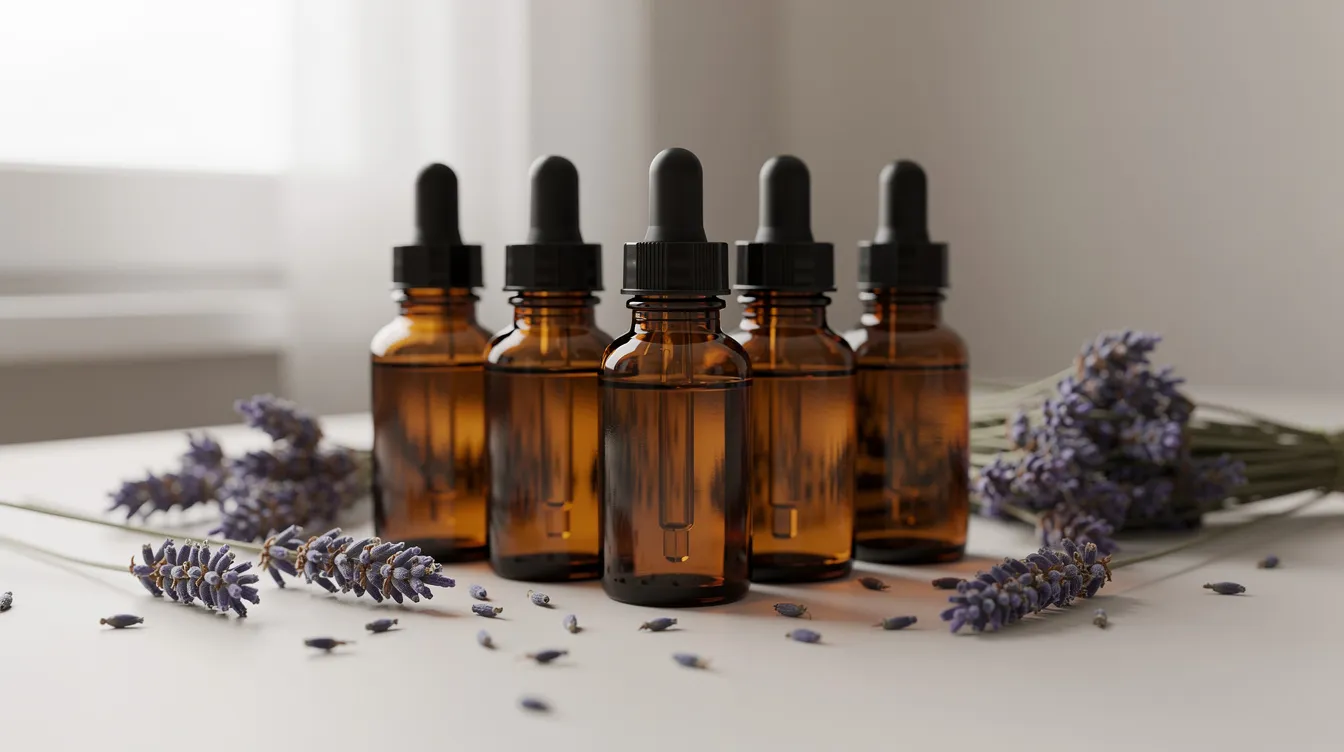
Never ingest lavender oil. Avoid eye areas, mucous membranes, and damaged skin unless guided by a clinician. Store in amber glass bottles (avoid plastic bottles) away from light and heat.
Choosing a Quality Lavender Oil for Skin
Look for these markers of quality:
-
Latin name (Lavandula angustifolia) clearly listed
-
Extraction method: steam distillation
-
Country of origin (France, Bulgaria, or UK preferred)
-
Chemotype and batch numbers for traceability
-
GC-MS testing or robust quality control method documentation
-
Some brands use vibrational spectroscopy for purity verification
Avoid “fragrance oils” or “perfume oils”—these are often synthetic and unsuitable for therapeutic skin applications. Quality lavender oil is good for skin and pairs well with natural body care products; synthetic alternatives may cause more harm than benefit.
Patch Testing and Dilution Guidelines
Patch test method:
-
Dilute 1 drop lavender oil in 2 teaspoons carrier oil (approximately 0.5%)
-
Apply a small amount to inner forearm
-
Leave exposed and observe for 24-48 hours
-
Watch for redness, itching, burning, or hives
If you experience irritation or develop an allergic reaction, discontinue use. People with fragrance allergies, asthma, or very sensitive skin should consult a doctor before using any essential oil.
Step-by-Step Ways to Use Lavender Oil in Your Skincare Routine
These practical methods help incorporate lavender oil into daily or weekly routines. All recipes assume high-quality, pure lavender essential oil. Adjust concentrations to suit your personal sensitivity. Water-based products like toners should be stored refrigerated and used within 1-2 weeks.
Lavender Facial Toner for Acne-Prone and Oily Skin
Combine 2-3 drops lavender oil with a quarter cup (50-100 ml) alcohol-free witch hazel in a glass spray bottle. Shake well, apply to cotton pads, then gently pat over cleansed face—avoiding eyes and lips. Use once daily initially; increase frequency only if tolerated. Sensitive users should start with 1 drop per 100 ml. This facial toner helps reduce redness and keep pores clearer without harsh chemicals.
Lavender-Infused Facial Oil for Nighttime Use
Mix 1 drop lavender oil into 1-2 teaspoons non comedogenic carrier oil like jojoba or squalane. After cleansing and water-based serums, gently massage a few drops into slightly damp skin. This calms the nervous system, supports barrier repair, and may promote relaxation before sleep. Use 2-3 nights weekly. Those using retinoids or acids should patch test first—avoid essential oils on the same nights to minimise irritation.
Soothing Body Oil for Dry, Itchy, or Eczema-Prone Skin
Blend 4-6 drops lavender oil into 2 tablespoons sweet almond or oat oil. Apply to damp skin immediately after a lukewarm shower, focusing on arms, legs, and torso. This helps lock in moisture and soothe end-of-day irritation. Limit initial use to once daily. Avoid hot showers and harsh soaps when treating compromised skin—gentle handling and goat milk soap as a mild cleanser support the healing potential of your routine.
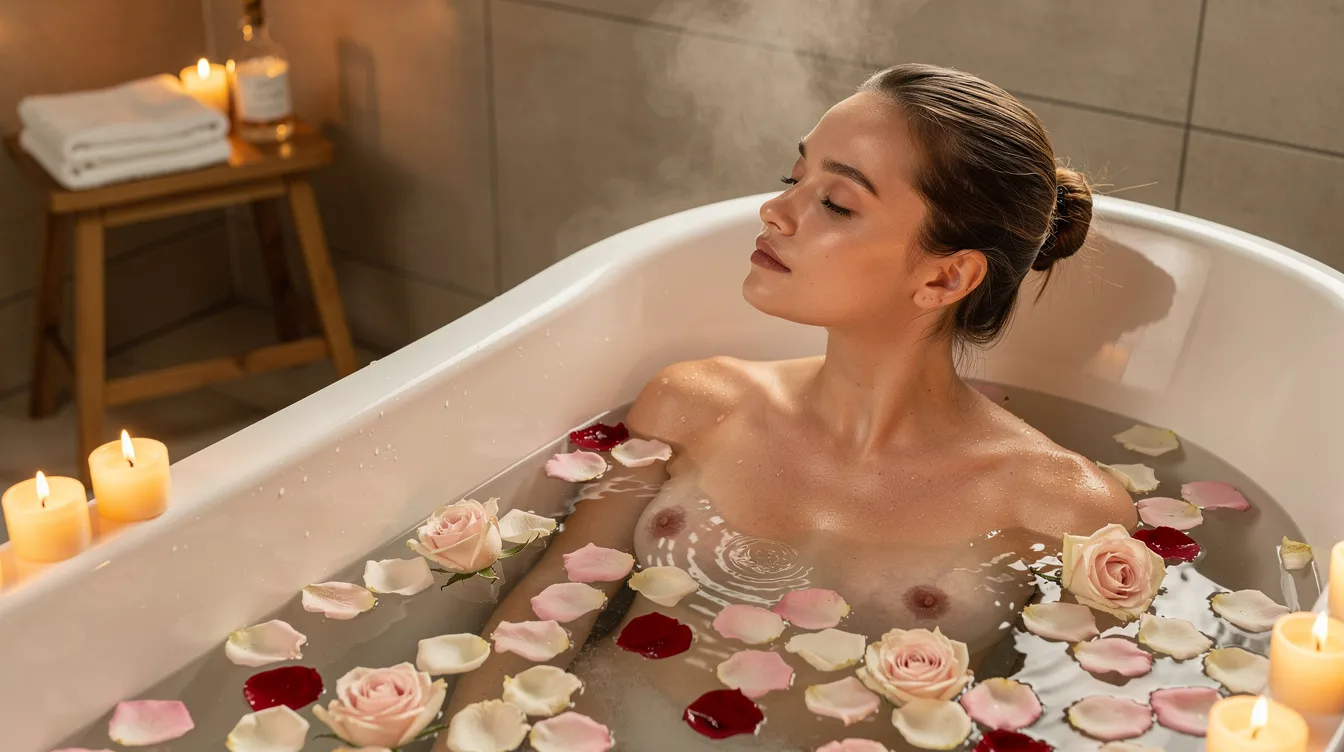
Lavender Bath Soak for Body and Mind Relaxation
Combine 4-8 drops lavender oil with a tablespoon of carrier oil or unscented bath base before adding to warm bathwater. Dispersing first prevents concentrated droplets from contacting skin directly. A 15-20 minute soak can relax muscles, support better sleep, and offer beauty benefits for overall skin tone. Avoid submerging your face if you have facial sensitivity. Rise slowly to prevent dizziness.
Scalp and Hair Massage for Skin-Adjacent Benefits
Mix 3-4 drops lavender oil in 2 tablespoons jojoba or coconut oil. Gently massage into scalp for 5-10 minutes, leave for 20-30 minutes, then shampoo thoroughly. This supports scalp comfort and may indirectly benefit hair follicles by keeping scalp skin healthy. Some research suggests hair growth promoting effects, though evidence for significant hair growth or hair loss treatment remains limited. Hair follicle depth and health may improve with consistent care. Use 1-2 times weekly—those with seborrheic dermatitis should consult a dermatologist first.
Risks, Side Effects, and When to Avoid Lavender Oil
“Natural” does not automatically mean “risk-free.” Lavender oil can irritate or sensitise skin in some people, and research shows potential benefits come with potential risks.
Common side effects:
-
Redness, itchiness, or burning
-
Contact dermatitis
-
Headaches or nausea (from inhalation)
Groups requiring extra caution:
-
Pregnant individuals (especially first trimester)
-
Breastfeeding mothers
-
Young children (thinner skin, isolated hormonal concerns reported)
-
Those with hormone-sensitive conditions
-
People with fragrance allergy history or anxiety disorders triggered by scents
Essential oils aren’t regulated like medicines—quality varies significantly. Consult a dermatologist before use if you have chronic skin diseases or take topical medications.
Drug Interactions and Medical Considerations
Lavender’s mild sedative effects may theoretically interact with medications causing drowsiness—sleep aids, anti-anxiety drugs—especially when inhaled extensively or applied to large skin areas. Check with your healthcare provider if you’re on multiple medications.
Those with asthma or respiratory sensitivities may react to lavender vapour. Introduce carefully in well-ventilated spaces. Never use lavender oil as a positive effect stand-alone treatment for serious infections, deep wounds, or systemic illness. Seek help immediately if you experience widespread rash, breathing difficulties, or swelling—these suggest a serious allergic reaction requiring urgent care.
Frequently Asked Questions
Can I put lavender oil directly on my face without a carrier oil?
Undiluted lavender essential oil is too strong for facial skin and increases irritation risk, potentially damaging human skin cells over time. Always dilute to around 0.5-1% for facial use—that’s 1 drop per 1-2 teaspoons of carrier oil or an unscented moisturiser or eye cream base. Those with damaged or very sensitive skin may need to avoid facial essential oil use entirely.
Is lavender oil safe to use every day on my skin?
Daily use isn’t automatically better. Frequency depends on concentration, skin type, and application area. Start with 2-3 times weekly, increase gradually if tolerated, and watch for dryness or stinging. Taking occasional breaks helps reduce the risk of developing contact sensitivity—your skin benefits from thoughtful, not constant, application.
Can lavender oil lighten dark spots or hyperpigmentation?
While lavender may help achieve healthy looking skin and reduce general redness, limited evidence supports it significantly lightening established dark spots or evening skin tone. For hyperpigmentation, proven ingredients like vitamin C, niacinamide, and azelaic acid deliver stronger results. Use lavender as a soothing addition, not a primary treatment—and always wear daily broad-spectrum sunscreen.
Is lavender oil safe during pregnancy and breastfeeding?
Safety data remains limited. Many experts recommend caution, particularly in the first trimester. Consult your midwife or obstetrician before using lavender oil on large skin areas or in regular aromatherapy. If approved, keep use minimal and well-diluted—avoid concentrated baths or undiluted application.
Can children use lavender oil on their skin?
Children’s skin is thinner and more sensitive. Isolated concerns exist about potential hormonal effects from frequent lavender exposure in prepubescent boys. Avoid essential oils entirely on infants. For older children, use very sparingly, highly diluted, and only with paediatric guidance. Store all essential oil products safely out of reach to prevent accidental ingestion.


