

I’ll admit it—when the TikTok videos about tallow skincare started flooding my feed in 2023, I raised an eyebrow. As a formulator at Ollie Skincare, I’ve seen plenty of trends come and go. But this one stuck around long enough that I had to test it myself. Here’s what I discovered about whipped tallow, why I now reach for it daily, and what you actually need to know before trying it.
Quick Answer: Is Whipped Tallow Lotion Really That Good?
Yes, whipped tallow can be an excellent moisturizer for very dry skin and sensitive skin—when it’s well-formulated and used correctly.
That’s the short version. The beef tallow trend you’ve seen on social media isn’t entirely hype, but it’s not magic either. I’m writing this as someone who works with goat milk soaps, botanical body oils, and herbal salves here at Ollie Skincare in Wisconsin. Adding tallow to our ingredient exploration wasn’t something I did lightly.
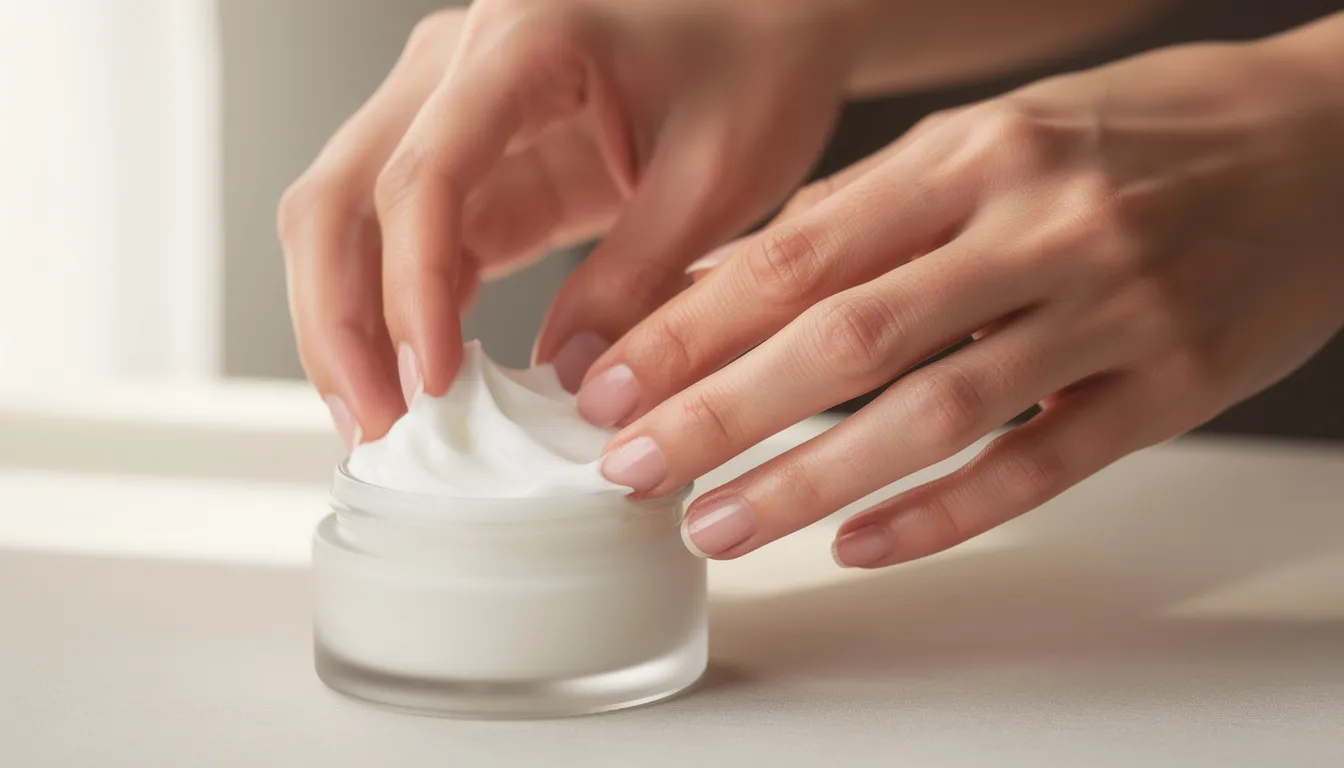
Here’s what whipped tallow actually feels like: rich and balm-like out of the jar, but surprisingly light when properly whipped with air. It melts instantly with body heat and sinks into the skin rather than sitting on top like a greasy film. The texture reminded me of a dense buttercream frosting—in the best possible way.
Who benefits most:
-
Eczema-prone or barrier-damaged skin
-
Severely dry, windburned, or cracked hands and heels
-
People whose legs stay ashy despite regular lotion
-
Anyone struggling through harsh winter months
Who should approach with caution:
-
Very oily or acne prone skin, especially on the face
-
Those in hot, humid climates who already battle excess oil
-
Anyone with beef allergies or alpha-gal syndrome
The rest of this article unpacks the science, the myths, sourcing ethics, and how we at Ollie Skincare use tallow alongside other gentle ingredients like goat milk and herbal infusions.
My Formulator’s Story: From “What Is This TikTok Thing?” to Daily Staple
I wasn’t sure what all the TikTok videos were about. Honestly, I was skeptical. Videos claiming rendered cow fat cured everything from cracked heels to baby eczema felt too good to be true.
But curiosity won. I decided to test tallow myself rather than dismiss it.
My first trials happened in our small Wisconsin lab during September. I rendered small test batches using suet from a local grass fed farm, then compared textures: plain tallow balm versus whipped tallow blended with lightweight oils. I patch-tested on my own chronically dry winter hands.
What surprised me most was the lack of greasiness. When properly whipped, tallow absorbed faster than I expected. My knuckles, usually cracked and bleeding by mid-winter, stayed smooth for hours. The moisture lasted through multiple hand washes. And the sensitive testers in my family—people who react to almost everything—reported no irritation.
That real-world experience shaped how Ollie Skincare now formulates tallow-based skincare products for customers who need something genuinely effective for super dry skin.
What Tallow Actually Is (And How It’s Different From “Just Beef Fat”)
Let’s clear up what we’re actually talking about.
Tallow is rendered fat from ruminant animals, typically cattle, gently heated to remove water, proteins, and impurities until it becomes a stable, creamy solid. The rendering process involves slowly heating raw animal fat to separate the pure fat from water, proteins, and connective tissue. The term “beef tallow” and “tallow” are often used interchangeably online, but the key distinction is this: tallow is purified and shelf-stable. It’s not the same as raw kitchen grease or bacon drippings.
Appearance and texture:
-
Off-white to pale yellow when solid
-
Semi-firm at room temperature
-
Melts on contact with skin warmth
-
Whips into a buttery, airy cream when blended with oils
Tallow has been used for centuries in cooking, skincare, and candle making, making it a versatile product. Historically, tallow powered everything from cooking to candle-making to early skin care formulas. Before petroleum-based ingredients became standard in the mid-20th century, animal fats were the norm in salves and balms. The Tallow Chandlers’ Company in London dates back centuries, processing animal fats for practical everyday use.
At Ollie Skincare, we use tallow strictly in topical skincare—not as a dietary ingredient. Our focus is external benefits: how it feels on the skin, how it protects the moisture barrier, and how it performs in our cold Wisconsin climate.
High-quality tallow for skincare typically comes from grass-fed, pasture-raised animals and is rendered at low temperatures to preserve beneficial compounds. This matters more than most people realize.
Is Tallow Healthy to Eat vs. Healthy for Skin? (Two Very Different Questions)
Tallow as a Dietary Fat
Here’s where confusion explodes online. What cardiologists debate about dietary fats has almost nothing to do with whether tallow works well on your skin.
For eating: Tallow is high in saturated fats and calorically dense. The American Heart Association recommends limiting saturated fat intake for heart health, and organizations focused on heart disease generally advise moderation with animal fats in a balanced diet. That’s a nutrition conversation about dietary fats, cooking oils, and their relationship to cholesterol. Liquid fats such as olive oil, peanut oil, and canola oil are primarily unsaturated fats, while beef tallow is made up primarily of saturated fat. High intake of saturated fat has been linked to increased LDL cholesterol levels, which can raise the risk of cardiovascular disease. While beef tallow is mostly saturated fat, it also contains some monounsaturated and polyunsaturated fats, though in lower amounts compared to oils like olive or avocado oil. Unsaturated fats, including monounsaturated and polyunsaturated fats, are generally considered healthier for heart health and are found in higher concentrations in liquid oils.
Tallow for Skin Use
For skin application: When applied topically, saturated fats behave completely differently. On the skin, they create a protective, semi-occlusive layer that slows water loss and supports the skin barrier. Your skin doesn’t digest fat the way your stomach does.
Ollie Skincare doesn’t make dietary recommendations. We don’t sell food. Our concern is how tallow performs when smoothed onto dry, winter-ravaged skin—not what happens when it’s used for cooking or consumed in your diet.
If you see confusing headlines about tallow being “good” or “bad,” check whether the article is discussing heart health and nutrition information or skincare benefits. These are separate conversations that get tangled together constantly.
Quick reassurance: Using a tallow moisturizer on your hands won’t affect your blood cholesterol any more than using coconut oil or butter on your lips would.
Beef Tallow’s Fatty Acid Profile and Why Skin Seems to Like It
Tallow contains a mix of fatty acids that happens to look remarkably similar to the lipids in human skin and sebum. This is why some people find it so compatible.
|
Fatty Acid Type |
Examples in Tallow |
Role on Skin |
|---|---|---|
|
Saturated fatty acids |
Stearic acid, palmitic acid |
Structure, protective barrier |
|
Monounsaturated fats |
Oleic acid |
Spreadability, penetration |
|
Polyunsaturated fats |
Conjugated linoleic acid (CLA), linoleic acid |
Potential anti-inflammatory support |
|
The saturated fats in tallow provide the waxy solidity that makes it shelf-stable. Oleic acid helps it melt and glide smoothly over skin. And grass fed tallow may contain fat soluble vitamins like A, D, E and K—though at gentle, food-like levels rather than the concentrated amounts in active serums. |
|
|
|
The similarity between tallow’s composition and our skin’s natural lipids is one reason experts explain it absorbs well without leaving the heavy, “sitting on top” feeling of some vegetable oils. Unlike seed oils high in polyunsaturated fats, tallow’s saturated profile means it doesn’t oxidize as quickly and remains stable at room temperature. |
|
|
Some formulators also note that tallow contains small amounts of vitamin E and vitamin C precursors, contributing to its potential benefits for cellular function—though more research is needed to quantify these effects precisely.
How Tallow Compares to Other Oils in Skincare (Plant-Based and Synthetic)
When it comes to choosing the right moisturizer for your skin, the world of oils can feel overwhelming—especially if you have sensitive skin or struggle with very dry skin. At Ollie Skincare, we’re often asked how beef tallow stacks up against popular plant-based and synthetic oils, and why someone might reach for tallow over coconut oil, olive oil, or even the latest seed oil blend.
The truth is, beef tallow brings something unique to the table. Sourced from ruminant animals—ideally grass fed for the richest nutritional profile—tallow contains a blend of fatty acids that closely mirrors the natural oils (sebum) your skin produces. This includes saturated fats for structure, monounsaturated fats like oleic acid for spreadability, and smaller amounts of polyunsaturated fats such as conjugated linoleic acid (CLA) and linoleic acid, which may offer anti-inflammatory support. Tallow also naturally contains fat soluble vitamins A, D, E, and K, which are essential for skin health and cellular function.
Compared to plant-based oils, tallow’s composition is especially beneficial for those with dry skin or a compromised skin barrier.
Coconut Oil vs. Tallow
For example, coconut oil is beloved for its rich texture but is notorious for clogging pores, making it a risky choice for acne prone skin.
Olive Oil vs. Tallow
Olive oil, high in monounsaturated fats, is gentle and hydrating but doesn’t always provide the same long-lasting moisture as tallow, especially for super dry skin.
Canola Oil vs. Tallow
Canola oil—a common vegetable oil—offers polyunsaturated fats but lacks the fat soluble vitamins and skin-mimicking fatty acids found in tallow.
Seed oils, such as sunflower or safflower, have become controversial in both dietary and skincare circles due to their high levels of polyunsaturated fats. While these oils can be part of a balanced diet, experts explain that when applied topically, they may be less stable and more prone to oxidation, which can potentially lead to irritation or inflammation for sensitive skin types. The beef tallow trend has gained traction partly because tallow is more stable at room temperature and less likely to disrupt the skin barrier compared to some seed oils.
One concern with using tallow—or any rich oil—is the potential to clog pores, especially if you have oily or acne prone skin. While tallow is generally well-tolerated by those with dry or sensitive skin, it’s always wise to patch test and use in moderation. More research is needed to fully understand the long-term effects of using tallow in skincare, but its natural, biocompatible profile and the presence of beneficial nutrients like vitamin E and CLA make it a compelling option for those seeking a simple, effective moisturizer.
At Ollie Skincare, we believe the key to reaping the potential benefits of tallow is sourcing it from grass fed, ethically raised animals and blending it with other gentle, fragrance free ingredients. This approach helps maximize hydration, support the skin barrier, and minimize the risk of irritation. For those who prefer plant-based options, we also offer body oils and cleansers featuring lightweight oils that won’t clog pores.
In the end, the best oil for your skin depends on your unique needs, preferences, and values. Whether you’re curious about using tallow, sticking with tried-and-true plant oils, or exploring new trends in skincare products, understanding the differences in fatty acids, vitamins, and potential benefits can help you make informed choices for your skin care routine—and your overall health.
The Real Benefits of Whipped Tallow for Skin (From a Formulator’s View)
Tallow isn’t a miracle cure. Let me be clear about that upfront.
But it does have real, repeatable benefits when formulated well—especially in whipped form. The whipping process transforms solid tallow into something almost cloud-like: lightened, aerated, and able to spread like buttercream rather than a heavy wax.
What I’ve observed in practice:
-
Reduced flakiness on shins and hands within days
-
Calmer-looking redness on sensitive areas
-
Less need to reapply compared to lighter lotions
-
Excellent at sealing in moisture after bathing
Tallow is particularly effective at locking in hydration after a bath or shower. The semi-occlusive layer it creates prevents transepidermal water loss without completely suffocating skin the way petroleum-based products sometimes do.
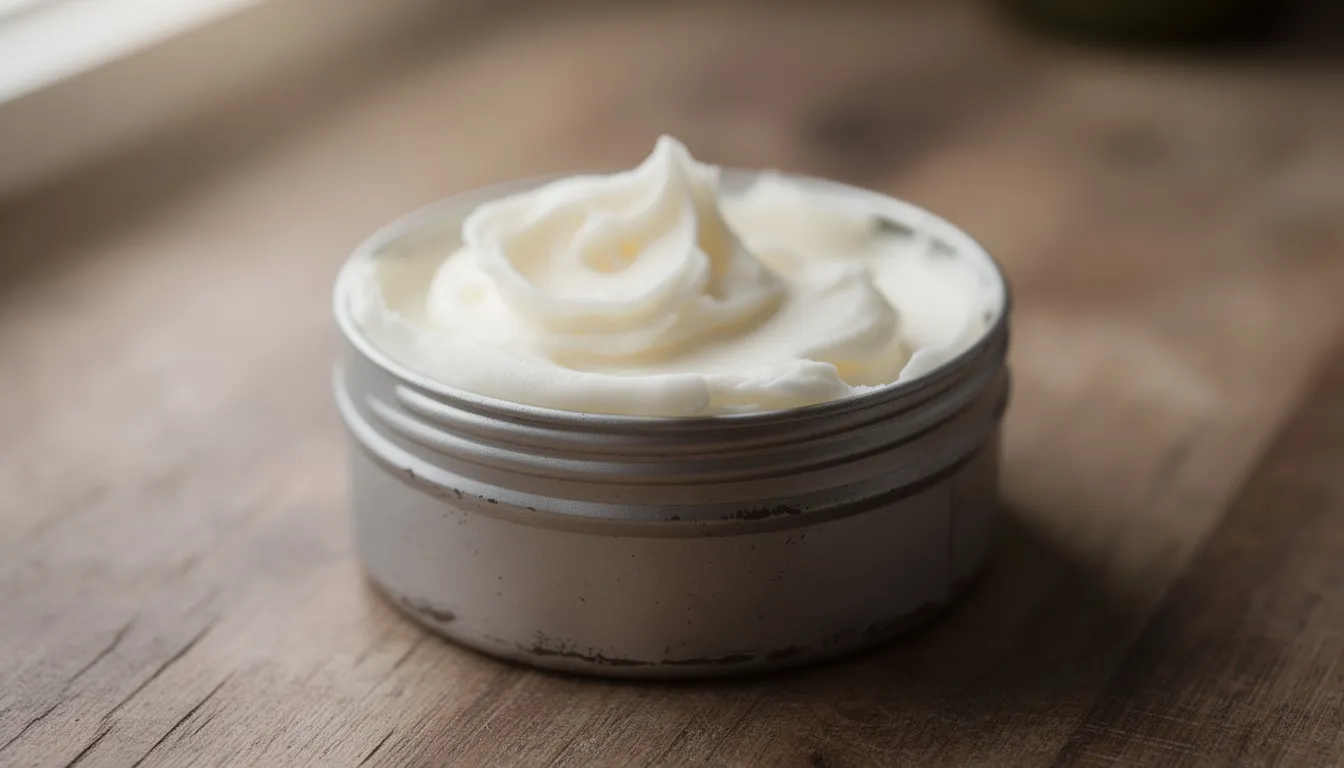
The texture of whipped tallow lotion is genuinely pleasant—nothing like the waxy, heavy feel of an unprocessed tallow block. It melts on contact with skin warmth and leaves a satin finish rather than a greasy residue.
At Ollie Skincare, we focus on short, understandable ingredient lists. Tallow blends well with non-comedogenic plant oils like jojoba or sunflower, soothing botanicals like calendula, and simple waxes like beeswax. The goal is balance: rich enough to be hydrating, light enough to absorb.
Who Tallow Tends to Help Most
Based on my testing and customer feedback, these groups tend to see the most benefit:
-
Very dry skin sufferers: People whose legs stay ashy no matter how much lotion they apply
-
Frequent hand-washers: Healthcare workers, teachers, parents of small children—anyone washing hands 20+ times daily
-
Cracked heels and elbows: The stubborn dry patches that regular lotions barely touch
-
Winter warriors: Those dealing with harsh, dry climates (hello, Wisconsin)
-
Barrier-damaged skin: People recovering from over-exfoliation or harsh actives like high-strength retinoids
Some customers with mild eczema or psoriasis patches report comfort from unscented, occlusive tallow balms. This isn’t a medical treatment—results vary significantly—but the simplicity of tallow appeals to people who react to the long ingredient lists in conventional other moisturizers.
Tallow products are also popular with families seeking “ancestral” or traditional-style skincare for babies and children. The key is choosing very simple, fragrance free formulas without added irritants.
Important note: Anyone with a diagnosed skin condition should consult a dermatologist before replacing prescribed treatments with tallow or any other product.
Who Should Be Cautious with Tallow
One concern I hear frequently: will tallow clog pores?
The honest answer is that it might, for some people. Here’s who should approach carefully:
-
Very oily or acne prone skin on the face: Tallow may be too heavy, especially in humid climates
-
People prone to comedonal acne: Some dermatology sources label tallow potentially comedogenic
-
Those with beef allergies or alpha-gal syndrome: Trace proteins may remain even after rendering
-
Makeup wearers in hot weather: Heavy occlusives under makeup can cause issues
My recommendation: if you want to try tallow on your face, patch test on a small area of your jawline for 5–7 days first. Watch for bumps, redness, or new breakouts.
For most people, tallow is safest and most universally loved as a body moisturizer—legs, arms, hands, heels—rather than a daily face cream. That’s where we tend to position our tallow-based products at Ollie Skincare.
The truth is somewhere between “tallow heals everything” and “tallow will destroy your skin.” Individual variation is enormous. Neither blanket statement fits everyone.
Debunking Common Myths About Tallow Skincare
The online conversation around tallow has become polarized. Some creators claim it heals every skin condition. Others insist it’s terrible for your skin and the planet.
Let’s calmly examine the biggest myths and what current evidence actually suggests.
Myth 1: “Tallow Will Always Clog Your Pores”
This is oversimplified.
Comedogenic ratings come from older, simplified tests that don’t always predict how a finished formula behaves on real human faces. A pure, heavy slab of tallow slathered thickly on an oily T-zone is completely different from a thoughtfully formulated, whipped blend used on dry cheeks or body skin.
Some users with acne and sensitive skin actually report doing well with tallow—especially when the rest of their skincare routine is gentle and non-stripping. The pores concern is valid for some people, but it’s not universal.
Treat tallow as a “try carefully” ingredient for facial use:
-
Patch test first
-
Start with small amounts
-
Pay attention to how your own skin responds
-
Consider body application before face
At Ollie Skincare, we generally position tallow products for body, hands, and dry patches. For breakout-prone facial skin, we offer lighter, non-tallow facial cleansers and body oils.
Myth 2: “If It Doesn’t Have Ceramides, It Can’t Help Your Skin Barrier”
Ceramides are waxy lipids naturally present in skin that help seal in moisture. They’re beneficial ingredients in many skincare products. But they’re not the only way to support your barrier.
Tallow’s mix of saturated fatty acids—stearic and palmitic acid in particular—also plays structural roles in the outer skin layer. These fats can supplement your skin’s natural lipids, helping to reduce water loss even without added ceramides.
Think of tallow as a “supportive fat blend” rather than a replacement for all modern barrier-repair products. The practical outcome is what matters: less flaking, less tightness, better comfort.
Some formulators combine tallow with ceramide-mimicking plant lipids, but at Ollie Skincare, we keep most formulas minimal. Simple ingredients, honest results.
Myth 3: “Tallow Is Automatically Bad for the Environment”
This concern deserves a nuanced response.
Conventional beef production does have a significant environmental footprint—methane emissions, land use, water consumption. That’s real.
However, tallow used in skincare is typically a byproduct of the meat industry. It uses material that would otherwise be discarded rather than driving demand for additional animals. This is fundamentally different from production processes that require new resource extraction.
Environmental impact also depends heavily on farming practices:
-
Regenerative, pasture-based systems can improve soil health
-
Grass-based diets reduce reliance on grain monocultures
-
Small-scale farming often has lower overall footprint than industrial operations
At Ollie Skincare, we source tallow from small Midwest farms that prioritize humane care and grass-based diets. We also use solid, concentrated formulas that allow for minimal, plastic-light packaging—tins and glass jars that align with our eco-friendly goals.
Look for brands that share transparent sourcing details rather than vague “natural” marketing language.
How Ollie Skincare Formulates with Tallow (Texture, Scent, and Sensitivity)
When I first approached using tallow as an ingredient, I was cautious. The potential benefits were interesting, but I needed to see how it performed in real formulas for people with reactive skin.
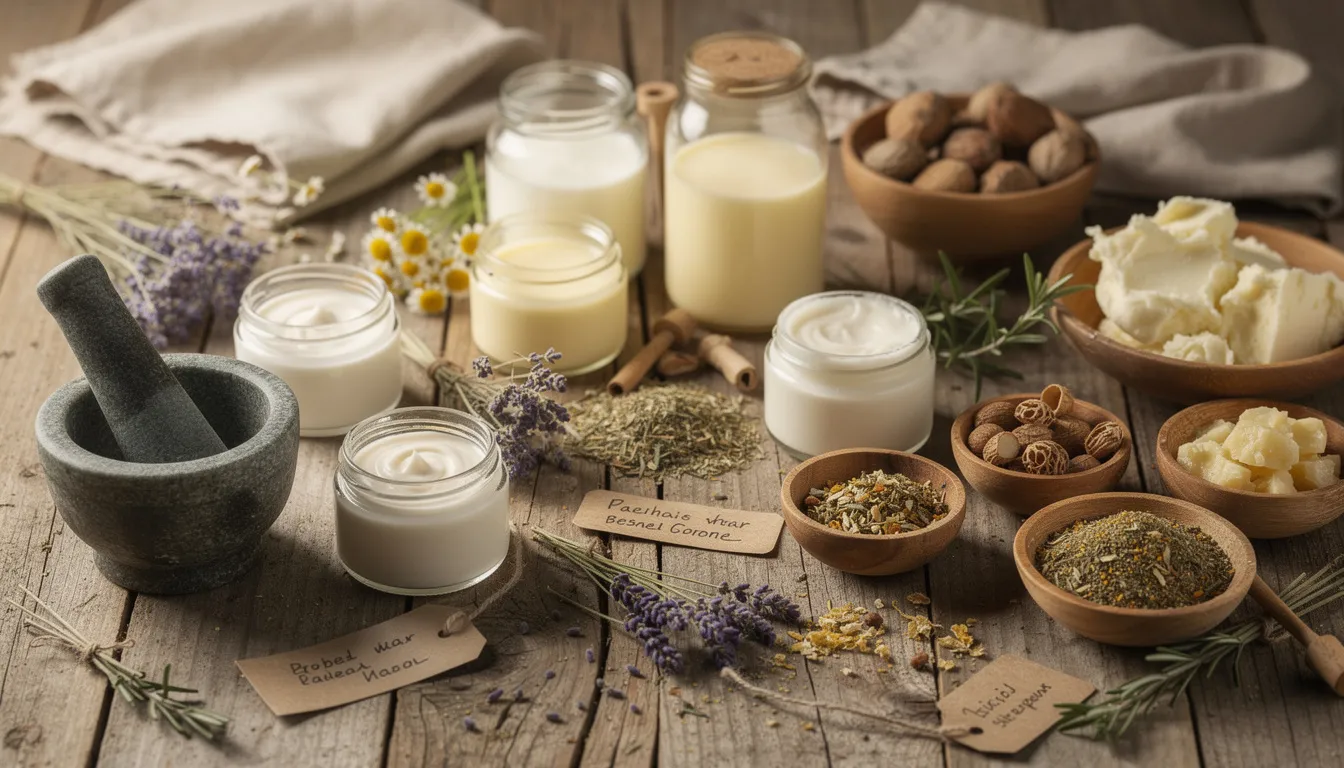
What won me over: tallow blends beautifully with other gentle ingredients. At Ollie Skincare, we combine it with goat milk, lightweight plant oils, and herbal infusions to create balanced textures that never feel heavy or greasy.
The whipping process is crucial. Incorporating air softens the feel, speeds absorption, and makes the formula actually enjoyable to use. Nobody wants to wrestle with a waxy block at 6 AM.
Scent is handled carefully. Well-rendered, low-odor tallow is essential. We use only mild, skin-friendly essential oils—or no fragrance at all—because many of our customers are sensitive to scent. A tallow product that smells aggressively beefy isn’t good enough, no matter how well it moisturizes.
Every batch is small, made right here in Wisconsin. This gives us close control over consistency, hygiene, and ingredient freshness. We use short ingredient lists, avoid harsh preservatives, and favor glass or metal packaging where feasible.
Pairing Tallow with Goat Milk, Oils, and Herbs
Our background in goat milk soap and simple body oil influenced how we approach tallow.
Goat milk brings naturally occurring lactic acid and creamy fats that complement tallow in bar soaps or solid cleansers. The combination creates a gentle, non-stripping wash that leaves skin feeling soft rather than tight.
Plant oils like jojoba, sunflower, or apricot kernel lighten tallow’s feel and improve spreadability. Unlike olive oil or canola oil, these lighter oils absorb quickly without adding greasiness. They’re also less likely to clog pores than heavier oils.
Herbal botanicals like calendula, chamomile, and plantain have centuries of traditional use for irritation and inflammation. Infusing them into tallow balms adds another layer of comfort for reactive skin.
We name specific plants because vague terms like “herbal goodness” don’t tell you anything useful. You deserve to know exactly what you’re putting on your body.
These combinations can be incredibly comforting for dry, sensitive skin—but we don’t make drug-like healing claims. Tallow is a beneficial moisturizer, not a medicine.
Practical Guide: How to Use Whipped Tallow Safely and Effectively
How to Apply Whipped Tallow
Whipped tallow isn’t like a pumpable lotion. It needs to be approached more like a butter or ointment.
Application tips:
-
Use less than you think: A pea- to dime-sized amount covers both hands or both cheeks
-
Apply to damp skin: Right after a shower or misting with water helps lock in hydration rather than just sitting on top
-
Start with your body: Test on legs, elbows, and heels before deciding about facial use
-
Warm it first: Rub between palms to melt before smoothing onto skin
Frequency Guidelines
|
Skin Type |
Recommended Use |
|---|---|
|
Very dry or cracked |
Nightly on problem areas |
|
Normal-dry |
2-3 times per week as needed |
|
Seasonal dryness |
Daily during winter months, occasional in summer |
Storage: Keep whipped tallow products away from direct heat and sunlight. Extreme warmth will melt the whipped texture, leaving you with a liquefied mess.
Patch Testing and Sensitive-Skin Tips
Even with natural ingredients, patch testing matters.
Simple patch test protocol:
-
Apply a small amount to inner forearm or behind ear
-
Repeat once daily for 3–4 days
-
Watch for redness, itching, or bumps
-
No reaction? You’re likely safe to use more widely
For acne-prone users, test along the jawline or on one cheek only for a full week before applying to your entire face.
If you have fragrance sensitivity or eczema:
-
Start with unscented or very lightly scented versions
-
Avoid products with essential oils you haven’t used before
-
Combine tallow with a gentle cleanser (like a goat milk bar or cream cleanser), minimal actives, and sunscreen during the day
If breakouts, burning, or worsening irritation occur, stop using the product. Check in with a dermatologist or healthcare provider if the reaction persists.
Where Tallow Fits (and Doesn’t Fit) in a Modern Skincare Routine
Think of tallow as a rich, occlusive final step—not a replacement for everything else.
Sample evening routine for dry, sensitive skin:
-
Gentle cleanse (goat milk bar or cream cleanser)
-
Optional hydrating toner or aloe mist
-
Any prescribed treatments (retinoids, azelaic acid, etc.)
-
Thin layer of whipped tallow as final step
-
Morning: mineral sunscreen before heading out
Tallow doesn’t replace targeted treatments or dermatologist-recommended medicated creams for specific conditions like acne, rosacea, or severe eczema. It’s a “top coat” to lock in hydration and calm skin after water-based steps.
If you prefer light, gel-like moisturizers during the day, you might still enjoy tallow as a night mask or seasonal product when winter hits. Using tallow doesn’t mean abandoning modern skincare—it’s one tool in a balanced toolkit.
Alternatives and Complements for Those Who Don’t Want Animal Fats
I understand that some readers prefer to avoid animal-derived ingredients entirely. Personal, ethical, or religious reasons are all valid.
Plant-based alternatives with similar rich feel:
-
Shea butter
-
Cocoa butter
-
Mango butter
-
Plant-based waxes (candelilla, carnauba)
Lighter plant oils for hydration without heaviness:
-
Jojoba oil
-
Squalane
-
Sunflower oil
-
Oat oil
Ollie Skincare offers non-tallow products too—goat milk soaps, botanical body oils, and gentle facial cleansers for customers who want to stay fully plant-based or vegetarian.
The goal is healthy, comfortable skin. There’s no single “correct” ingredient for everyone. Respect your own values and find what works for your body.
The Bottom Line: What I Learned About Tallow and Why I Still Reach for It
After months of testing, formulating, and using whipped tallow on my own perpetually dry winter hands, here’s what I know:
Tallow isn’t a miracle cure. The new trend enthusiasm sometimes oversells it. But it is a remarkably reliable, simple, and effective way to comfort very dry skin.
The TikTok hype led me to careful testing rather than blind adoption. My decision to keep tallow in Ollie Skincare formulas came from real-world results—watching cracked knuckles heal, seeing customers with reactive skin finally find something that works, and appreciating how little product is needed to get genuine moisture benefits.
What I personally like about whipped tallow:
-
Transforms cracked winter hands faster than anything else I’ve tried
-
Requires only tiny amounts for full coverage
-
Compatible with minimal-ingredient formulations
-
Works beautifully alongside goat milk and herbal infusions
Honest limitations:
-
May clog pores for some, especially on oily faces
-
Ethical concerns exist for those avoiding animal products
-
Lacks large-scale clinical trials compared to pharmaceutical moisturizers
-
High intake of information online makes it hard to separate truth from marketing
There’s risk in adopting any trend uncritically. There’s also risk in dismissing something beneficial because it sounds unusual.
My advice: listen to both science and your own skin. Test thoughtfully. Choose brands that are transparent about sourcing and formulation rather than hiding behind vague claims.
At Ollie Skincare, we’ll continue exploring traditional ingredients—goat milk, herbs, and yes, tallow—in modern, skin-friendly ways. For people who crave simple, nourishing skincare routines without endless ingredient lists, these time-tested ingredients often deliver what overcomplicated products can’t.
Your skin might love tallow. Or it might not. The only way to know the truth about tallow for your body is to try it carefully, watch how your skin responds, and trust what you observe.


