


Key Takeaways
-
Lye soap is true soap created through saponification, where sodium hydroxide reacts completely with fats and oils. Once properly cured, no active lye remains in the finished bar—only gentle soap and moisturizing glycerin.
-
Traditional recipes relied on simple ingredients like food-grade lard or tallow, water, and lye. Modern artisan versions often add goat milk, plant oils, and butters for extra gentleness without harsh chemicals, synthetic dyes, or heavy fragrances.
-
People with eczema, psoriasis, acne, and dry skin often prefer fragrance-free lye soaps because they skip the detergents and additives found in many commercial body washes.
-
Properly made lye soap from reputable small-batch makers like Ollie Skincare follows precise recipes and controlled curing, ensuring a safe, skin-friendly bar every time.
-
Ollie Skincare uses old-fashioned soap-making methods combined with nourishing goat milk formulations and clean, minimal natural ingredients—perfect for those seeking gentle, effective skincare.
What Is Lye Soap?
Lye soap is what many call pure soap or “true soap”—the result of mixing lye with fats or oils and triggering a chemical reaction known as saponification. This process has been used for centuries to create bars that cleanse effectively without the synthetic detergents found in many modern products.
When people refer to lye, they typically mean sodium hydroxide for solid bar soap or potassium hydroxide for liquid soaps. Both are alkaline compounds that serve as the essential catalyst for turning oils into soap. Without some form of lye, you cannot make soap through traditional methods.
Here’s the reassurance that matters most: when a soap recipe is balanced correctly, and the bar has fully cured (usually 4 to 6 weeks for most handmade soap), the lye is completely consumed during the chemical reaction. What remains is not caustic sodium hydroxide but rather a new compound entirely—soap molecules and naturally occurring glycerin. Think of it like baking a cake. Flour, eggs, and sugar go in, but what comes out is something completely different.
Traditional lye soap recipes often used food-grade lard, tallow, or other rendered animal fats. These were the fats available on homesteads, and they created firm, long-lasting bars with mild lather. Today, many artisan soap makers, including Ollie Skincare, also incorporate plant oils such as olive and coconut, along with goat milk, to create bars specifically designed for sensitive and dry skin.
Traditional Lye Soap vs. Modern Natural Bars
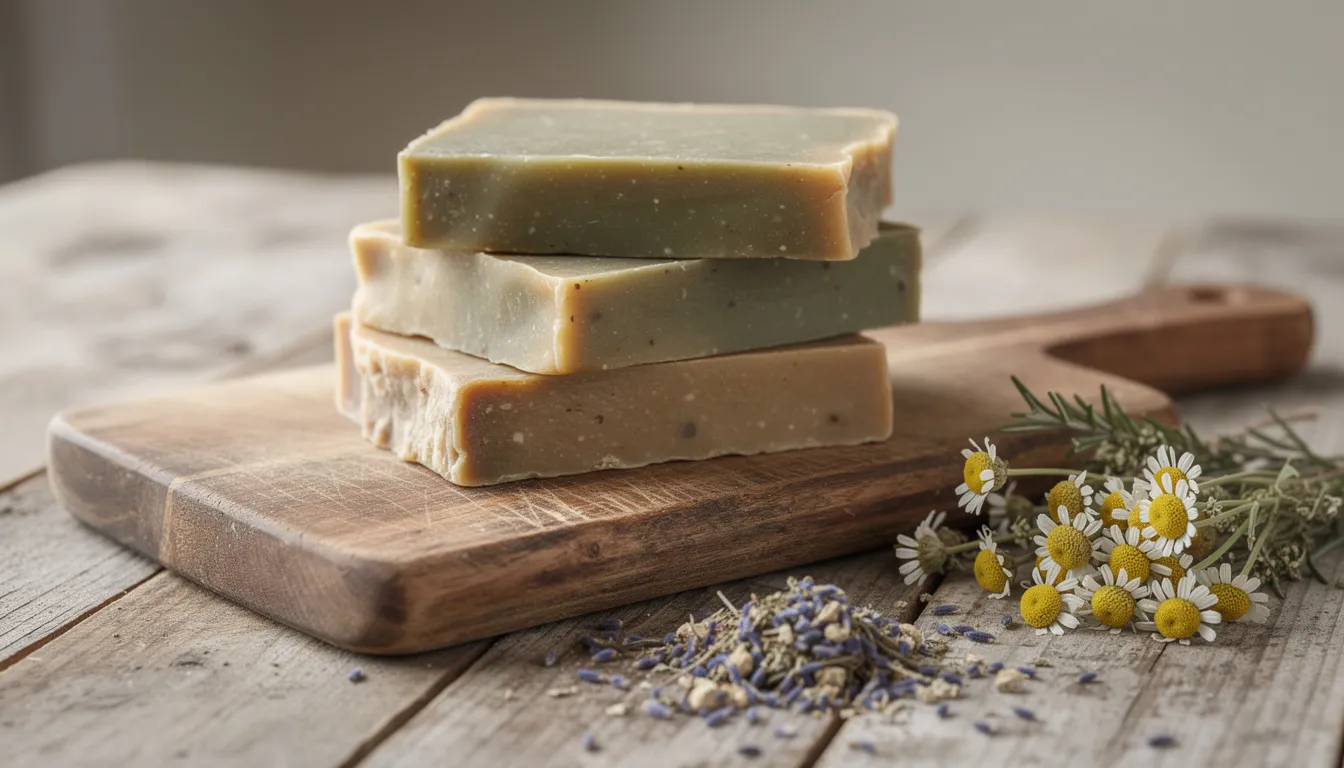
There’s a reason people still talk about grandma’s lye soap with a mix of nostalgia and curiosity. Those old-fashioned bars were straightforward: lard, lye, and water. Three ingredients. No fragrance, no color, no fancy additives. Just a cream-colored bar that could wash everything from faces to dishes to laundry.
Traditional lye soap was the workhorse of everyday life on farms and in small households. Rendered animal fats—often from pigs (lard) or cattle (tallow)—were combined with lye made from wood ash and water. The result was a firm, practical bar with a slight, creamy lather that lasted a long time. The ingredient list was short enough to memorize.
Modern natural soaps build on this foundation while addressing contemporary preferences. Artisan makers now add ingredients like goat milk for extra creaminess, olive oil for gentleness, coconut oil for bigger bubbles and stronger cleansing, and shea or cocoa butters for added moisturizing properties. These additions change how the bar feels, lathers, and treats skin—but the core saponification process remains identical to what your grandmother would recognize.
One critical difference between handmade lye soap and many commercial “soap” bars involves glycerin. During saponification, glycerin forms naturally as a byproduct. This humectant helps skin retain moisture. Large commercial manufacturers often extract this glycerin for sale separately, leaving behind a drier bar. Artisan soap makers typically leave the glycerin right where it belongs—in your soap.
Ollie Skincare’s goat milk soaps are essentially cousins of those old-fashioned lye bars. They’re still made through saponification and still rely on high-quality fats and oils, but they’re formulated specifically for people with sensitive, dry, or compromised skin. The goat milk adds vitamins, natural fats, and a gentle lactic acid that many find soothing rather than irritating.
Benefits of Lye Soap for Sensitive and Troubled Skin
Well-formulated lye soap can be remarkably gentle, often gentler than the synthetic body washes lining store shelves. For people managing eczema, psoriasis, acne, or itchy winter skin, a simple bar made with quality ingredients may offer relief that complex formulas cannot.
Deep but non-stripping cleansing is where great soap shines. Real soap, combined with water, effectively lifts sweat, excess oil, and environmental dirt from pores without the aggressive action of harsh detergents. The goal is clean skin, not stripped skin. Many people with troubled skin find that switching from detergent-based cleansers to true soap reduces the tight, uncomfortable feeling after washing.
The natural glycerin produced during saponification acts as a humectant, drawing moisture from the air toward your skin. Unlike commercial bars that remove glycerin, properly made handmade soap retains this valuable compound. This built-in moisturizing action helps skin feel softer and less parched after each wash.
Many soap makers practice something called superfatting—deliberately leaving a small percentage of oils unreacted in the finished bar. These excess fats and butters remain in the soap and deposit on the skin during use, providing an extra layer of conditioning. A superfatted bar feels less drying and is less likely to leave skin feeling tight or irritated.
Historically, people reached for old-fashioned lye soap to soothe bug bites, calm poison ivy rashes, and ease the itch of chicken pox spots. While this is comfort care rather than medical treatment, there’s wisdom in the simplicity: a bar without synthetic fragrance, dyes, and other additives is less likely to irritate already-angry skin.
The versatility extends across skin types. Whether you’re dealing with dry skin in cold months, managing acne-prone areas, or have a reactive, sensitive complexion, a well-made fragrance-free lye soap can serve as a gentle daily cleanser without adding to your skin’s burden.
Safety: Is Lye Soap Safe to Use?
Let’s address the concern directly: properly made and fully cured lye soap is safe for external use on the face and body. It should not contain active lye and will not burn or damage healthy skin. The transformation during saponification is complete—what remains is soap, not caustic chemicals.
The confusion comes from conflating raw lye with finished soap. Sodium hydroxide in its pure form is indeed dangerous. It’s highly caustic and can cause severe chemical burns on contact with skin or eyes. Anyone making their own soap at home must wear gloves and eye protection and work carefully. But this has nothing to do with using a bar of finished soap.
Think of it this way: chlorine gas is toxic, but table salt (which contains chlorine atoms) is safe to eat. The chemical reaction transforms the substance into something entirely new. The same principle applies to lye soap. The sodium hydroxide that went into the pot has been completely broken up and combined with fat molecules to form soap. You cannot “un-bake” a cake, and you cannot extract raw lye from properly made soap.
Buying from reputable, small-batch makers who follow precise recipes and proper cure times dramatically reduces any risk of encountering a harsh, lye-heavy bar. Brands like Ollie Skincare test formulations carefully, use accurate measurements, and allow sufficient curing time to ensure every bar is gentle and skin-friendly.
A few practical notes: Lye soap is for external use only. Avoid getting it in your eyes or on mucous membranes. If you experience persistent irritation from any skincare product, discontinue use. Keep solid bars away from small children who might be tempted to chew or swallow them.
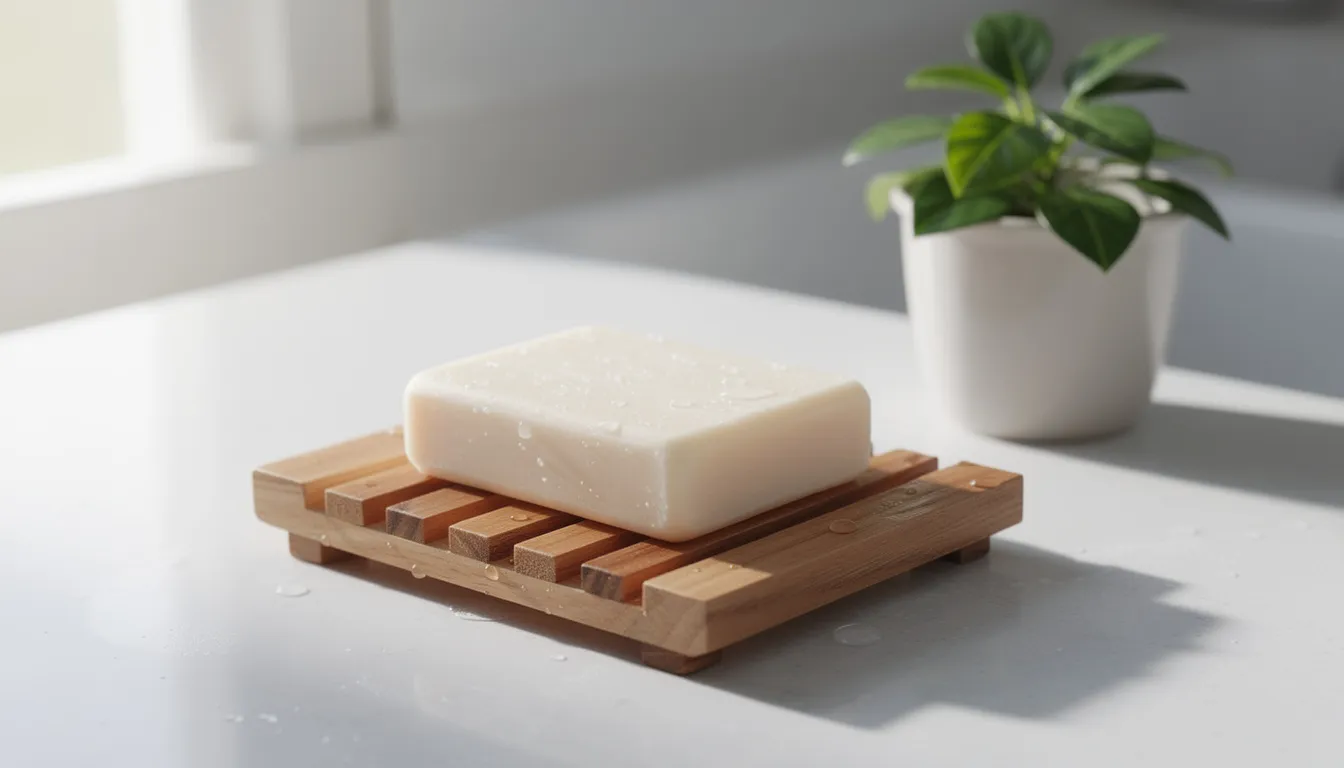
Regarding value and longevity, a dense five to six-ounce bar typically lasts about a month with proper drying between uses. Storing your bar on a well-draining soap dish extends its life significantly and prevents that mushy, wasted texture that happens when soap sits in water.
Key Ingredients in Lye Soap (and How They Affect Skin)
The specific fats, liquids, and additives in a soap recipe determine everything about the finished bar—how hard it is, how much lather it produces, and how it feels on skin. Understanding these ingredients helps you choose a bar that matches your needs.
Lard and Tallow
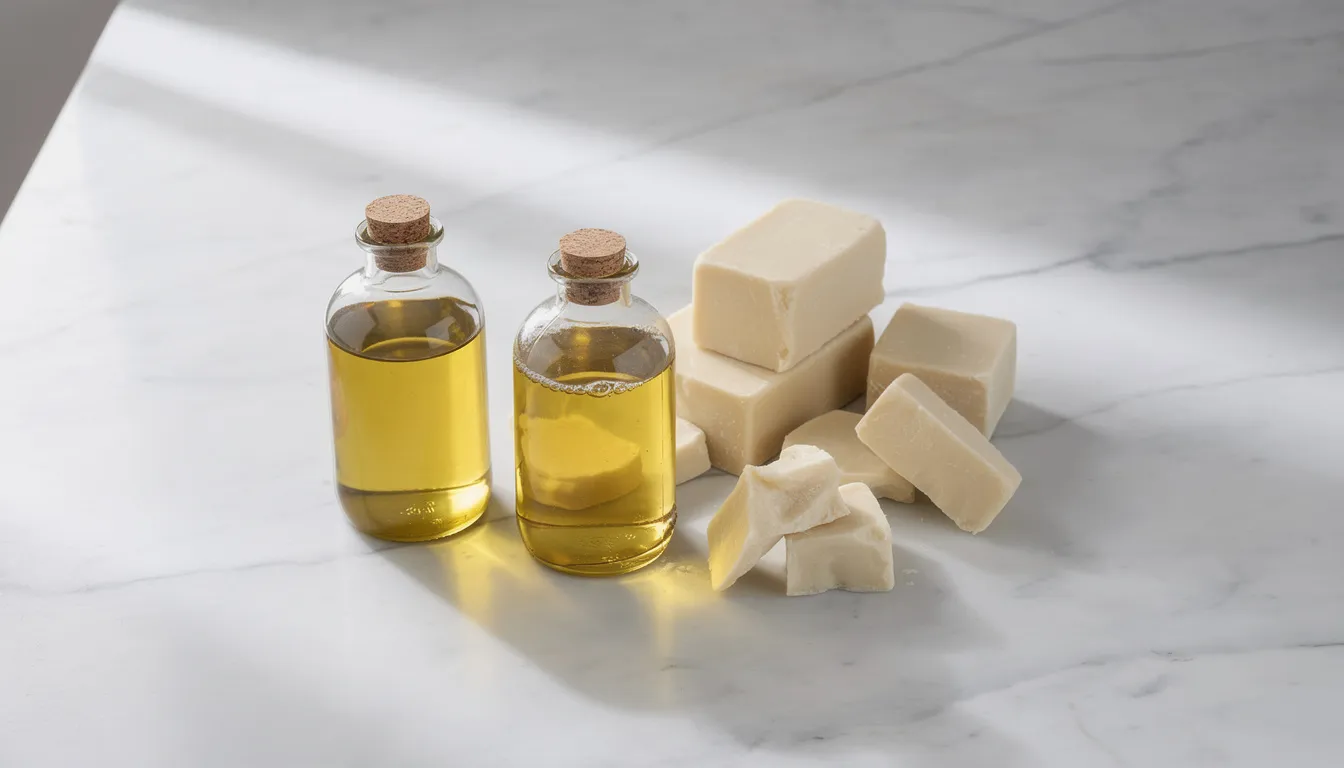
These animal fats were the backbone of traditional soap making for good reason. Food-grade lard (from pigs) and tallow (from cattle) make firm bars that last a long time on the soap dish. Their lather is slight and creamy rather than big and bubbly, but it’s effective and gentle. Historically, these fats were simply what homesteaders had available, and they remain excellent soap-making ingredients today.
Plant Oils
Modern soap makers often incorporate plant-based oils to adjust bar properties. Olive oil produces an exceptionally gentle, conditioning bar usually recommended for dry or mature skin. Coconut oil enhances cleansing action and creates bigger, fluffier suds. Sustainable palm oil or tallow adds hardness, helping bars last longer without becoming mushy.
Goat Milk
Goat milk has become a popular modern addition to lye soap, and for good reason. It’s naturally high in fats, vitamins A and E, and lactic acid, which gently exfoliates and supports skin turnover. Goat milk soaps produce a rich, velvety lather that many people with sensitive or dry skin find noticeably less irritating than water-based formulas.
Ollie Skincare focuses on keeping ingredient lists short and easy to read. You’ll find oils, goat milk, lye (fully saponified, of course), and carefully chosen botanicals—no synthetic dyes, harsh detergents, or heavy synthetic fragrances that can irritate reactive skin.
Optional Extras
Some lye soaps include ground herbs or oatmeal for mild exfoliation, clays like kaolin or bentonite for oil absorption, or essential oils for a light natural scent. These additions can enhance a bar’s appeal, but if you have ultra-sensitive skin or a history of fragrance reactions, a completely unscented, additive-free bar is often the safest choice.
How Lye Soap Is Made (Home vs. Small-Batch Artisan)
Understanding how soap is made helps demystify the process and explains why buying from experienced makers offers advantages over attempting your first batch at home.
The Cold Process Method
Most artisan soap makers use the cold process method. It begins with melting fats and oils, then preparing a lye solution by carefully mixing sodium hydroxide into water (always lye into water, never the reverse—this prevents dangerous volcanic reactions). Once both mixtures cool to the appropriate temperatures, they’re combined and blended until they reach “trace,” the point at which the batter thickens enough to leave a visible trail when dripped onto the surface.
The mixture is poured into molds and left to saponify for several hours to a couple of days. Then the soap is unmolded, cut into bars, and set aside to cure.
Safety for Home Makers
If you want to make soap at home, safety is non-negotiable. Always add lye to water in a well-ventilated area. Use stainless steel or heavy plastic equipment—certain metals react dangerously with sodium hydroxide. Wear eye protection and chemical-resistant gloves. Keep vinegar nearby (it won’t neutralize a severe lye burn, but it can help rinse away splashes). Work slowly and carefully.
Traditional homesteaders once made lye from wood ash soaked in water, creating potash that worked but varied wildly in strength. Modern soap makers use standardized sodium hydroxide, digital scales, and online lye calculators to achieve consistent, predictable results.
The Cure Period
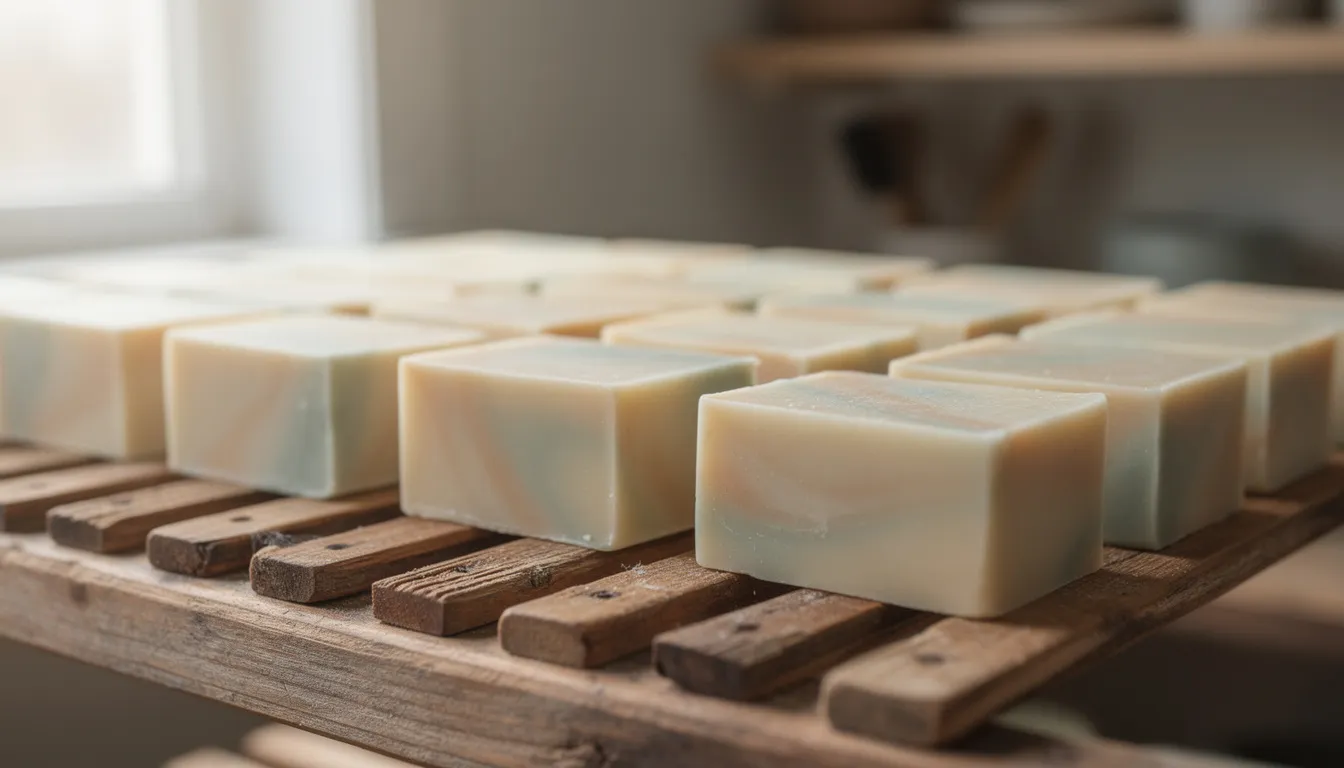
After unmolding, bars need to cure for at least four weeks, though six weeks or longer produces an even better bar. During this time, excess water evaporates, the bar hardens, and the pH gradually becomes more skin-friendly. Skipping or shortening this cure risks creating a bar that’s too soft, too harsh, or doesn’t last.
Artisan Consistency
The difference between home soap making and professional small-batch production comes down to consistency and testing. Ollie Skincare uses carefully developed formulas, food-grade ingredients, and controlled curing environments. Each batch is predictable. For customers who want the benefits of lye soap without handling caustic raw materials or risking a failed batch, buying from an experienced artisan maker offers peace of mind.
How to Use Lye Soap for Face, Body, and More
One of the genuine pleasures of a good bar of soap is its versatility. A single bar can handle face washing, body cleansing, shaving, and even non-cosmetic tasks like spot-cleaning clothes. Here’s how to get the most from your soap.
Face Washing
For facial cleansing, wet your hands and the bar, then work up a creamy lather in your palms rather than rubbing the bar directly on your face. This is especially important for very sensitive skin. Massage the lather gently over your face, avoiding the eye area, then rinse thoroughly with lukewarm water. If you have dry or mature skin, follow with a simple facial oil to lock in moisture.
Body Cleansing
In the shower, lather the bar in your hands or on a soft cloth rather than using rough loofahs, particularly if you have eczema or psoriasis-prone areas. Rough exfoliation can aggravate already irritated skin. After rinsing, pat your body dry instead of rubbing, and apply a body oil or salve while your skin is still slightly damp to seal in hydration.
Shaving
A well-made lye soap bar can replace shaving cream entirely. Work up a thick, stable lather using a shaving brush or your hands, apply generously to the area, and shave as usual. Reapply lather as needed. The natural glycerin in handmade soap provides excellent glide, and many people find it less irritating than chemical-laden shaving foams.
Hair Washing
Some people use old-fashioned lye soap as a shampoo bar with good results. However, this doesn’t work for everyone. Bar soap can leave buildup on certain hair types, especially in hard water areas. If you want to try it, do a patch test first and follow with a diluted apple cider vinegar rinse to help restore pH and remove any residue.
Laundry and Spot Cleaning
For stubborn stains on clothes—grass, food, oil—you can rub the bar directly on the dampened stain before tossing the garment in the wash. Some people grate lye soap into flakes for general laundry use, though this is a bonus application rather than Ollie Skincare’s primary focus.
Choosing a Gentle Lye Soap for Sensitive Skin
Not all lye soaps are created equal, and choosing wisely matters when you have reactive or compromised skin. Here’s how to find a bar that works for you.
Start by reading labels carefully. Look for short ingredient lists with recognizable fats and oils. If you can’t pronounce half the ingredients or the list runs longer than a paragraph, that bar may contain more additives than you want. A good soap should contain oils, a saponifying agent (often listed as “sodium hydroxide” or described as “saponified oils”), and perhaps a few simple additions, such as goat milk or botanical extracts.
If you have eczema, psoriasis, rosacea, or a history of contact dermatitis, choose unscented or very lightly scented bars. Fragrance—even natural essential oils—can irritate reactive skin. Brightly colored bars with long chemical names on the label are worth avoiding if your goal is the most hypoallergenic experience possible.
Certain base ingredients tend to be well-tolerated by dry and mature skin. Goat milk bars offer natural fats and gentle lactic acid. Tallow and lard bases create conditioning, long-lasting bars. High-olive-oil formulations (sometimes called Castile soap) are famously gentle, though they can take longer to cure and may produce less lather.
Ollie Skincare’s goat milk soaps and simple body oils offer an easy, low-fragrance, low-clutter routine for people who want effective skincare without complicated regimens. A gentle bar, a nourishing oil, and a targeted herbal salve, where needed, cover most daily needs without overwhelming sensitive systems.
Before committing to any new skincare product, perform a 24-hour patch test on the inside of your arm. Apply a small amount of lather, let it sit briefly, rinse, and wait. If no irritation develops, you can proceed with broader use. This simple step can save considerable discomfort for anyone with a history of allergic reactions.
How Lye Soap Fits into a Clean, Low-Waste Routine
Beyond skin benefits, lye soap aligns beautifully with eco-conscious values and a desire to simplify the bathroom cabinet.
A single well-made bar can replace multiple plastic-bottled products. Body wash, face wash, hand soap, and sometimes shaving cream can all be combined into one versatile bar. This consolidation means less plastic waste, fewer products cluttering your shower, and simpler shopping trips.
Traditional lye soaps typically arrive in minimal packaging—paper bands, cardboard boxes, or sometimes just a simple label. Compare this to the pump bottles, squeeze tubes, and multilayer plastic containers that house most liquid cleansers. When the soap is gone, you’re left with a tiny sliver that dissolves completely, rather than an empty bottle heading to landfill (or, optimistically, recycling).
Ollie Skincare’s packaging choices reflect this low-waste philosophy. Recyclable materials, minimal plastics, and simple shipping supplies mean your purchase supports sustainable practices from production to delivery.
True soap is also gentler on waterways than many synthetic alternatives. Without phosphates, sulfates, and a long list of artificial additives, what goes down the drain after you wash is simpler and easier for ecosystems to process. This isn’t a reason to be careless, but it’s a worthwhile consideration for environmentally minded consumers.
To extend your bar's life and further reduce consumption, store it on a draining soap dish between uses. Allowing the bar to dry completely prevents the soft, mushy deterioration that wastes soap. A bar that stays dry between showers can easily last several weeks longer than one sitting in a puddle.
FAQ
Does lye soap still contain lye when I use it?
In a properly formulated soap recipe, sodium hydroxide is entirely consumed during saponification. What remains after curing is soap, glycerin, and any superfatted oils—not active lye. Properly cured bars from reputable makers are not caustic and will not burn healthy skin. If any soap stings persistently, feels unusually slimy and harsh, or causes visible redness after a couple of uses, set it aside immediately.
Is lye soap okay for children or babies?
Very simple: fragrance-free lye soaps can be gentle enough for many children’s skin. However, infant skin is exceptionally delicate, and parents should consult a pediatrician before changing baby products. For family use, choose the mildest unscented bar available and avoid strong essential oils or exfoliating additives on young skin. Always keep solid soap bars out of reach to prevent children from chewing or swallowing them.
Can lye soap cure eczema, psoriasis, or acne?
Lye soap is not a cure or medical treatment for any skin condition. It is, however, a gentle cleansing option that may reduce irritation caused by synthetic fragrances, dyes, and harsh detergents found in many commercial products. If you’re managing a chronic skin condition, see a dermatologist for proper diagnosis and treatment while using mild soaps as supportive skincare. Many Ollie Skincare customers with chronic dryness or irritation report less stinging and tightness after switching to simple goat milk bars.
How long does a bar of lye soap last?
A dense five to six-ounce bar typically lasts about three to five weeks with daily body use, provided you store it on a well-draining dish between uses. Factors like shower length, water hardness, and whether multiple people share the bar will affect longevity. Consider keeping backup bars on hand—they’ll continue curing and hardening on the shelf, which makes them last even longer once they reach the shower.
What’s the difference between lye soap and “natural” body wash?
True soap is made by combining fats and oils with lye through saponification. Many products marketed as “natural” body washes are actually synthetic detergents (syndets) with added botanical extracts for marketing appeal. Both can be gentle, but lye soap bars avoid sulfates like SLS and SLES and typically contain far fewer total ingredients. Ollie Skincare’s bar soaps are an excellent choice for customers who prefer old-fashioned, minimal-ingredient cleansing over multi-chemical liquid formulas.


